

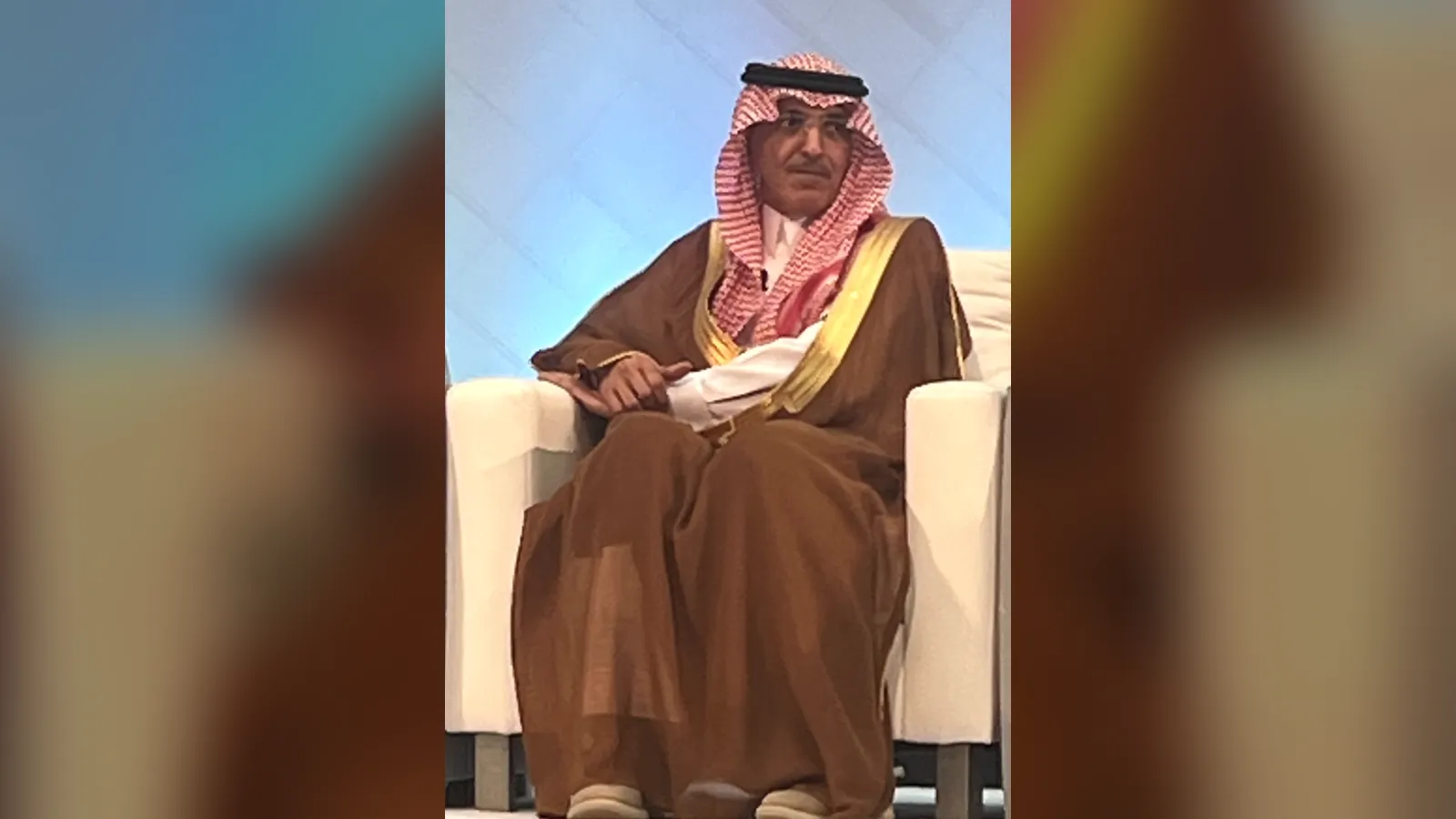
Pakistan has secured a rollover of the $3 billion that Saudi Arabia lent it in April, even as hopes of a separate $10 billion backstop from the United States appear to have faded, Dawn and The Express Tribune reported.
Finance Minister Muhammad Aurangzeb confirmed the extension to journalists at Parliament House on Wednesday. The financing, which Riyadh provided to bridge a gap created by $3.5 billion in repayments to the United Arab Emirates, matured on October 31. “It has been extended and for a reasonable period. You don’t need to worry as to for how long given the kind of strategic relationship we have,” he said. He gave no figure for the new term. The Tribune reported, citing sources, that the extension is for a shorter period than before.
What the minister said about the US facility
Pakistan asked Washington in July for a $10 billion Exchange Stabilisation Support Facility, a liquidity line for the government. Aurangzeb lowered expectations he had raised himself over recent months. “What we asked for back in July and were looking at was the market access. We have got the market access,” he said, pointing to the $3 billion bond Pakistan issued in September against orders worth $6 billion.
“If that materialises, fantastic, it will be a liquidity support facility. Otherwise, we have plans for further Eurobond issuance, Panda bond issuance and rupee-linked dollar-settled bond,” he said. He added that Pakistan would move ahead “with or without” the facility. In his view the more valuable American support is “real financing and real credit” through the US Export-Import Bank and the Development Finance Corporation, which back American investors and exporters in Pakistan. The Tribune noted that the chances of the $10 billion facility materialising had been negligible from the start.
Reserves, bonds and the IMF
Aurangzeb said he had held meetings with 70 to 80 institutional investors during the IMF and World Bank meetings in Bangkok, and that offers were available for five-year and 10-year maturities. He also met his Saudi counterpart, Mohammed Al-Jadaan, on the sidelines. Saudi Arabia has already extended a separate $5 billion facility until 2028, according to Dawn.
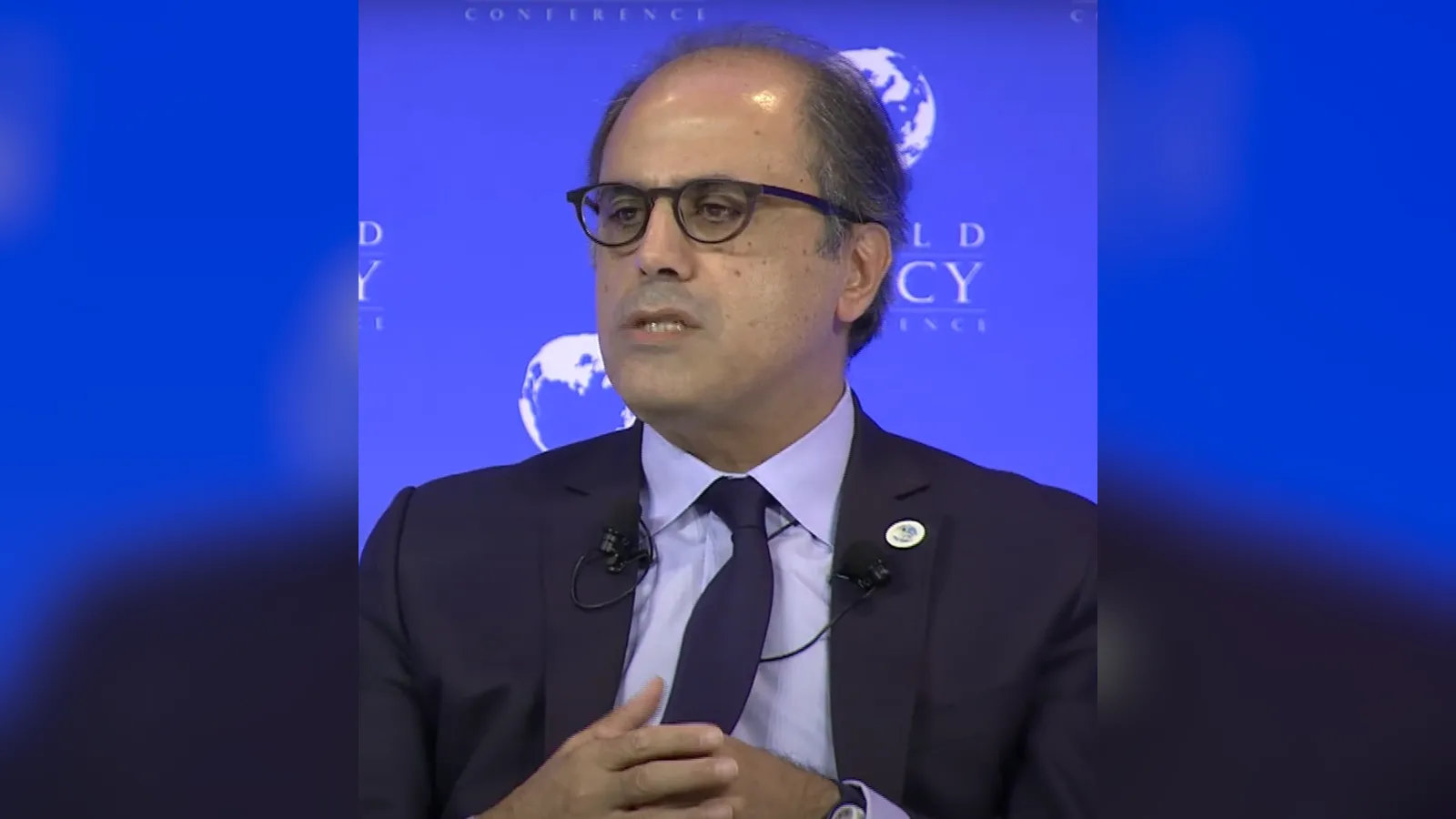
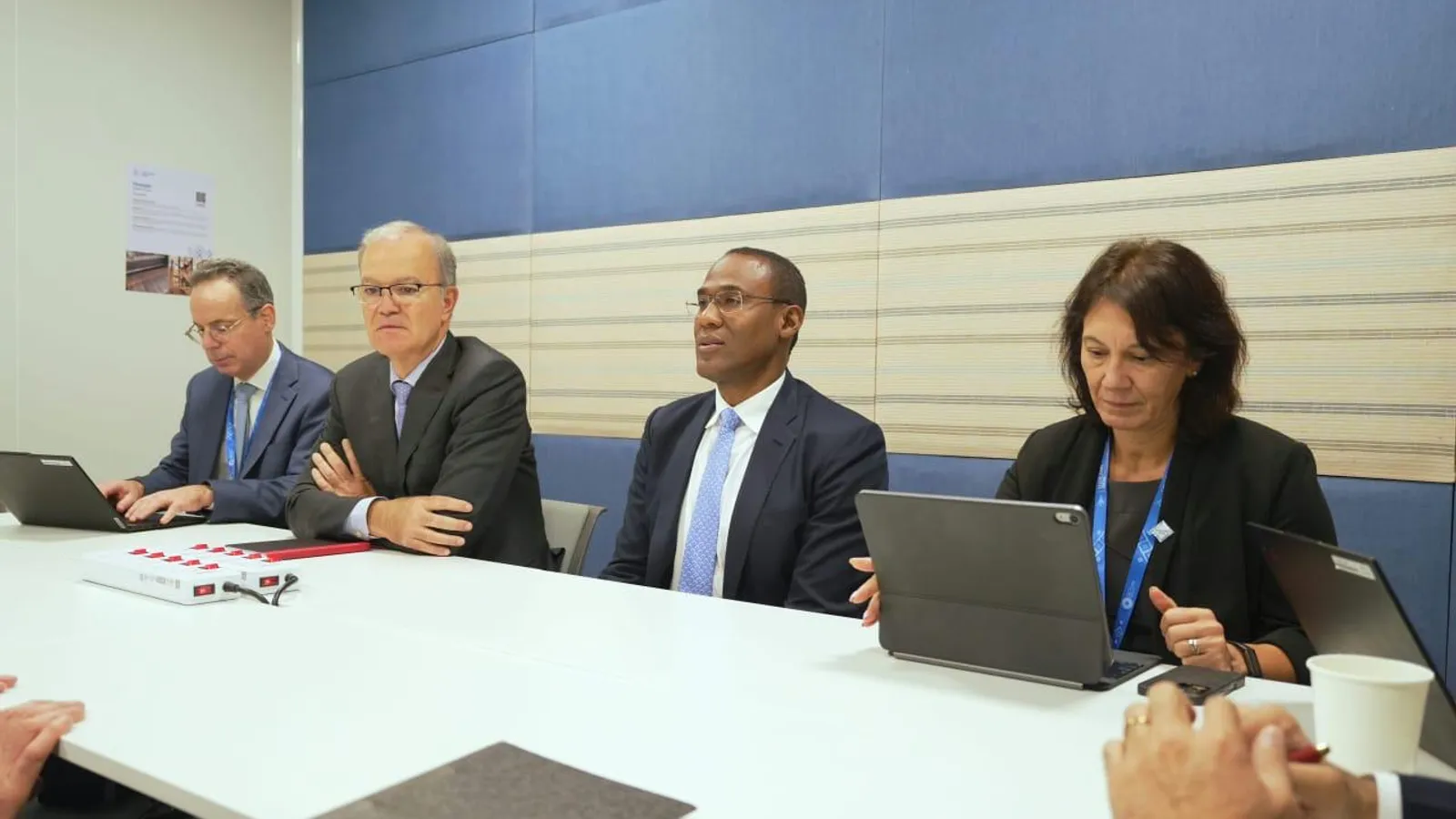
The minister denied that Pakistan had asked Riyadh for additional money. He said foreign exchange reserves, which he put above $21.5 billion, the best level in the country’s history, cover more than three months of imports, and that the aim is four months. The Tribune reported that the IMF board is tentatively due to approve two loan tranches worth $1.2 billion in December.
The debt numbers presented to the Senate
Before speaking to reporters, Aurangzeb and Finance Secretary Imdadullah Bosal briefed the Senate Standing Committee on Finance, chaired by Senator Saleem Mandviwalla. According to Dawn’s account:
- Pakistan is aiming to cut external debt by $4 billion in the current fiscal year and $3.5 billion next year, against $4.5 billion in the last one.
- External debt had been rising by $5 billion to $6 billion a year, from $45 billion in 2014-15 to about $100 billion, but has risen by only about $1 billion a year in the past two years.
- Public debt fell to 68.6 per cent of GDP by the end of June 2026 from 75.1 per cent in 2022-23, with growth slowing to 7.7 per cent, the lowest in 20 years.
- Net financing needs are $11 billion after rollovers, of which $5 billion was repaid in the first four months of the fiscal year. The remaining $6 billion falls due over the next seven months.
- The minister said the current account deficit would stay at or below 1 per cent of GDP this year.
Committee members argued that a stable exchange rate was a key reason debt had grown more slowly, the Tribune reported. Bosal said three consecutive years of primary budget surpluses had also helped.
Background
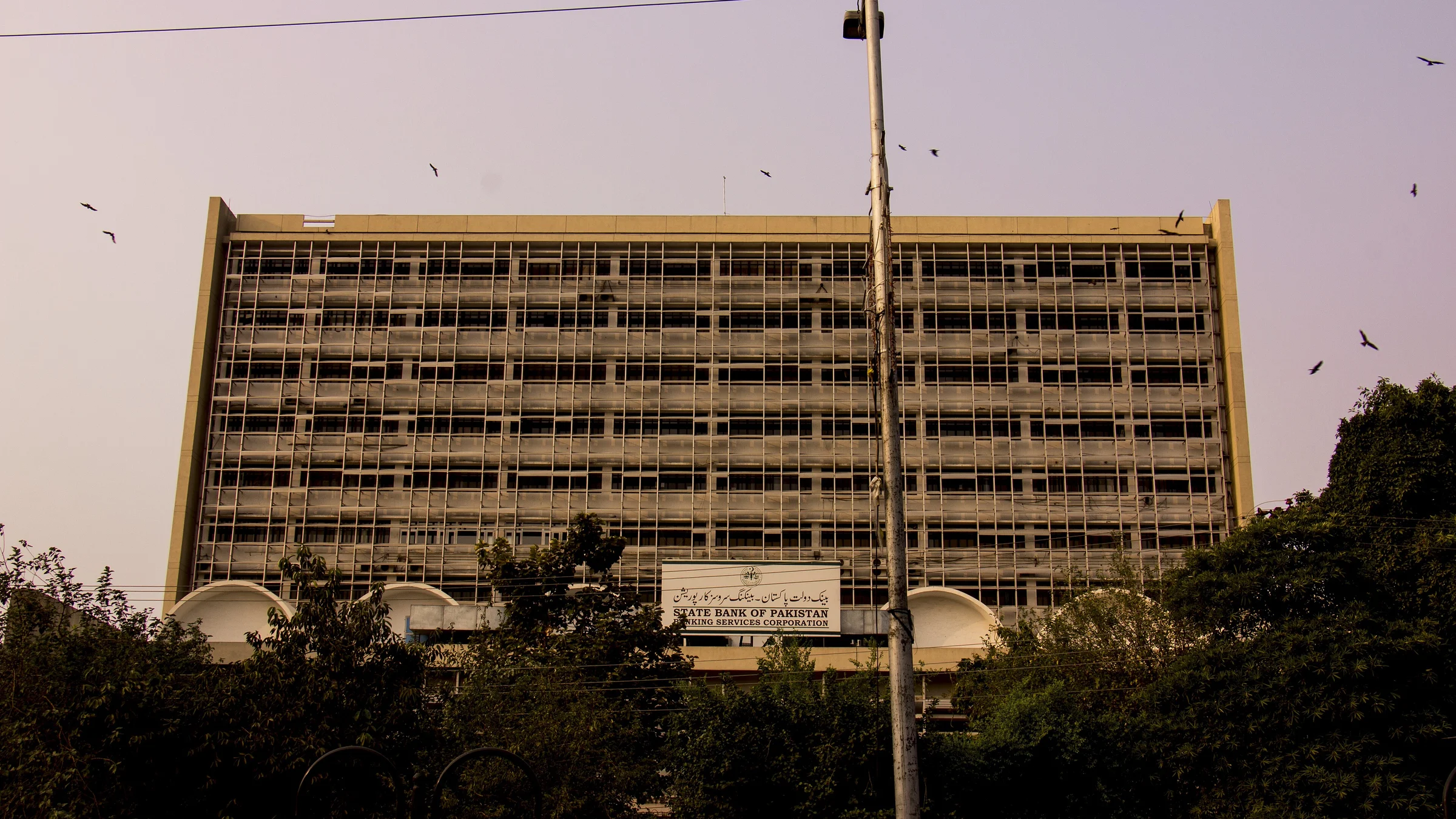
Pakistan has leaned on Saudi Arabia and other friendly states for deposits and rollovers for years, and the arrangement has become a regular feature of its external financing. The Tribune counted $8 billion of short-term Saudi support in total, of which $5 billion has been pushed out to December 2028. The finance minister said the government is trying to avoid “bunching” of repayments in any one year, which is why the latest Eurobond was structured with a five-and-a-half-year maturity.
Why it matters
The rollover removes an immediate repayment problem, but it is a short-term fix. Pakistan still depends on bilateral and commercial creditors rolling over about $10.5 billion this fiscal year, according to the Tribune, so each maturity date is a test. For ordinary people the link is practical: a steady rupee and healthy reserves keep import bills, fuel prices and inflation under control, which we have followed in our reports on the IMF’s push for targeted fuel subsidies and on Pakistan weighing the tokenisation of its Eurobond debt.
What to watch next is the exact length of the Saudi extension, whether the government can issue its planned Panda and rupee-linked bonds on acceptable terms, and whether the IMF board clears the December tranche on schedule.
This article draws on reporting by Dawn and The Express Tribune.
Comments
Comments are reviewed by our editors before they appear. Please keep them civil and on topic. See our terms.
No comments yet. Be the first to share your view.