

Pakistan’s annual consumer inflation eased to 9.6 per cent in October from 10.3pc in September, mainly because perishable food prices slowed, the Pakistan Bureau of Statistics (PBS) said on Monday, Dawn reported.
It is the second month in a row that inflation, as measured by the Consumer Price Index (CPI), has slowed. That reverses the sharp rise in August, when higher food and energy prices pushed the annual rate to 11.1pc from 9.2pc in July.
Rural and urban
- Rural inflation: 9.5pc, down from 10.1pc.
- Urban inflation: 9.8pc, down from 10.5pc.
The October figure was inside the Ministry of Finance’s projection of 9.5pc to 10.5pc for the month. The ministry said easing headline inflation offers some relief and that better crop supplies can help ease food price pressure.
Prices still went up
A lower annual rate does not mean prices fell. Compared with September, prices rose 1.1pc in October. A year earlier, in October 2025, annual inflation was 6.2pc.
The average for July to October was 10.05pc, more than double the 4.79pc over the same four months last year.
Food slowed, other costs did not
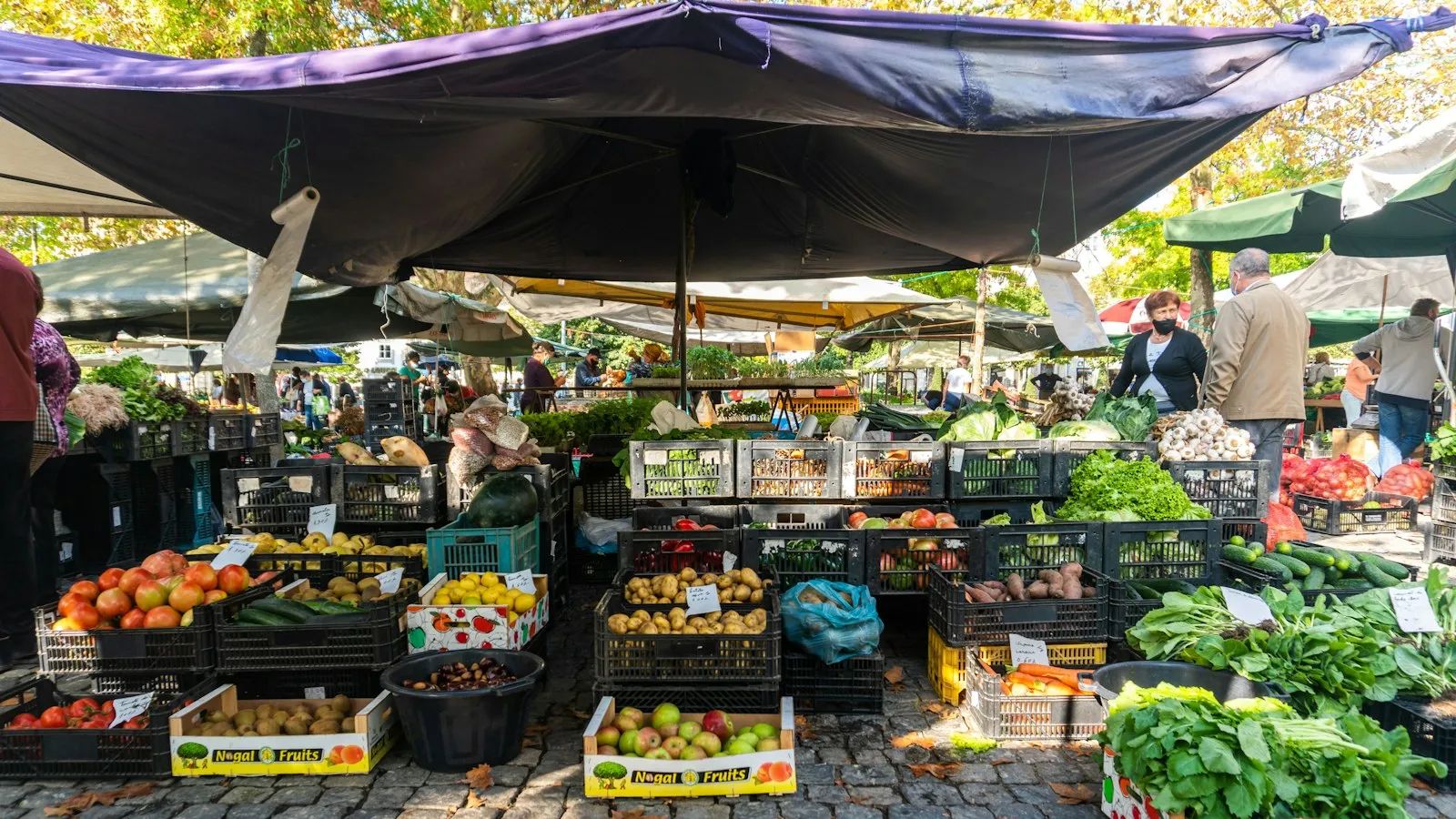
Food was the main reason for the easing:
- Urban food inflation: 7.8pc, from 8.1pc in September.
- Rural food inflation: 7.1pc, from 7.7pc.
Non-food inflation also eased but remained higher than food inflation, and it points to continued pressure on household budgets:
- Urban non-food: 10.6pc, from 11.5pc.
- Rural non-food: 12.3pc, from 13.1pc.
Electricity charges rose 8.5pc from the previous month, and urban transport prices were up 30.39pc, according to the PBS data cited by Dawn. At the national level, transport costs rose 1.79pc during October and were 28.61pc higher than a year earlier. Housing, water, electricity, gas and fuels rose 0.25pc in the month and 11.03pc over the year.
Core inflation
Core inflation, which leaves out volatile food and energy prices, also eased slightly: 7.8pc in urban areas (from 8.6pc) and 7.1pc in rural areas (from 8.1pc).
Background
Pakistan’s inflation has been pushed up by the war around the Gulf, which has raised fuel prices and freight and insurance costs. Weekly figures have been higher than the monthly average: the Sensitive Price Indicator reached 11.32pc in the week to October 29, driven by tomato and diesel prices, and analysts had earlier expected the monthly rate to be about 10pc. On Monday evening the government also cut petrol and diesel prices for November 3.
What we know, and what we don’t
- Known: annual inflation is 9.6pc, and food and core measures both eased.
- Known: transport and electricity remain the main upward pressures.
- Unknown: whether November will continue the slowdown, since the fuel price cut was announced after the October data were compiled.
Why it matters
For ordinary households, an easing annual rate still means prices are about a tenth higher than a year ago, and some of the biggest increases are in transport and electricity, which affect everyone. The finance ministry’s hope for relief rests on food prices, which are more volatile than fuel or power bills.
This article draws on reporting by Dawn.

Comments
Comments are reviewed by our editors before they appear. Please keep them civil and on topic. See our terms.
No comments yet. Be the first to share your view.