
Prime Minister Shehbaz Sharif has ordered that reforms at the Federal Board of Revenue (FBR) be accelerated and warned tax officers that resistance would not be tolerated, as the government moves to gain powers to compulsorily retire non-performing officials.
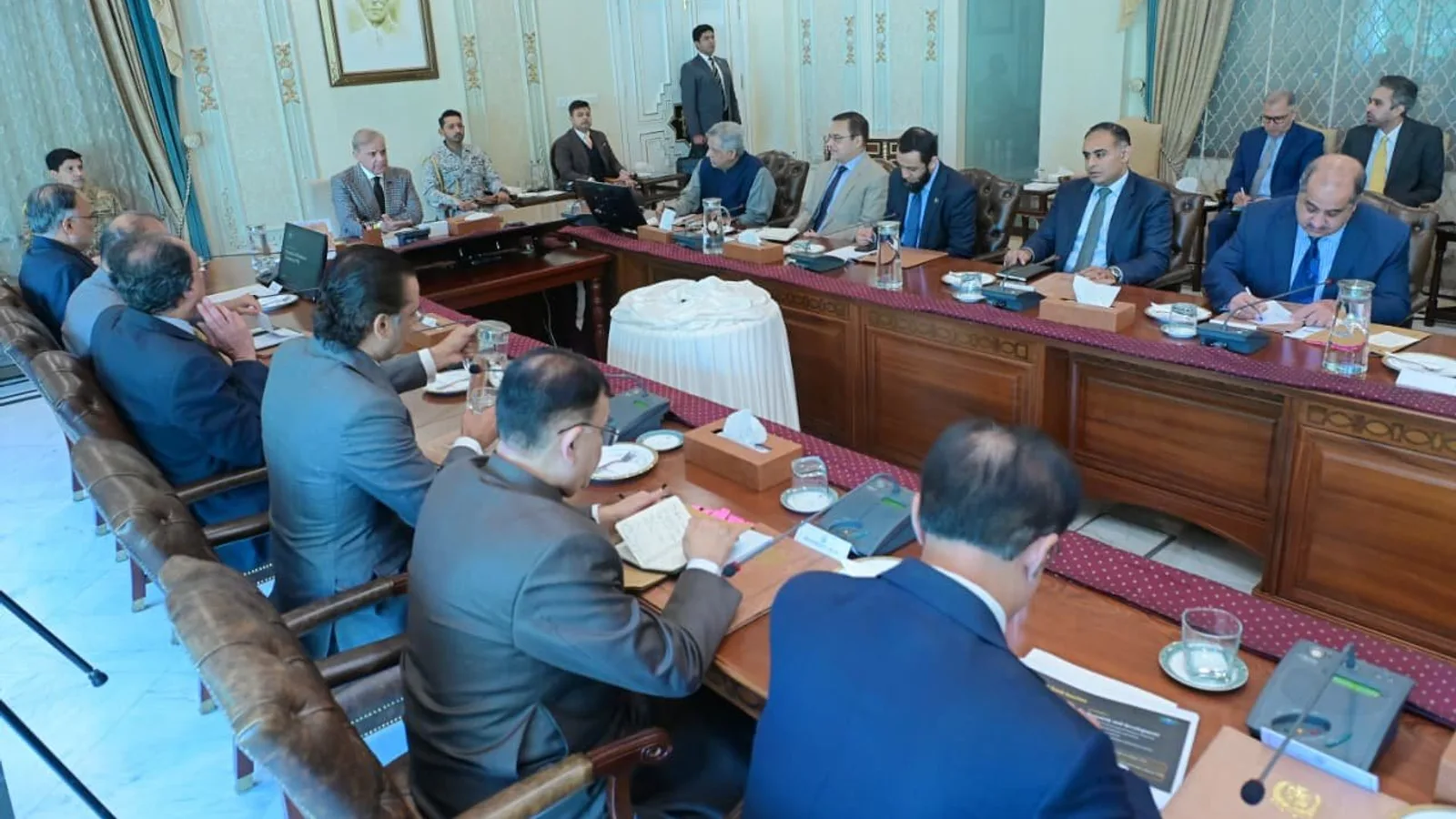
Chairing a weekly review of tax reforms on Monday, the prime minister said the initial results of the reforms were encouraging and that the FBR must keep building its capacity to close the tax gap, the Prime Minister’s Office said.
“It is the responsibility of FBR officers to improve their performance in line with the expectations of the nation,” the prime minister was quoted as saying. “The ongoing reforms were in the broader interest of the state, and the process would continue in any case.”
What the meeting decided
- No new tax agency: the government dropped the idea of setting up an entirely new organisation, which had been floated earlier this month, The Express Tribune reported
- Retiring poor performers: it will instead fast-track amendments to the Civil Servants Act, pending in the National Assembly since 2024, to allow surplus and non-performing officers to be declared redundant, offered severance and compulsorily retired
- A leaner FBR: the human resources overhaul aims to make the FBR more efficient, less top-heavy and more taxpayer-friendly; the FBR must report on restructuring to the prime minister within this week
- Zero tolerance: the prime minister called for action against corrupt officials without discrimination, while staff who improve should get a chance to reform
Officials told the meeting the reforms had narrowed the estimated tax gap from 6 percent to 5 percent of GDP, and that technology had substantially reduced the discretionary powers of FBR officials.
A warning after the strike call
The meeting followed a call for a pen-down strike by the Inland Revenue Service Officers Association, which was withdrawn after senior officials intervened. A source told Dawn the prime minister expressed displeasure over the strike call. “We will not tolerate any resistance against the ongoing reforms in the FBR,” he was quoted as saying, adding that officers unwilling to work would be asked to leave.
The prime minister reminded officers that their salaries had been increased fourfold and that they had been given vehicles and accommodation. “We have extended every facility to these officers,” he said.
The FBR later said two Inland Revenue Service officers, one in grade 20 and one in grade 19, had been suspended, and two other grade-20 officers recalled to headquarters for investigation over an unauthorised press statement and a call to halt official work.
Faceless tax audits
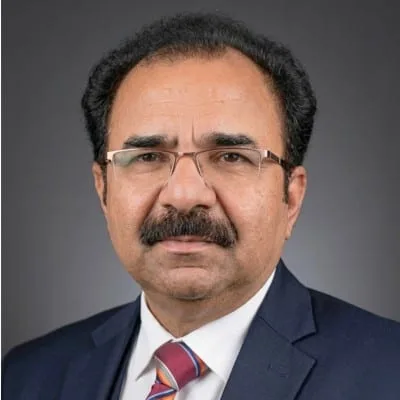
FBR Chairman Rashid Mahmood Langrial briefed the prime minister on the pilot project for faceless assessment and audit, which the prime minister directed be rolled out faster. The FBR has set up a National Faceless Centre in Islamabad to handle audits and assessments without direct contact between tax officials and taxpayers.
The centre, initially staffed by 27 officers, will audit and assess third-party data on 300,000 to 400,000 individuals under a pilot that began on October 1.
Why it matters
Every point cut from the tax gap means more revenue for the state without new taxes. The power to remove poor performers, and an end to face-to-face contact between officials and taxpayers, are the government’s main tools for getting there. Read our reports on the National Faceless Centre and on the extended tax return deadline.
This article draws on reporting by The Express Tribune and Dawn.
Comments
Comments are reviewed by our editors before they appear. Please keep them civil and on topic. See our terms.
No comments yet. Be the first to share your view.