
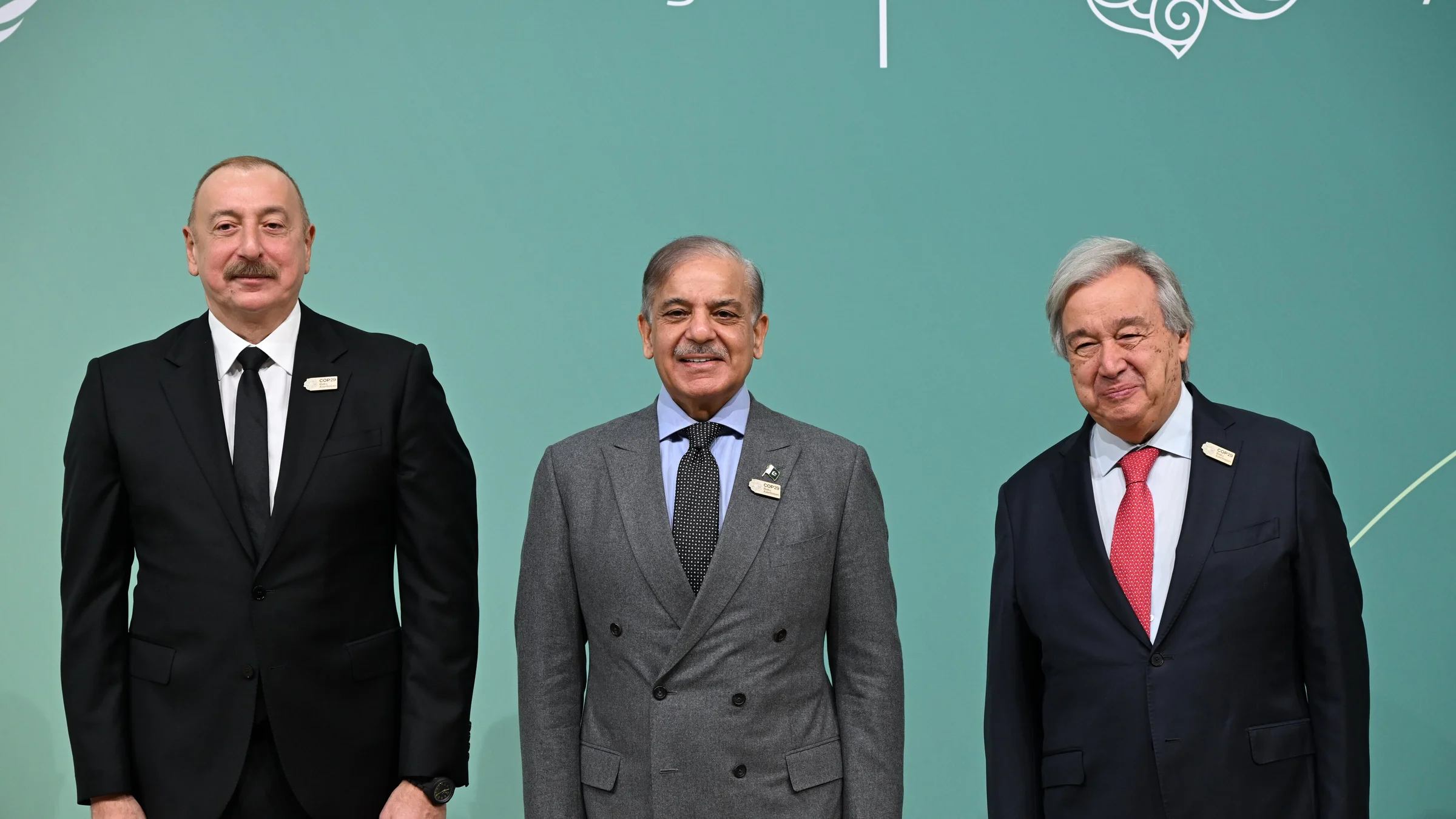
Prime Minister Shehbaz Sharif on Monday directed that no leniency should be shown to banks that are slow in lending to farmers, small and medium enterprises (SMEs) and borrowers under the Prime Minister’s Apna Ghar Scheme, Dawn, Geo News and The Express Tribune reported.
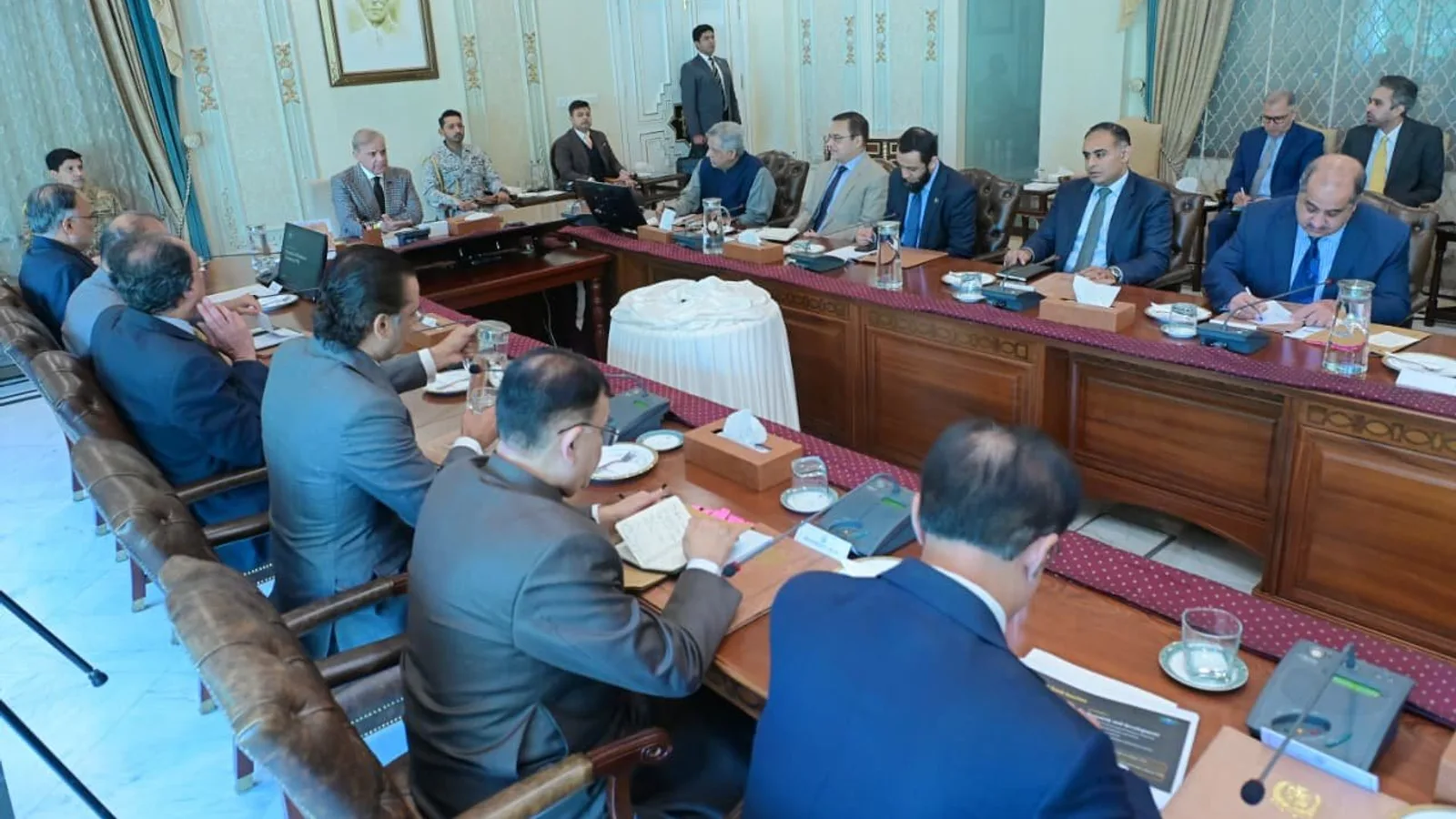
He gave the instruction at a review meeting on making loans easier for priority sectors, according to a handout from the Prime Minister’s Office (PMO).
What the PM said
“Improving the economy through the development of SMEs, housing, and agriculture and providing employment to youth is the government’s top priority,” he said. He praised banks that had done well in lending to agriculture, housing and SMEs under government initiatives.
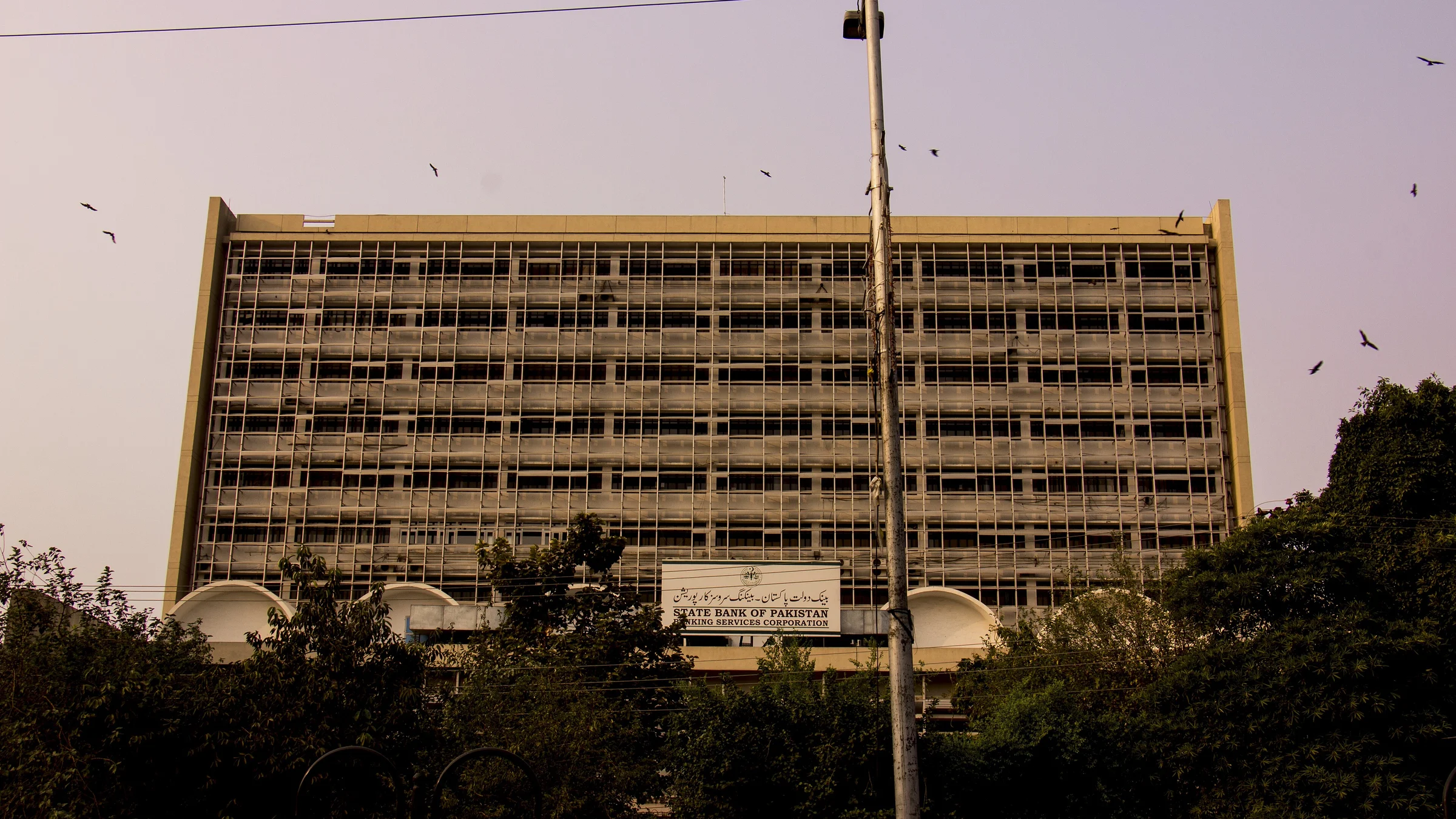
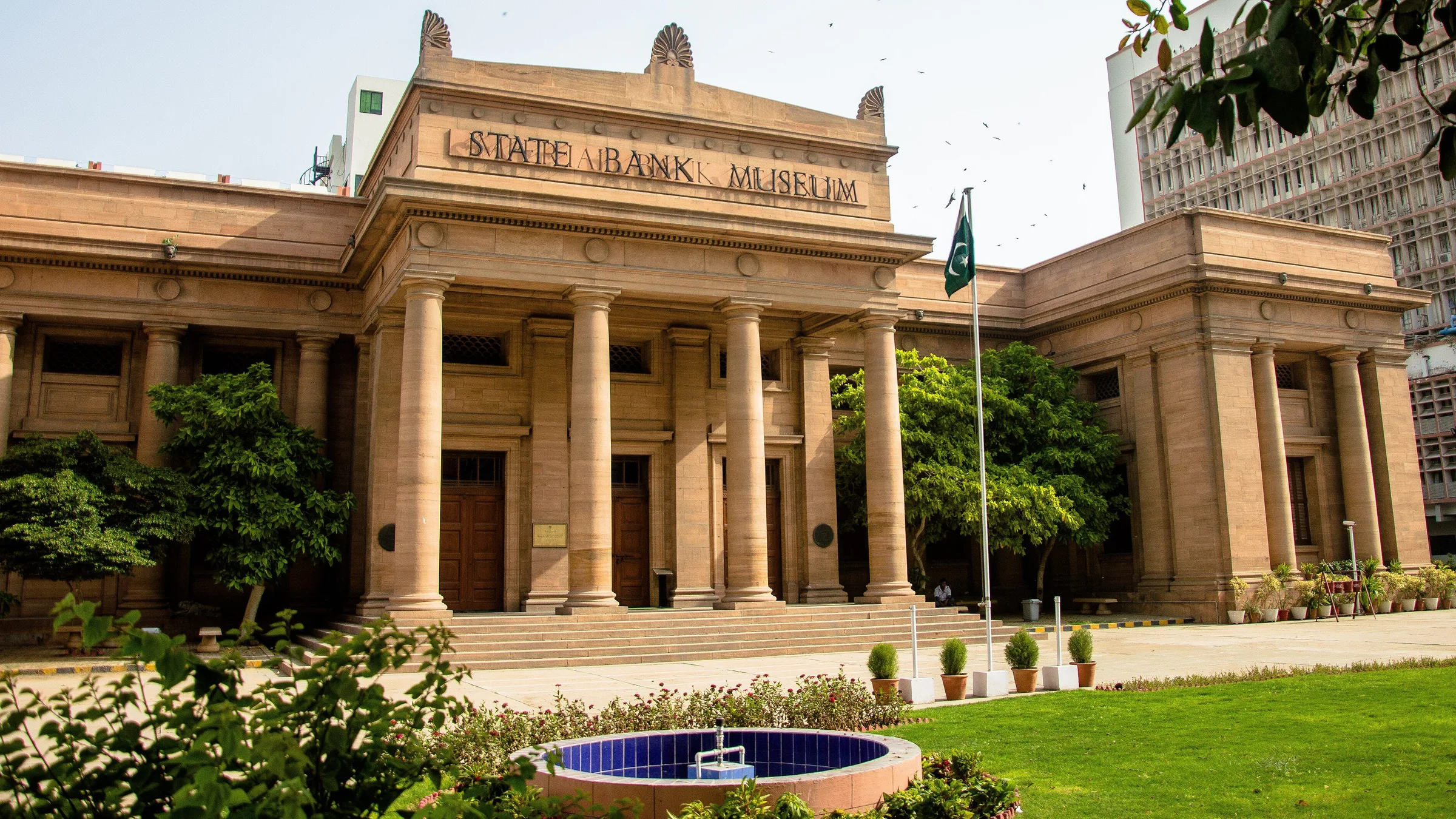
“No leniency should be shown by the State Bank of Pakistan (SBP) and the Ministry of Finance toward banks showing adopting a slow pace in providing loans,” the PM stressed, adding that banks are “key for the development of the private sector” and are expected to extend the same cooperation to priority sectors that the government extends to them.
His other directions:
- Finance minister: resolve financing problems in SMEs, agriculture and housing and prepare a comprehensive action plan.
- SBP and FBR: jointly resolve tax issues for SMEs and exporters.
- Risk cover: develop a comprehensive strategy for risk coverage so banks lend to SMEs more easily.
The numbers briefed to the PM
Under the Apna Ghar Scheme, launched in April, housing and construction loans of up to Rs10 million are offered on easy instalments. The meeting was told:
- Approvals: loans worth Rs511 billion approved up to October 23, covering 86,899 loans.
- Disbursements: 15,584 applicants had received Rs91bn, meaning most approved loans had not yet been paid out.
- Housing finance overall: Rs455bn in total loans, with 187,317 borrowers.
- Agriculture: loans of Rs1,329bn to nearly 3.5 million beneficiaries.
- SMEs: loans of Rs1,148bn to 342,458 businesspeople.
The target is to raise agriculture and SME lending to Rs1,500bn each by the end of this fiscal year.
What the SBP is doing
The SBP is working on three pillars, the meeting heard: better regulations, risk and cost sharing between the government and banks, and more digital facilities. A digital portal has recently been launched for businesspeople to apply for loans and track their applications. Risk-sharing and credit-guarantee initiatives have been introduced for housing, agriculture and SMEs, and work is under way to simplify procedures and reduce paperwork.
Background
Earlier this month the PM ordered SME financing doubled to Rs2.2 trillion by 2028, and exporters have asked for more help: textile exporters sought a rebate of 6 to 8pc to halt an export slide.
What we know, and what we don’t
- Known: the PM wants banks that lend slowly to face consequences, and wants tax and risk problems solved.
- Unknown: what “no leniency” means in practice, since the handout does not say what the SBP would do to slow lenders.
- Unknown: why only 15,584 of 86,899 approved Apna Ghar loans had been disbursed by October 23.
Why it matters
Approvals are not loans: the gap between Rs511bn approved and Rs91bn disbursed under Apna Ghar suggests many applicants are still waiting for money. Small businesses and farmers say access to credit is one of their biggest problems, so the government is pressing banks. The test is whether disbursements rise by the next review.
This article draws on reporting by Dawn, Geo News and The Express Tribune.
Comments
Comments are reviewed by our editors before they appear. Please keep them civil and on topic. See our terms.
No comments yet. Be the first to share your view.