
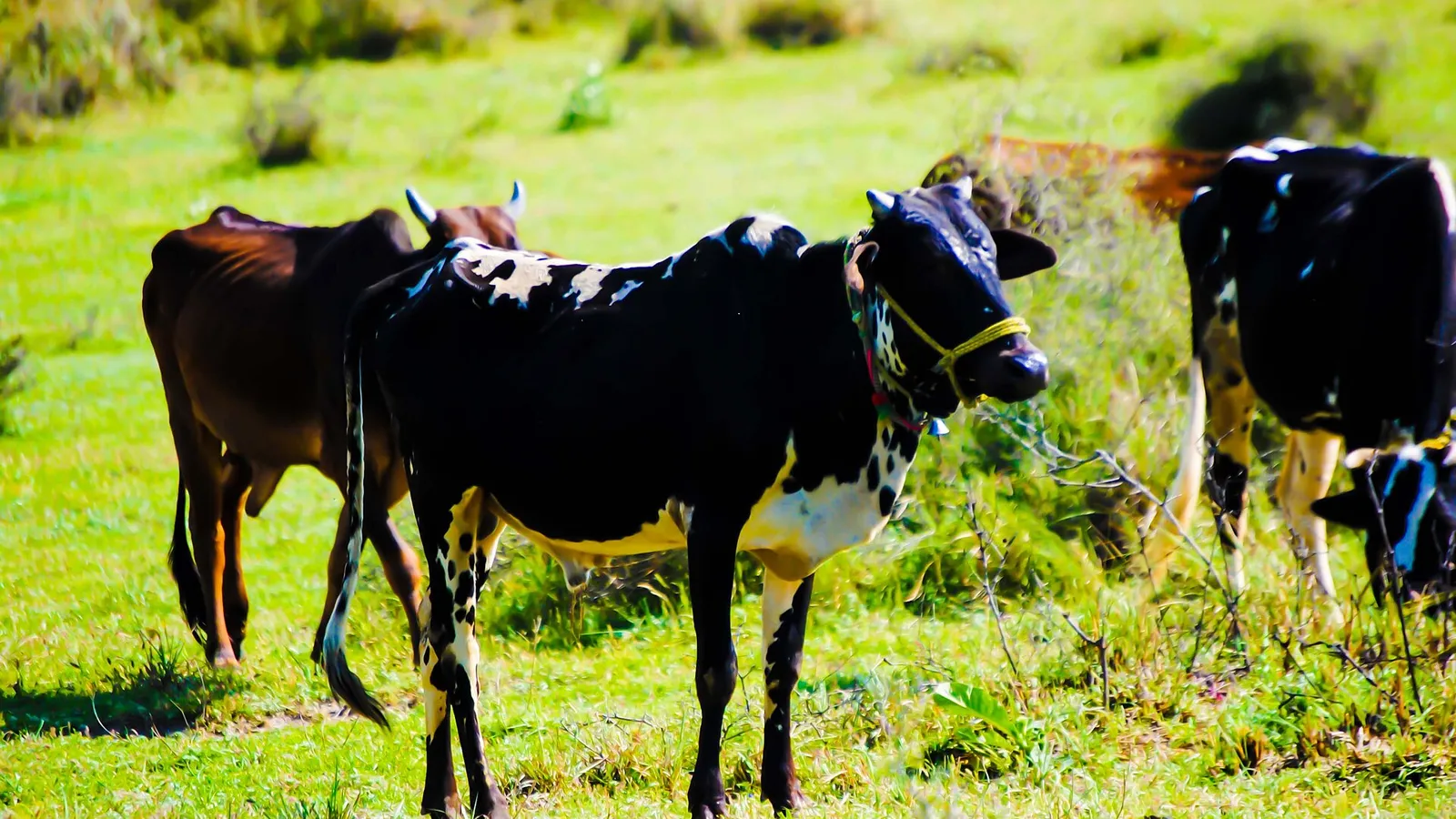
Pakistan has asked Turkiye for technical help with controlling foot-and-mouth disease (FMD) and with producing the vaccine at home, and a Turkish expert delegation will visit Pakistan soon, Dawn and The Express Tribune reported, citing a statement from the food security ministry.
What was agreed
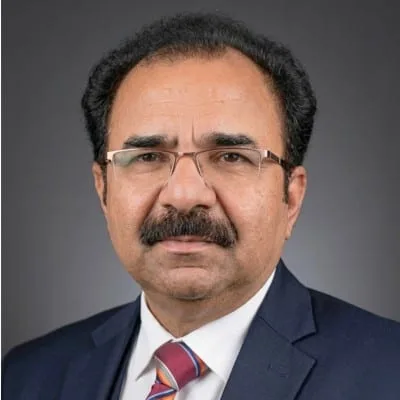
Prime Minister Shehbaz Sharif decided to seek Turkiye’s technical support for building Pakistan’s own FMD vaccine production capacity, according to Federal Minister for National Food Security and Research Rana Tanveer Hussain. He and Turkiye’s ambassador, Dr Irfan Neziroglu, met on Wednesday to discuss cooperation in agriculture, livestock, vaccine production, human resource development and value-added food exports.
The ambassador said Turkiye was willing to extend technical cooperation, and a Turkish technical delegation will visit Pakistan to explore ways of working together. The two sides agreed to turn their long-standing strategic partnership into practical steps through institutional links, technical collaboration and direct contact between ministries, universities and experts.
Training plan
A main focus was capacity building and technical training. Pakistan told the Turkish side it planned to send an initial group of about 30 participants to Turkiye under a proposed programme for 100 trainees. The Ministry of Foreign Affairs has identified possible Turkish institutions, and the Higher Education Commission is working with the ministry to settle on universities, priority subjects and arrangements.
The two sides also went over findings from recent exchanges between livestock experts. A Pakistani delegation that visited Turkiye to study its livestock sector is preparing a report on practical areas where Turkish expertise could be adopted, the Tribune reported.
The export goal
The cooperation is tied to Pakistan’s plan to set up disease-free zones and widen access to international meat markets, particularly Turkiye. Both sides noted that better animal-health standards and domestic vaccine output would increase livestock and meat export potential, Dawn reported.
Olive oil and other projects
The meeting also reviewed earlier Turkish support through the Turkish Cooperation and Coordination Agency (TIKA) for an olive oil facility in Muzaffarabad, which has reportedly benefited about 5,000 farmers. Pakistan said it was interested in similar projects in olive-growing areas of Balochistan, Khyber Pakhtunkhwa, Chakwal and Attock, with a focus on processing, value addition and better market access. The ambassador offered to help build links with Turkish universities, especially those specialising in agriculture.
Background
Pakistan and Turkiye have been widening their ties beyond agriculture; in October we reported that the two countries, with Qatar and Indonesia, signed the “Badr” defence industry pact. The latest meeting shows the partnership reaching into farming and food. FMD is a highly contagious viral disease that affects cattle, buffalo, sheep and goats. It does not usually kill adult animals, but it reduces milk and meat output and makes it harder to sell animals across borders, which is why trading partners set strict animal-health rules for meat imports. The statements did not say how many vaccine doses Pakistan currently uses, how much it imports, or how much domestic production would cost, so these details are left out here.
Why it matters
For farmers, an outbreak hurts milk sales and the value of the animal. Pakistan’s goal of exporting more meat depends on proving to buyers that its herds are protected, which is why the ministry links vaccine output to disease-free zones. A technical visit and a training programme are early steps, not a finished plan, and no timeline or budget was announced. What to watch is when the Turkish team arrives, which institutions are chosen for training, and whether a vaccine production agreement follows.
Comments
Comments are reviewed by our editors before they appear. Please keep them civil and on topic. See our terms.
No comments yet. Be the first to share your view.