

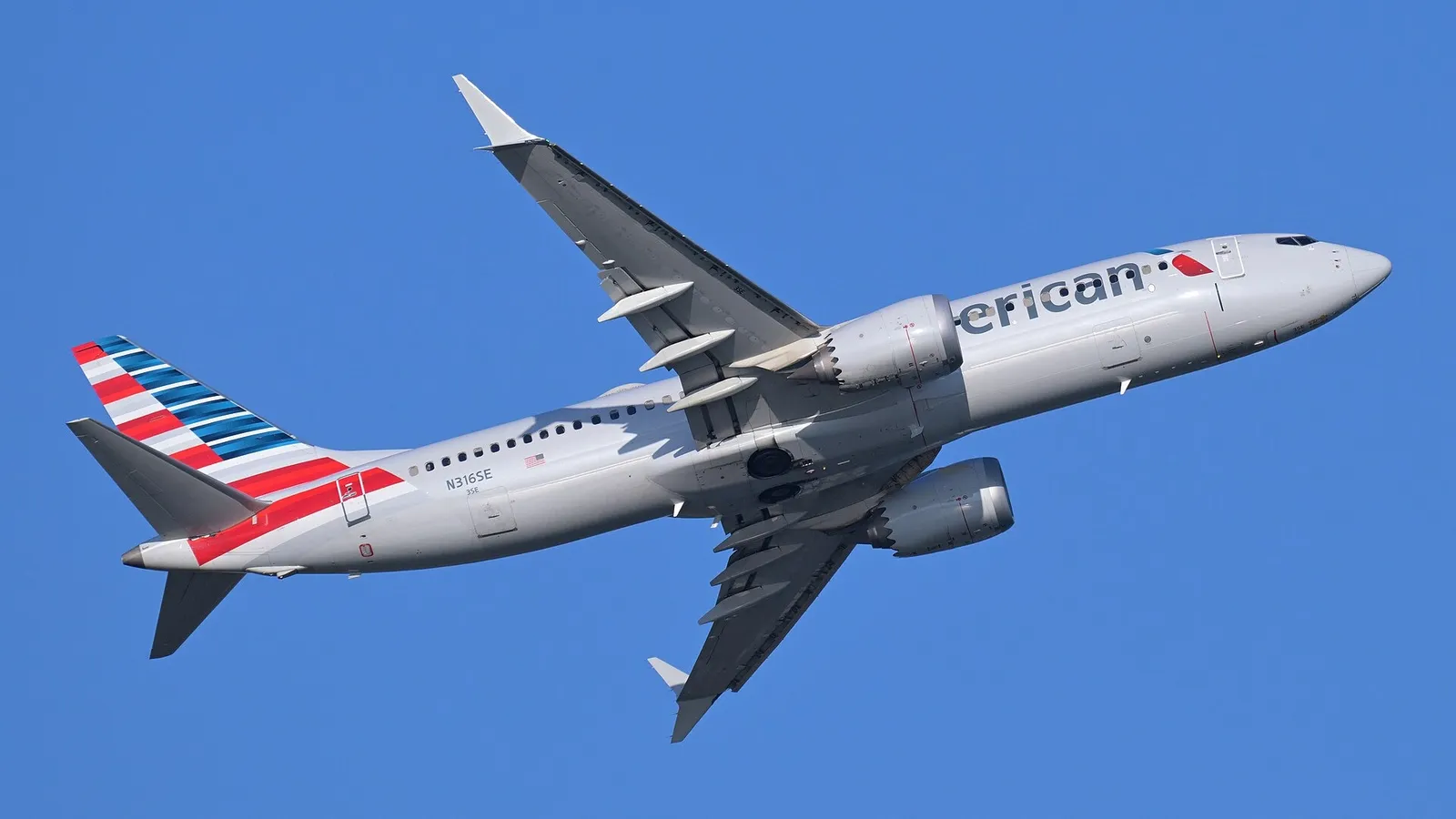
Travellers hoping for cheaper flights may have a long wait. Airfares could stay high even if oil and jet fuel prices fall, major US airlines and industry analysts say, because of the way the Iran war has upended airlines’ costs and planning.
Jet fuel prices rose sharply after the war began on February 28, eased in the spring and then surged again over the summer. Such swings make it harder for airlines to plan and give them a reason to be careful about cutting ticket prices, according to Brett House, an economist at Columbia Business School.
“It’s not just the level of fuel costs that is a problem or a challenge for airlines,” House said. “It’s also the volatility.”
Fuel prices nearly doubled
Globally, jet fuel cost about $99 a barrel on February 27, the day before the war began, according to the International Air Transport Association (IATA). It more than doubled to $209 by early April, fell for nearly three months, and was back at $195 a barrel in mid-September.
Jet fuel has risen even faster than crude oil during the war, because of both higher oil prices and tight supplies of refined fuel. Fighting has cut refinery output and fuel exports from the Middle East, while Ukrainian strikes have damaged Russian refineries. Because diesel and jet fuel compete for the same refinery capacity, a shortage of one pushes up the price of the other.
IATA expects fuel to make up nearly a third of airlines’ operating costs this year, up from about a quarter in 2025.
Why fares do not fall straight away
Timing is a big part of the problem. Airlines decide months ahead how many flights to run and seats to sell, based on the fuel costs they expect, and they start selling tickets even earlier. Once a seat is sold, they cannot charge more for it if fuel prices suddenly spike.
United Airlines, for example, had already sold about 35 per cent of its tickets for the last three months of the year by the time fuel jumped again, its chief financial officer, Mike Leskinen, said. “I don’t actually care if it stays high. I just need it to stabilise,” he told an investor conference.
The costs are large. American Airlines’ finance chief, Devon May, said every one-cent rise per gallon adds about $10 million to its quarterly fuel bill, and the latest increases would add about $1 billion to its fuel costs in the fourth quarter.
Fewer flights, higher fares
To cope, airlines are cutting less profitable routes. American, United and Southwest have all trimmed their schedules, and United has warned of further cuts in 2027 if fuel stays expensive.
Passengers are already paying more:
- US airfares in August were 23 per cent higher than a year earlier, according to the Labor Department.
- Travel company Hopper says holiday fares are the highest in a decade, with average round-trip domestic fares of $402 for Thanksgiving and $452 for Christmas, up 31 per cent and 23 per cent.
- Last-minute travellers are hit hardest: one budget airline’s average same-day fare jumped 21 per cent in a single week.
Jet fuel prices would have to fall and stay down before fares decline for good, said Stephen Treanor, a finance professor at California State University, Chico. House was blunter: “The likelihood that fuel surcharges are going to be rolled back and airfares are going to be brought down is very low over the next few months.”
What it means for Pakistani travellers
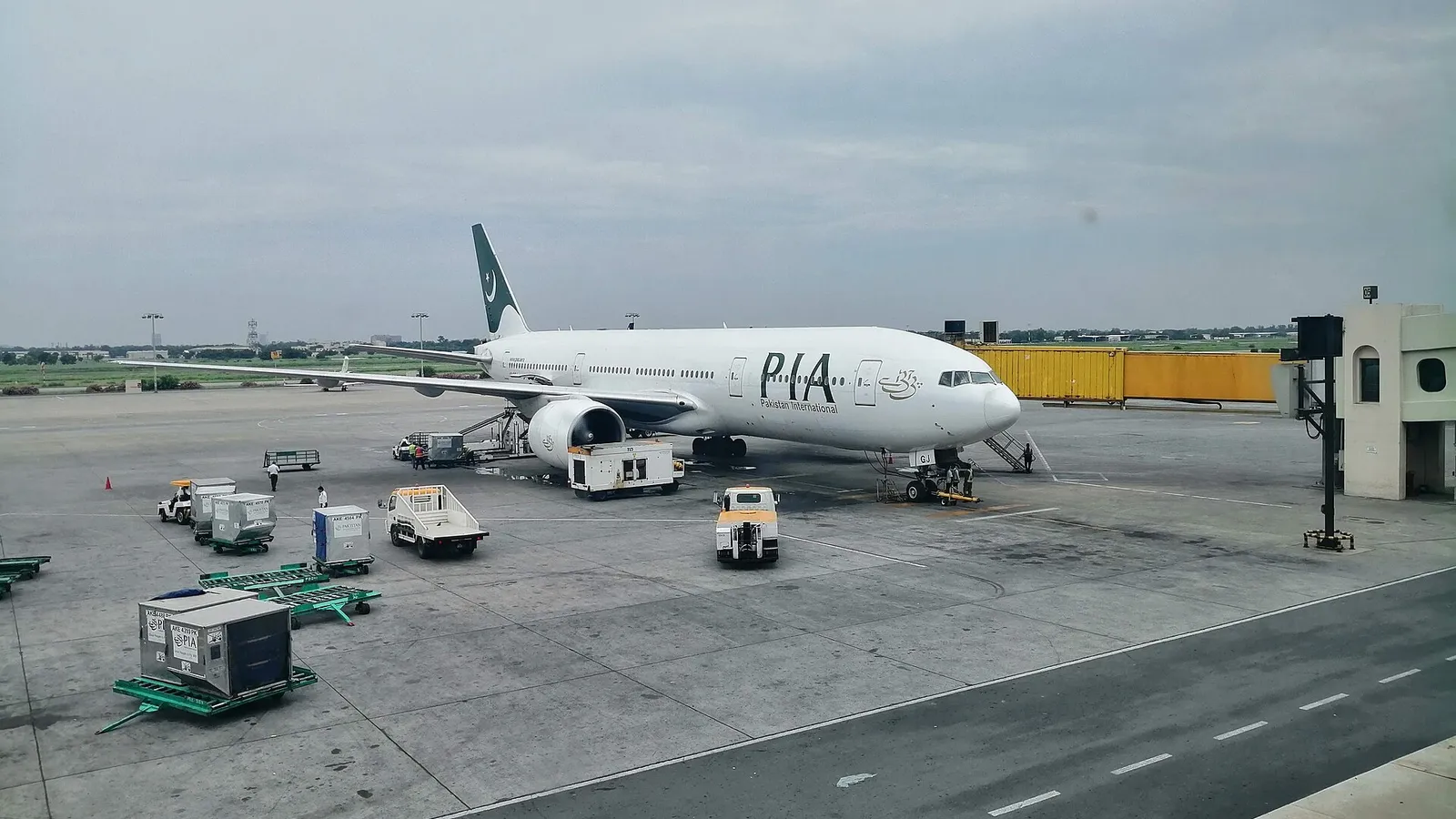
IATA’s figures show the fuel shock is global, not just American, so travellers everywhere, including the many Pakistanis who work in the Gulf or live in Europe and North America, are likely to feel it in the price of tickets home. The same war is behind the higher oil prices that are pushing up inflation in Pakistan. Fuel costs also matter for Pakistan’s privatised national carrier, PIA, which is seeking financing for new Boeing aircraft.
Why it matters
Air travel is one of the clearest ways the war in the Middle East reaches ordinary people far from the fighting. Even if the conflict eases and talks over the Strait of Hormuz succeed, airlines’ long booking cycles mean cheaper fares could take many months to arrive.
This article draws on reporting by The Associated Press.

Comments
Comments are reviewed by our editors before they appear. Please keep them civil and on topic. See our terms.
No comments yet. Be the first to share your view.