

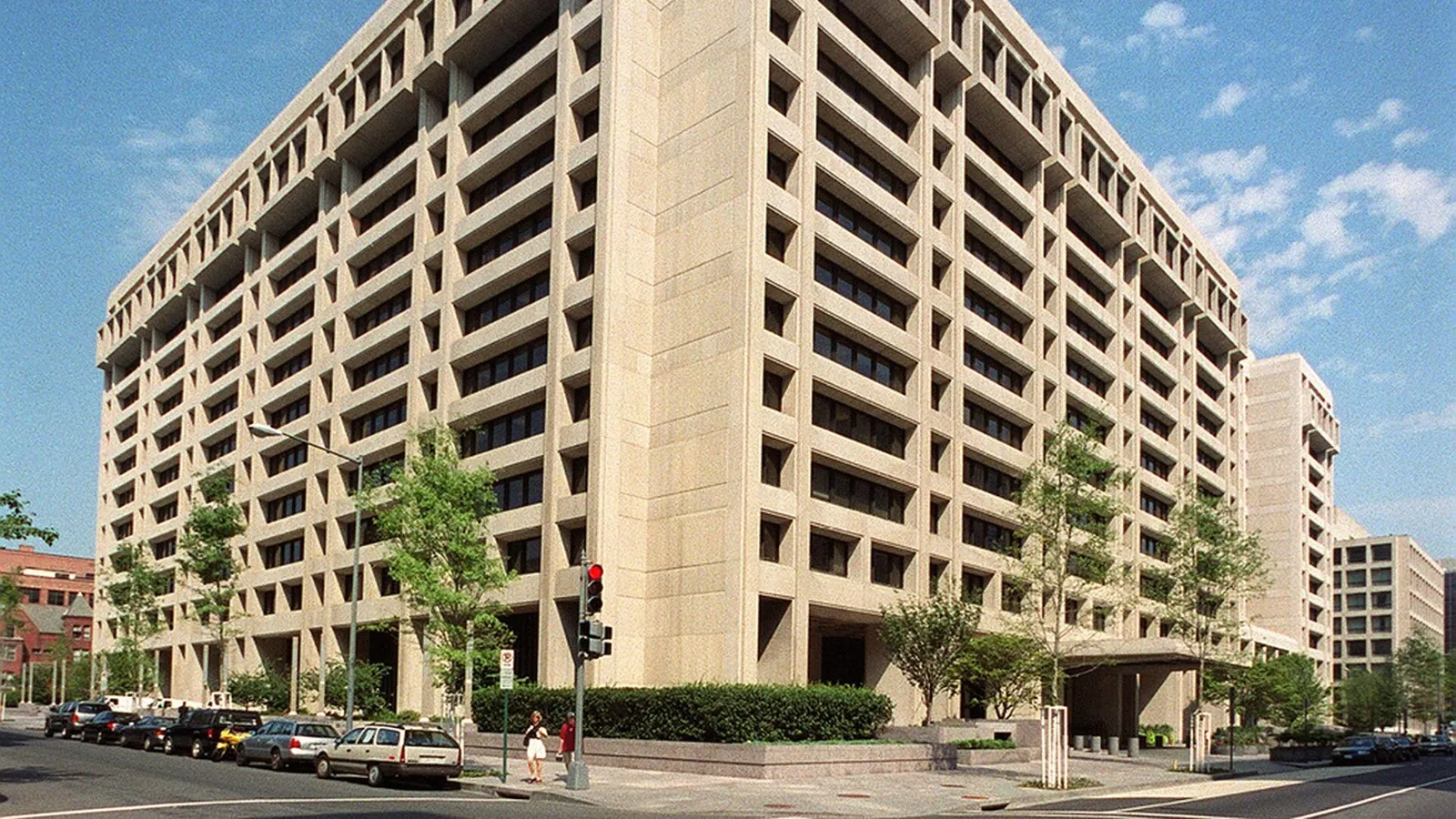
Pakistan and the International Monetary Fund (IMF) are set to begin formal talks in Islamabad today on the next reviews of the country’s loan programme, negotiations that could unlock about $1.2 billion before the end of the year.
A visiting IMF staff mission, led by Iva Petrova, is expected to stay for almost two weeks, until the first week of October, according to official sources. It will carry out the fourth review of Pakistan’s $7 billion Extended Fund Facility (EFF) and the third review of the Resilience and Sustainability Facility (RSF).
What is at stake
If both reviews are completed successfully, Pakistan will become eligible for two payments:
| Facility | Amount |
|---|---|
| Extended Fund Facility | About $1 billion (760 million Special Drawing Rights) |
| Resilience and Sustainability Facility | About $200 million |
| Total | About $1.2 billion |
The money would be disbursed by the end of November or early December, once the IMF’s executive board approves the staff’s findings.
A programme built on stabilisation
Pakistan is in the middle of a 37-month IMF programme designed to stabilise the economy through fiscal discipline, structural reforms and measures to support long-term growth. Each review checks whether the government has met the targets and commitments agreed with the Fund, from revenue collection to reforms of state enterprises.
The RSF is a separate facility aimed at helping countries build resilience against long-term challenges, particularly climate change, and its reviews are carried out alongside the main programme.
Talks against a changing backdrop
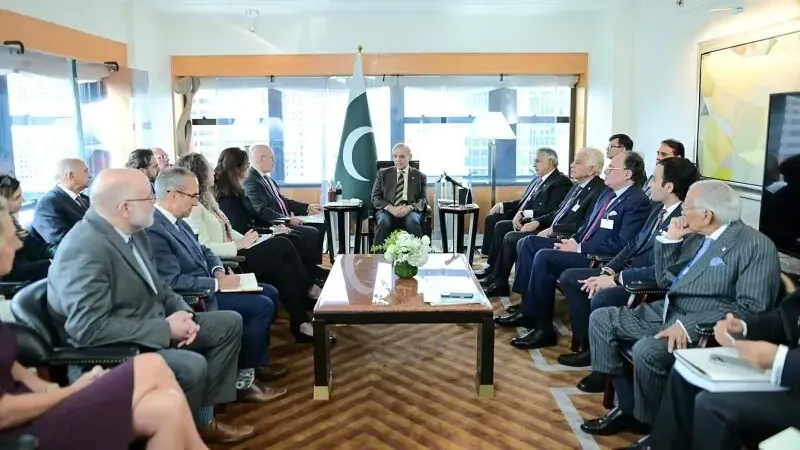
The mission arrives as the government argues that the economy has turned a corner. In New York last week, Prime Minister Shehbaz Sharif told American business leaders that Pakistan’s economy had stabilised and was moving towards growth.
But the outlook is still clouded by risks outside Pakistan’s control. The conflict in the Gulf has pushed up energy prices and widened the country’s trade deficit with its Gulf partners, while analysts expect inflation to stay above 10 per cent this month. Both will feature in the Fund’s assessment of the economy.
The government’s privatisation drive is also likely to come up. On Sunday, the Prime Minister’s Adviser on Finance, Khurram Schehzad, said the state was neither buying aircraft for the privatised PIA nor guaranteeing loans for new jets, after claims linked to Finance Minister Muhammad Aurangzeb’s meeting with the US Export-Import Bank. He stressed that the government’s role was to open doors for private companies, not to run businesses.
What happens next
Over the next two weeks, the mission is expected to hold technical and then policy-level talks with Pakistani officials. If the two sides agree, a staff-level agreement is announced and then goes to the IMF’s executive board for approval.
Why it matters
The IMF programme is the anchor for Pakistan’s economic recovery. Completing the reviews on time keeps the money flowing and, just as importantly, reassures other lenders and investors that the reform path is on track. With oil prices high and the Gulf conflict unresolved, a smooth review would give Pakistan some breathing room at a difficult moment for the global economy.
This article draws on reporting published by Dawn.



Comments
Comments are reviewed by our editors before they appear. Please keep them civil and on topic. See our terms.
No comments yet. Be the first to share your view.