
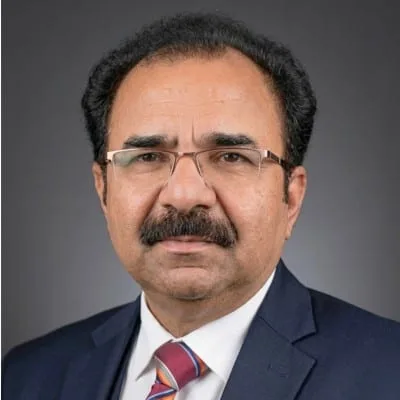
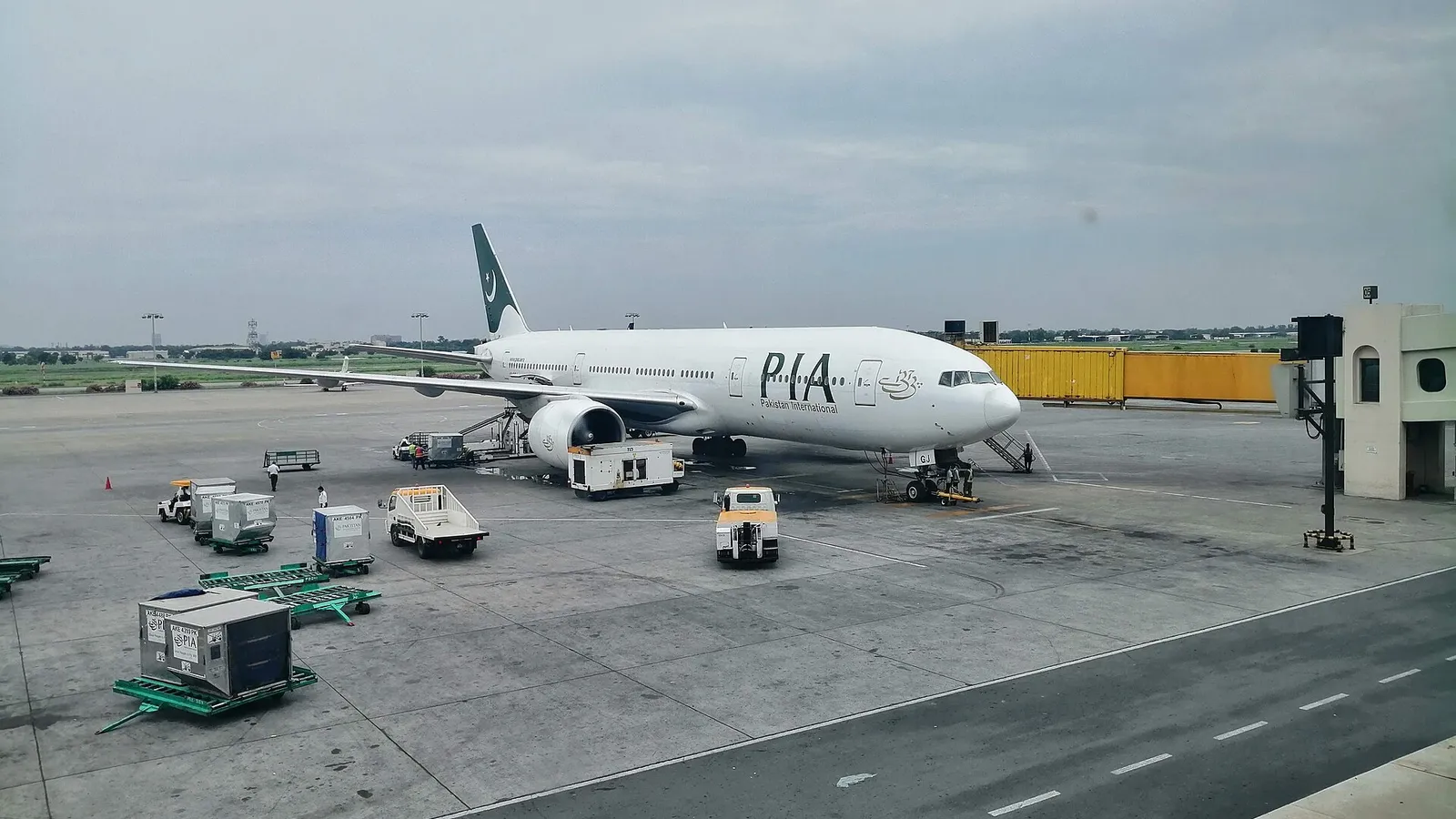
The government is not buying aircraft for Pakistan International Airlines (PIA) and has not offered any sovereign guarantee for loans to do so, the Prime Minister’s Adviser on Finance, Khurram Schehzad, said on Sunday.
Schehzad made the clarification on X after claims on social media that a minister was arranging and negotiating state-backed financing for new jets for the national carrier, which was sold at auction in December last year.
“The government is neither buying aircraft for a privatised PIA, nor has it announced any sovereign guarantee of taxpayer-funded loan for doing so,” he wrote.
Where the claims came from
The speculation followed a meeting in New York between Finance Minister Muhammad Aurangzeb and John Jovanovich, chair of the US Export-Import (Exim) Bank, on the sidelines of the 81st session of the UN General Assembly.
According to the finance ministry, the two discussed the Reko Diq mining project and possible funding for aircraft for PIA. The minister conveyed the airline’s interest in Boeing 787 Dreamliners and sought support for a financing package covering both aircraft and engines.
How export financing works
Schehzad said the critics had misunderstood the role of the US Exim Bank. Like export credit agencies elsewhere, its job is to support its own country’s exports and jobs, and Boeing aircraft are American exports.
He explained that the bank finances foreign buyers of US-made aircraft, including airlines, through established structures. Its framework allows for asset-backed financing, in which the loan is secured against the aircraft itself and credit is judged on the airline or lessee, and on any guarantor. “A sovereign guarantee is therefore not an automatic requirement,” he said.
‘Opening doors’, not running businesses
The adviser described the government’s role as doing what governments everywhere do for their companies: “opening doors, facilitating access to international financing, technology and suppliers and promoting investment and commercial opportunities”.
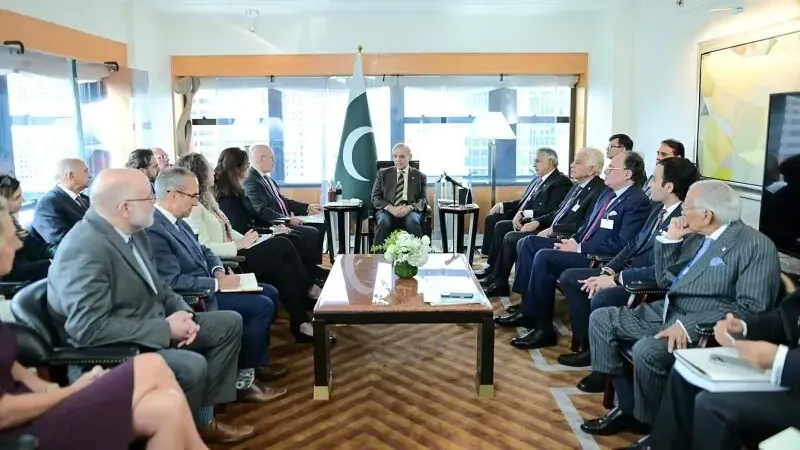
He added that the finance minister’s talks with the Exim Bank were not limited to PIA. They covered possible financing for aviation, refinery upgrades and Reko Diq, as part of a wider economic engagement between Pakistan and the United States. That engagement was also the theme of Prime Minister Shehbaz Sharif’s meetings in New York this week, where he told American business leaders that Pakistan’s economy had stabilised and was open for investment.
Schehzad said the government was deliberately shrinking the state’s role in commercial activity through privatisation and by creating more room for private capital. “Private-sector-led growth does not mean government abandons the private sector; it means government enables it rather than running businesses itself,” he said.
‘Should not be presented as facts’
The adviser rejected suggestions of a “public loan, hidden subsidy, state backstop”, or that taxpayers would carry PIA’s commercial risk, saying such claims should not be treated as facts when no such arrangement had been announced. The official statement, he stressed, referred only to potential Exim Bank financing support, not to government borrowing for PIA or a sovereign guarantee.
“Privatisation transfers ownership and commercial management. It does not require the government of Pakistan to stop opening doors for Pakistani companies,” he said.
A new fleet for a new PIA
For years, PIA’s ageing and shrinking fleet was one of the clearest signs of its financial troubles, and the airline’s losses were a heavy burden on the public purse. The sale of the carrier was a central step in the government’s privatisation programme. A modern fleet of long-haul aircraft such as the Boeing 787 would allow the privatised airline to compete for international routes, especially those serving the large Pakistani diaspora in Europe, North America and the Gulf.
Why it matters
Whether taxpayers are still exposed to PIA after its sale is a sensitive question for a country working to fix its public finances. The government’s answer is clear: the airline’s new owners, not the state, carry the commercial risk, while the government’s role is limited to helping Pakistani companies reach international lenders and suppliers. If PIA can secure asset-backed financing for new aircraft on that basis, it would be an early sign that privatisation is working as intended.
This article draws on reporting published by Dawn.

Comments
Comments are reviewed by our editors before they appear. Please keep them civil and on topic. See our terms.
No comments yet. Be the first to share your view.