

Swiss voters have overwhelmingly rejected a proposal to write a strict form of neutrality into the country’s constitution, a plan that would have stopped Switzerland from imposing sanctions unless the United Nations approved them.
More than 70 per cent of voters said no to the initiative in Sunday’s referendum, official results showed, a wider margin than the final opinion polls had suggested. The proposal, backed by the right-wing Swiss People’s Party (SVP), was opposed by the federal government and every other major party.
What voters turned down
The initiative, launched after Switzerland joined the European Union’s sanctions on Russia over the war in Ukraine, would have required Swiss neutrality to be “armed and perpetual”. It would have:
- Banned Switzerland from imposing sanctions unless they were approved by the UN
- Prevented closer ties with the NATO military alliance
- Ruled out any military alliance unless the country itself were attacked
Moscow openly backed the plan, and opponents branded it “pro-Russian”. We reported on the arguments on both sides before the vote.
A vote for sanctions on Russia
Lukas Golder, co-director of the research institute Gfs.bern, told Swiss public broadcaster SRF that voters had not turned their backs on neutrality, but that the result showed support for sanctions against Russia. “People have a clear idea of what Switzerland’s neutrality is supposed to achieve,” he said.
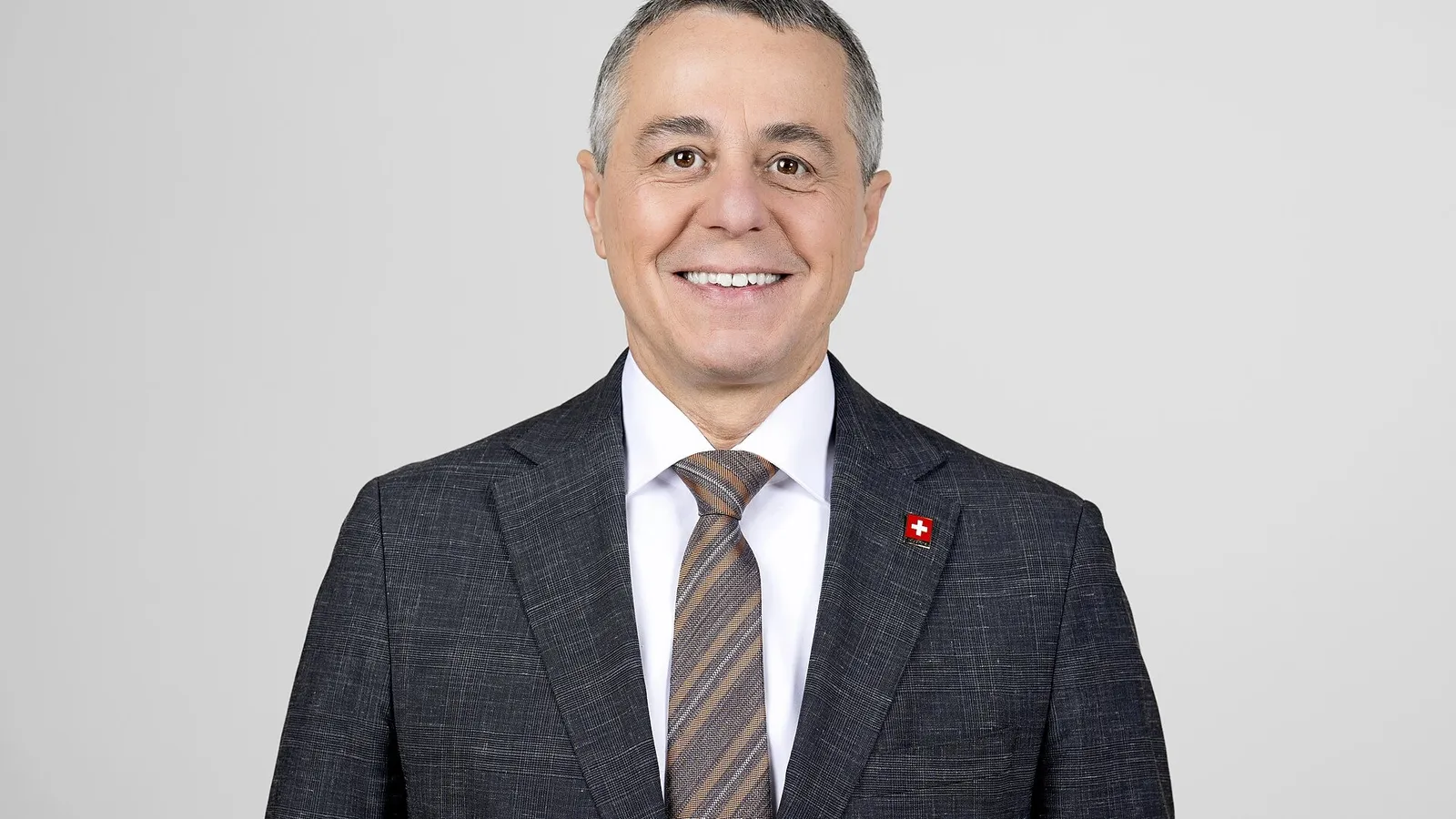
Foreign Minister Ignazio Cassis had argued during the campaign that “neutrality has always been applied with a degree of flexibility”. While Switzerland has no plans to lift its ban on selling arms to countries at war, including Ukraine, he said “neutrality does not mean indifference”, and that the country would “not look away when we see violations of the very international rules that allow us to live in peace”.
Five centuries of neutrality
Switzerland’s neutrality was recognised internationally at the Congress of Vienna in 1815, which granted it “eternal neutrality” at a time of war across Europe. It was defined in law by the Hague Convention of 1907, which bars Switzerland from supplying weapons to countries at war. On that basis, it has refused a German request for tank ammunition destined for Ukraine.
The country stayed neutral through the Second World War, but its record is not spotless: it banked gold looted by the Nazis and, to avoid provoking an invasion, turned away thousands of Jewish refugees, policies for which it apologised in the 1990s.
Under Switzerland’s system of direct democracy, major decisions are often put to voters in referendums.
The UN question
The rejected plan would have given the UN Security Council, where any of the five permanent members can block a resolution with its veto, the final say over whether Switzerland could impose sanctions. In practice, that would have ruled out measures against Russia, a permanent member.
That highlights a problem much debated at this year’s General Assembly: the Security Council often cannot act when a permanent member is involved in a conflict. Pakistan has long called for the council to be reformed and made more representative, as this newspaper argued in its editorial on why the UN still matters. Switzerland, home to the UN’s European headquarters in Geneva, has now chosen to keep acting on its own judgement rather than wait for a divided council.
Why it matters
The result keeps Switzerland aligned with the European sanctions on Russia and leaves it free to deepen cooperation with NATO, while keeping its traditional ban on arming countries at war. For a country whose neutrality has made it a trusted host for diplomacy, the vote draws a line between staying out of wars and staying silent about them.
This article draws on reporting by the BBC and Dawn.
Comments
Comments are reviewed by our editors before they appear. Please keep them civil and on topic. See our terms.
No comments yet. Be the first to share your view.