

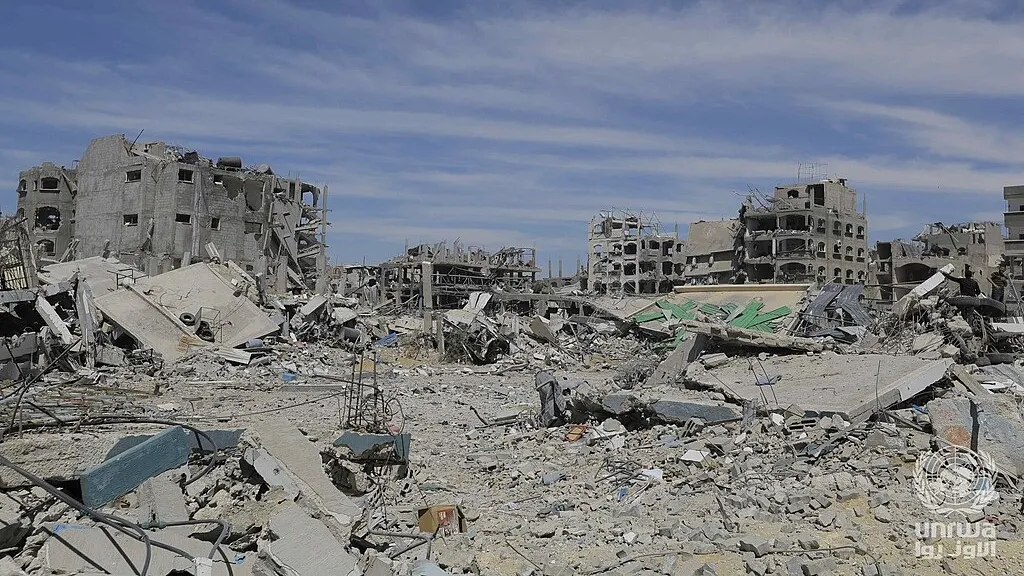
The number of Palestinians killed in Gaza since the war began nearly three years ago has passed 74,000, according to the territory’s health ministry, as Israeli strikes continue almost a year into a ceasefire that has done little to end the killing.
The ministry said on Saturday that 74,016 people had been killed and 175,068 wounded since October 7, 2023, when Hamas-led fighters attacked Israel, killing about 1,200 people, most of them civilians, and taking 251 hostages.
Killed during the ceasefire
A ceasefire that took effect on October 10 last year halted the heaviest fighting, but Israeli strikes have continued, which the Israeli military describes as responses to threats or attacks.
Since the truce began, 1,145 Palestinians have been killed, according to the ministry. Seven Israeli soldiers have been killed in the same period. The ministry, part of the Hamas-run administration, does not distinguish between civilians and fighters, but its records are regarded as generally reliable by UN agencies and international organisations.
On Saturday alone, Israeli strikes in central and southern Gaza killed two Palestinians and wounded several others, hospital officials said. In Gaza City, a strike on a car killed one person, according to Shifa Hospital, and a separate strike in the Muwasi area of Khan Younis killed another, according to Nasser Hospital. Israel’s military said it had targeted militants in both attacks.
A stalled peace plan
The next stages of the US-brokered ceasefire have largely stalled. Israeli forces now control more than half of Gaza’s territory, and Prime Minister Benjamin Netanyahu has said they will not withdraw until Hamas disarms.
Israel’s diplomatic disputes are also growing. On Sunday, Foreign Minister Gideon Saar said the Dutch embassy had been told that its diplomats in Ramallah must leave within a week. He said the move was a response to a Dutch ban, in force since September 22, on the import, purchase and sale of goods from Israeli settlements in the occupied West Bank, which the Netherlands, like most of the world, considers illegal.
“Any country that acts in a hostile and unilateral manner against Israel will lose influence and relevance in the region,” Saar said. Israeli media reported that Dutch officials had searched luggage on a flight from Tel Aviv to Amsterdam to enforce the ban.
The row comes days after dozens of delegations walked out of the UN General Assembly as Netanyahu began to speak, and after Finance Minister Bezalel Smotrich called for Israel to annex parts of Gaza and wage war in the West Bank.
A region still at war
The violence in Gaza is one part of a wider conflict:
- Yemen: The World Health Organization says almost 700 people have been killed since fighting escalated last month. The Houthis accused government forces of striking a market in Taiz, killing at least seven people, a claim the government denied.
- Lebanon: Thousands gathered in Beirut’s southern suburbs to mark two years since the killing of former Hezbollah leader Hassan Nasrallah. His successor, Naim Kassem, said the group would not disarm while Israeli forces occupy southern Lebanon.
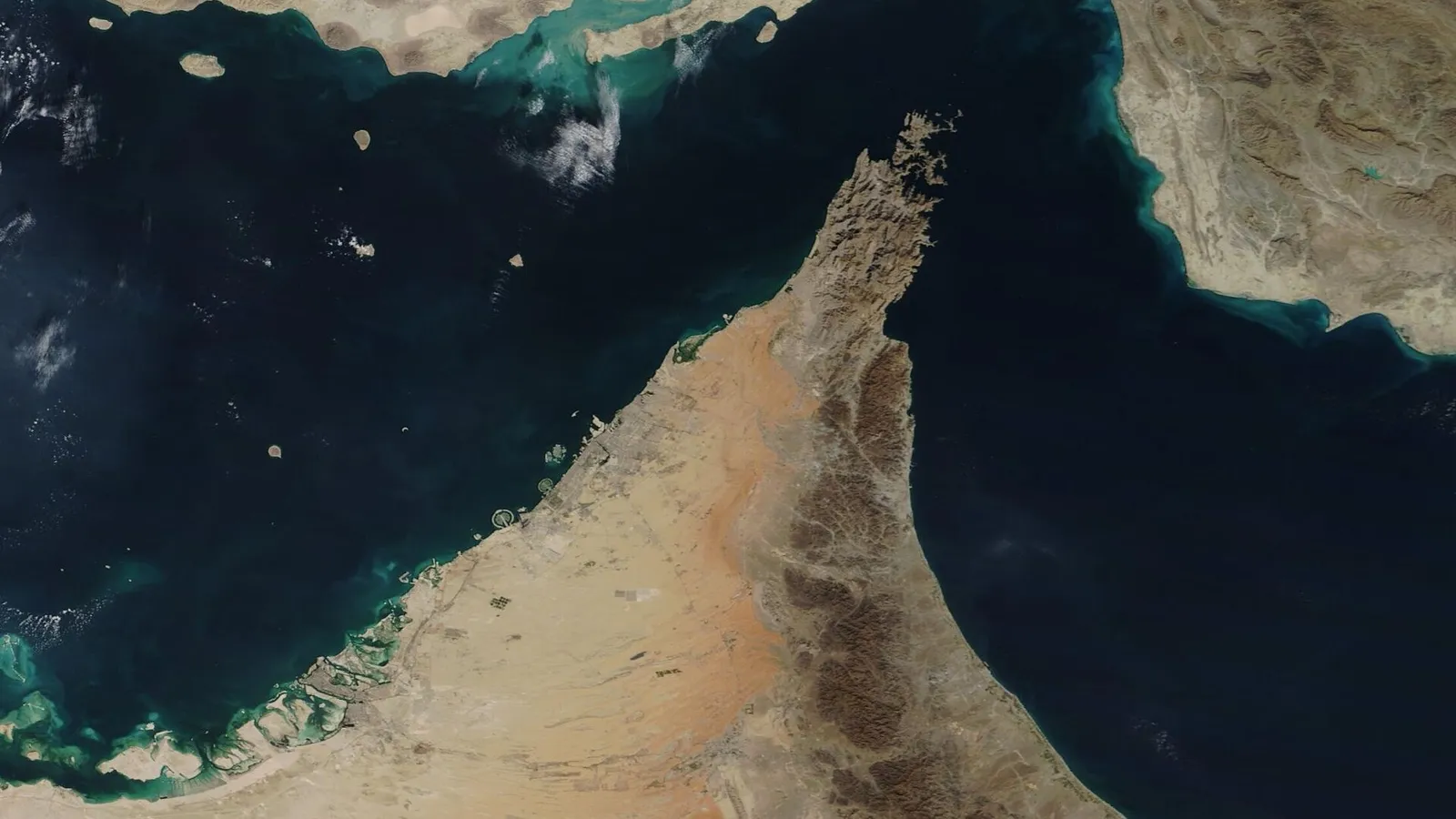
- Iran: Foreign Minister Abbas Araghchi said Iran was “fully prepared for the war to be resumed” but also “ready for diplomacy”, as the US and Iran edge towards talks over the Strait of Hormuz.
Pakistan’s position
Pakistan has long called for an end to the war in Gaza and for an independent Palestinian state. In New York last week, Prime Minister Shehbaz Sharif reaffirmed Pakistan’s support for Palestinian self-determination in talks with UN Secretary General António Guterres, and this newspaper has argued that the UN’s authority depends on international law being applied equally.
Why it matters
A ceasefire was meant to stop the killing. Instead, more than 1,100 Palestinians have died since it began, and the plan’s next steps are frozen. With Israel holding more than half of Gaza and refusing to withdraw, the risk is that the truce becomes a lasting occupation rather than a path to peace, while the humanitarian toll keeps rising.
This article draws on reporting by The Associated Press.



Comments
Comments are reviewed by our editors before they appear. Please keep them civil and on topic. See our terms.
No comments yet. Be the first to share your view.