

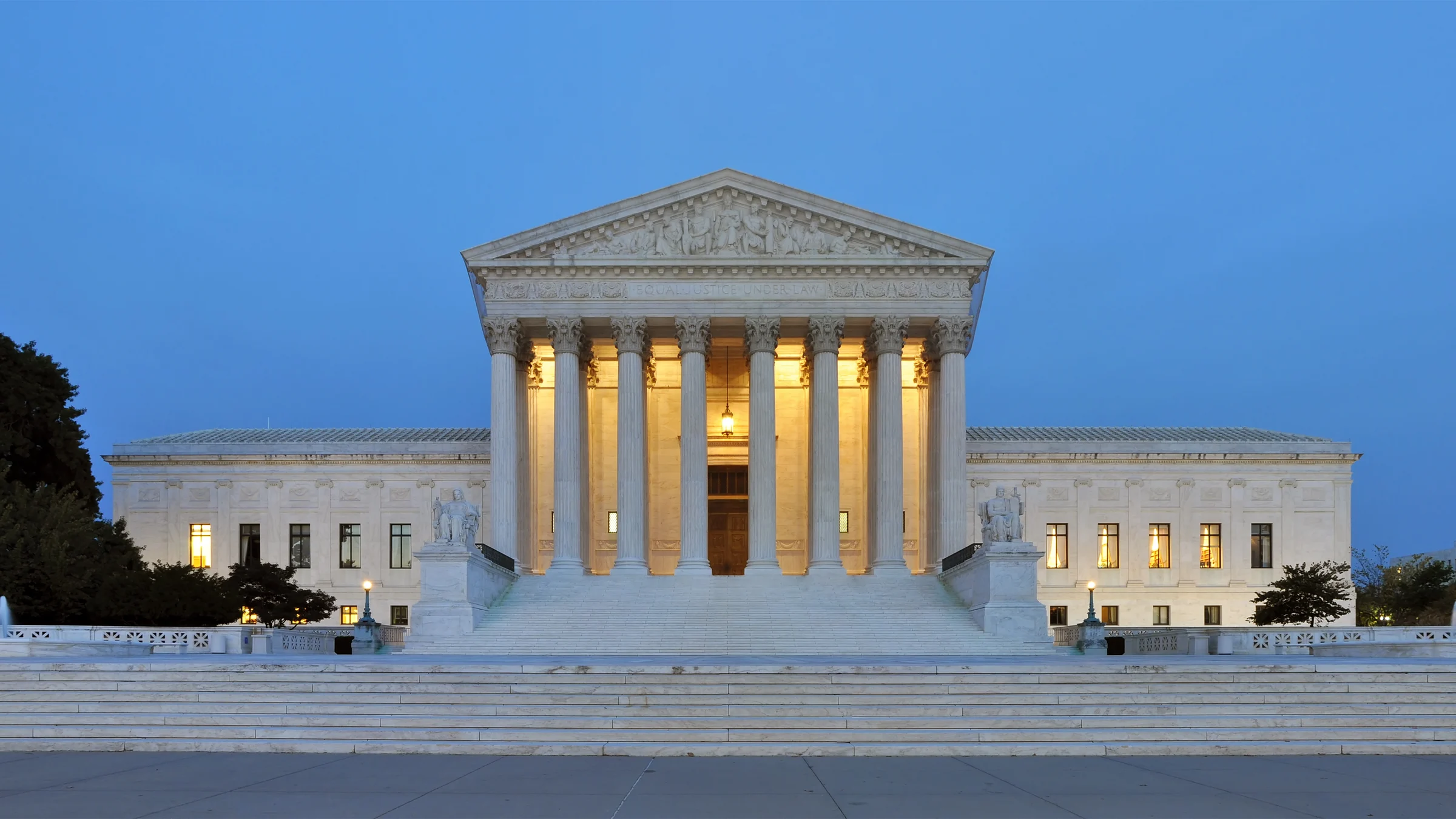
The US Supreme Court on Monday quickly rejected a bid by President Donald Trump’s administration to temporarily stop California counting mail-in ballots from more than 20,000 registered voters whom federal officials allege are likely not US citizens, Geo News reported, citing Reuters. The ruling came on the eve of the midterm elections.
A one-sentence order
The justices denied the Justice Department’s emergency request just hours after it was filed. The court’s brief, one-sentence order gave no reason, as is common with emergency matters, and no justice publicly dissented. It also did not ask California for a response, a step that usually signals serious consideration of a request. The wider election-day background is in our report on Americans voting in the midterms.
California Governor Gavin Newsom called the decision “a welcome sight for all Americans given the disgusting and dangerous attacks on our democracy by the federal government.” “Tomorrow, Californians can feel secure in knowing the state will carry out a free and fair election,” he said.
The administration had asked the court to order California to separate any ballots cast by people on the Department of Homeland Security’s list from other ballots and not to count them until those voters were shown to be citizens. “Once California commingles the challenged ballots with lawful ones, there is no way to get the challenged ballots back,” it argued. A federal appeals court had refused the same request on Friday. Acting Deputy Attorney General Trent McCotter said the administration would “continue pursuing every available legal avenue”.
Chutkan’s separate ruling
On the same day, US District Judge Tanya Chutkan in Washington temporarily barred the Justice Department and the Department of Homeland Security from:
- sending states lists of registered voters the administration says may not be citizens, and
- asking state election officials to separate those voters’ ballots or not count them until citizenship is proven.
Critics say the plan risks disenfranchising eligible voters and infringes on states’ authority over elections. The plaintiffs, voting rights and privacy advocates, said the administration was violating the Privacy Act of 1974. Chutkan said the administration’s data may not be reliable, so there was a risk that lawfully registered voters would be disenfranchised. The Justice Department argued that its letters to California and Washington state were part of enforcing a federal law and not a policy a court could review.
A split on prosecution threats
The administration did win one round on Monday. In a separate case, a panel of the 9th US Circuit Court of Appeals cleared the government to threaten state and local election officials with prosecution if they did not comply with demands about voting by alleged noncitizens. Chutkan is not bound by that ruling. Earlier, a federal judge in San Francisco had ordered the Justice Department to stop such threats.
The wider pattern
The Justice Department sued California on October 15. A federal judge in Los Angeles refused its request earlier this week, and a federal judge on Sunday dismissed its lawsuit over the Senate race in Alaska. The Supreme Court had also rebuffed an administration effort to restrict mail voting in September. Noncitizen voting is illegal and all available evidence shows it is exceedingly rare, Reuters noted, while Trump has falsely claimed that his 2020 defeat was due to fraud.
What we know, and what we don’t
- Known: the Supreme Court refused the emergency request without explanation, and Chutkan’s order bars sending the voter lists.
- Known: the 9th Circuit allowed prosecution threats in a separate case, so the legal picture is mixed.
- Unknown: whether the administration will go back to court after election day, or challenge results.
- Unknown: how many of the 20,000 people on the list, if any, are not citizens; courts have questioned the data.
Why it matters
The rulings mean California’s ballots will be counted as usual and that states will not receive federal lists of suspected noncitizens before the count. They also show that, on the eve of an election, the courts have so far refused to let the executive branch change how votes are counted. How the administration responds to the results will be the next test.
This article draws on reporting by Geo News and The Express Tribune, citing Reuters.
Comments
Comments are reviewed by our editors before they appear. Please keep them civil and on topic. See our terms.
No comments yet. Be the first to share your view.