
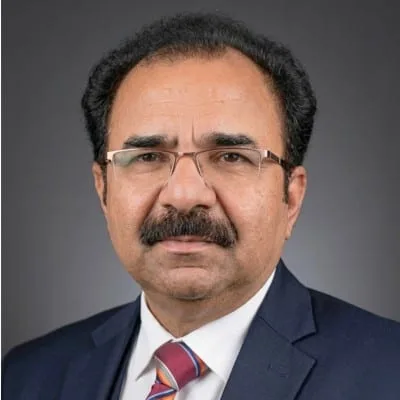
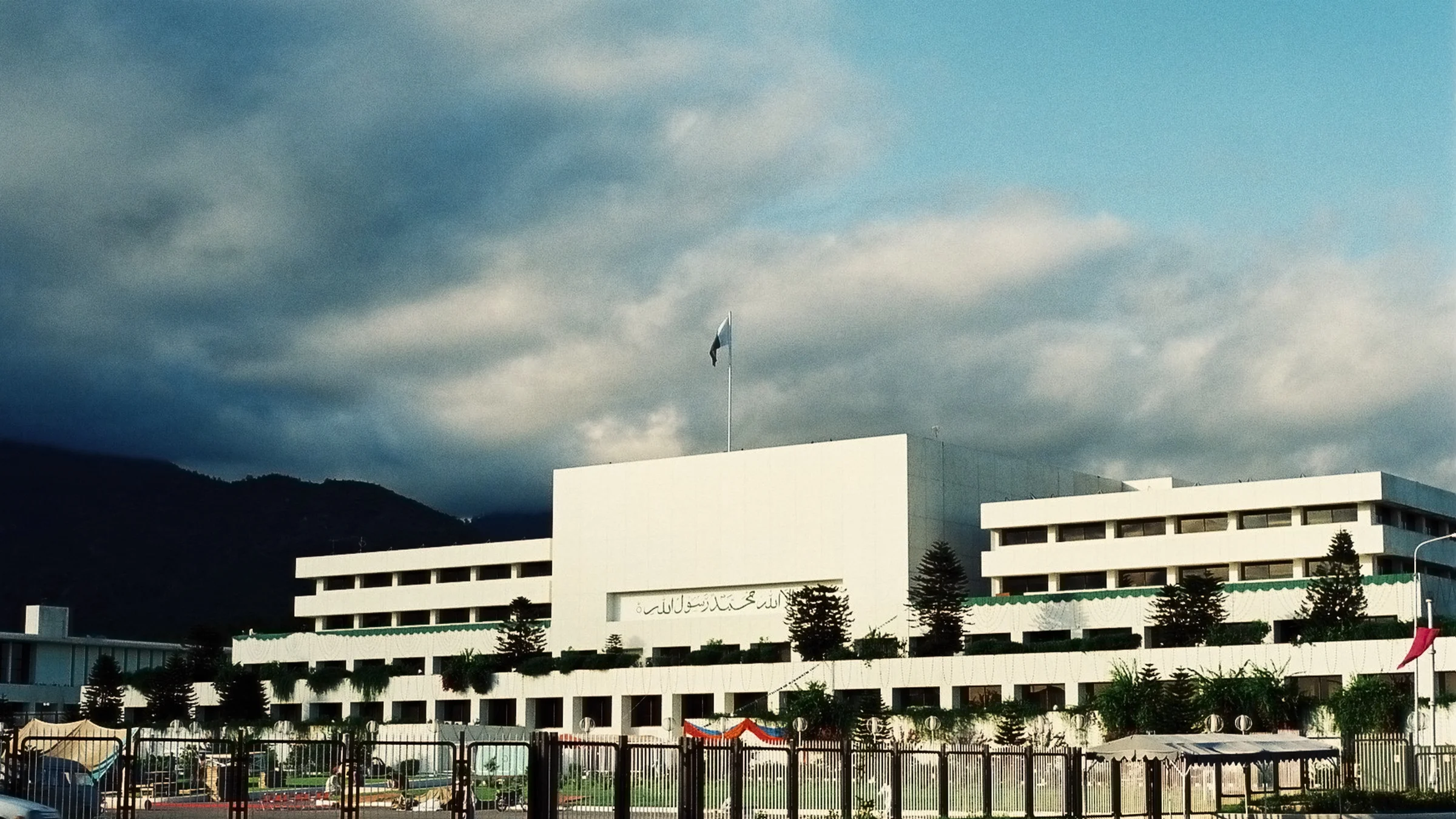
The government on Monday formally asked its allies, the PPP and the MQM, to name their representatives for a proposed Parliamentary Committee on Electoral Reforms (PCER), taking ownership of an initiative to bring all parliamentary parties, including the opposition, to the negotiating table, Dawn reported.
Federal Minister for Parliamentary Affairs Tariq Fazal Chaudhry wrote separate letters to the National Assembly chief whips of the two parties, the PPP’s Ijaz Jakhrani and the MQM’s Aminul Haq, asking for nominations. The PPP has already submitted the names of its legislators, though they have not been made public.
How the seats are split
Chaudhry told Dawn that National Assembly Speaker Sardar Ayaz Sadiq had received the PPP’s names, and that the government would announce the full membership later. The agreed formula gives one seat for every 16 members of the National Assembly:
- PML-N: nine members
- PPP: five members
- MQM: one member
Smaller allies of the ruling coalition do not qualify for seats under the criteria. The PML-N therefore decided to give one seat each to its smaller allies, including the Balochistan Awami Party (BAP) and the Pakistan Muslim League-Zia (PML-Z), from its own quota of nine.
The opposition’s part
Asked whether the government would approach the opposition directly, Chaudhry said the PPP had already contacted opposition parties and that they now had to send the names of their representatives to the National Assembly speaker. He said he would begin meeting parliamentary leaders of all parties from Tuesday to obtain nominations. The government wants the opposition to join, saying the committee would open the door to consultation on other important national issues. For the PPP’s earlier outreach, see our report on the PPP delegation inviting the opposition.
“Pinching us” in legislation
The minister said the initiative had been taken by the speaker, not the PPP, and that the PPP could meet opposition leaders only “as a political move” with no mandate beyond that. He acknowledged that the PPP was creating difficulties for the government in legislative business: “The PPP is pinching us in making legislation, but the party cannot keep itself away from the system.” He also said there was no reason to think the PML-N-led government would not complete its five-year term.
What we know, and what we don’t
- Known: the government has asked the PPP and MQM for nominees, and the seat formula is nine, five and one.
- Known: the PPP has sent names to the speaker; the opposition has yet to name members.
- Unknown: whether the opposition, including PTI, will take part; the report does not say that any opposition party has agreed.
- Unknown: the committee’s terms of reference and deadline, and when members will be announced.
Why it matters
A committee with representation from all sides is one way to try to settle disputes over how elections are run. The seat formula favours the largest parties, and smaller parties and independents will have little say unless they are given a place through an ally. The government’s open acknowledgement of friction with the PPP also shows that its main coalition partner is a harder ally to manage than the formal arrangement suggests. Whether the opposition joins will decide whether the committee is a real negotiation or a talk among allies.
This article draws on reporting by Dawn.
Comments
Comments are reviewed by our editors before they appear. Please keep them civil and on topic. See our terms.
No comments yet. Be the first to share your view.