
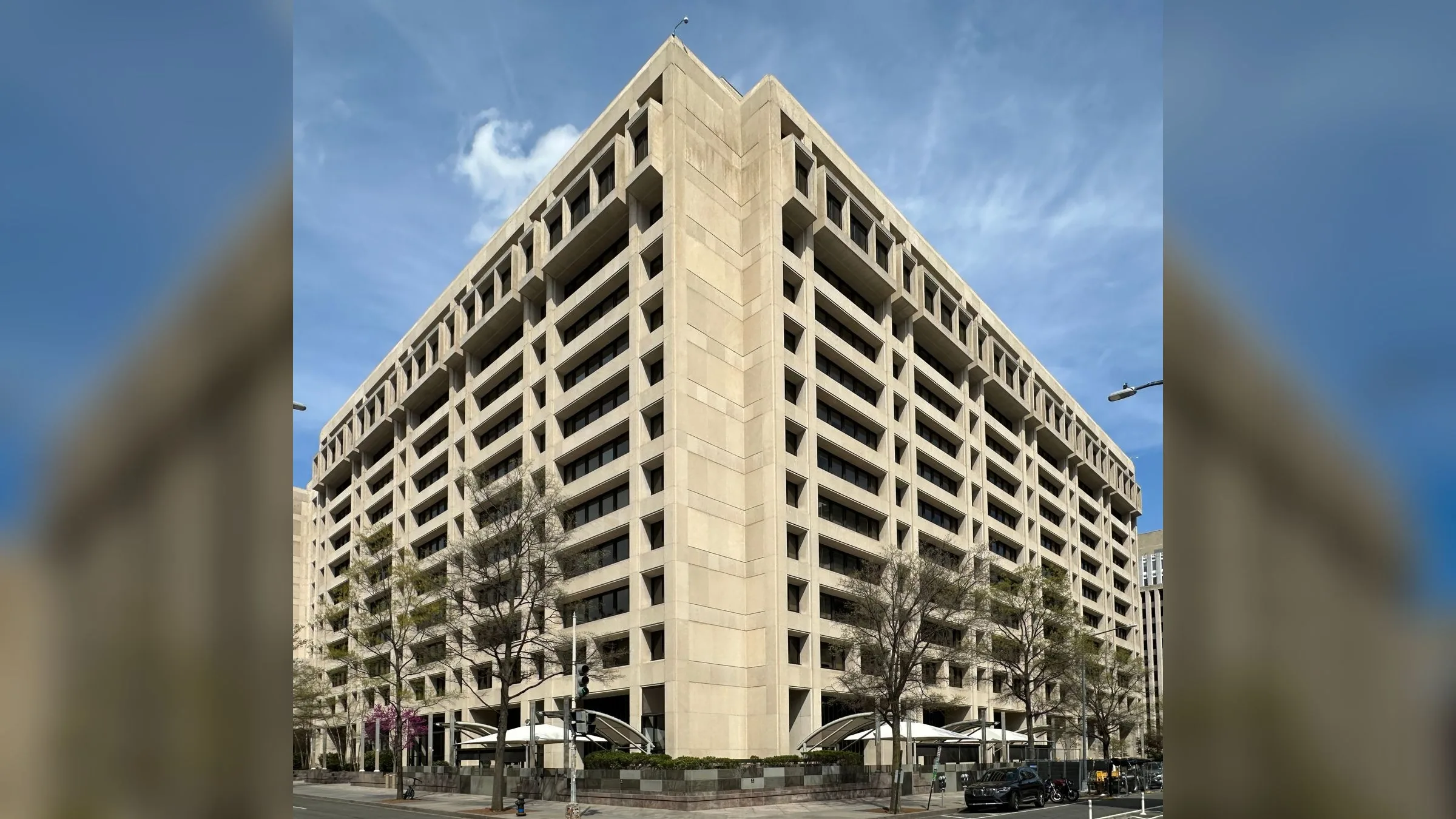
The International Monetary Fund (IMF) on Thursday forecast a sharp fall in economic output this year across the Middle East, North Africa and Pakistan region because of the US-Israeli war on Iran, followed by a rebound to 6.6 per cent growth in 2027, Dawn and The Express Tribune reported, citing Reuters.
The IMF said output in the region is expected to contract by 1.3pc as a result of the war’s impact on energy production, shipping, tourism, trade and confidence. The forecast is for the IMF’s regional grouping as a whole, which includes Pakistan, rather than a figure for Pakistan alone.
Output will then rise sharply in 2027, with growth of 6.6pc, the IMF said, but will generally stay below the levels it projected before the war.
Exporters hit harder than importers
The war’s impact has been substantial but uneven, the IMF said in its Regional Economic Outlook, released in Dubai:
- Oil exporters have been hit harder, because they are directly affected by disruptions to energy production and shipping.
- Oil importers, a group that includes Pakistan, have proved more resilient. Their domestic demand has been supported by remittances and tourism, favourable financial conditions and quick policy steps to shield consumers from higher commodity prices.
The risks
The IMF’s baseline assumes the conflict eases in early 2027 and trade gradually returns to normal during the year. But it said the outlook is clouded by “exceptionally high uncertainty”.
“The main risks derive from further disruption to energy production and trade routes that could drive energy prices higher,” the IMF said.
External financial conditions could also tighten, it warned, if investors reassess the productivity gains expected from artificial intelligence, and if interest rates rise further amid concern over inflation and government finances.
Central Asia steadier
Growth in the Caucasus and Central Asia is slowing towards a more sustainable pace, the IMF said, forecasting growth of 5.2pc in 2026 and 5pc in 2027.
Pakistan’s own reform test
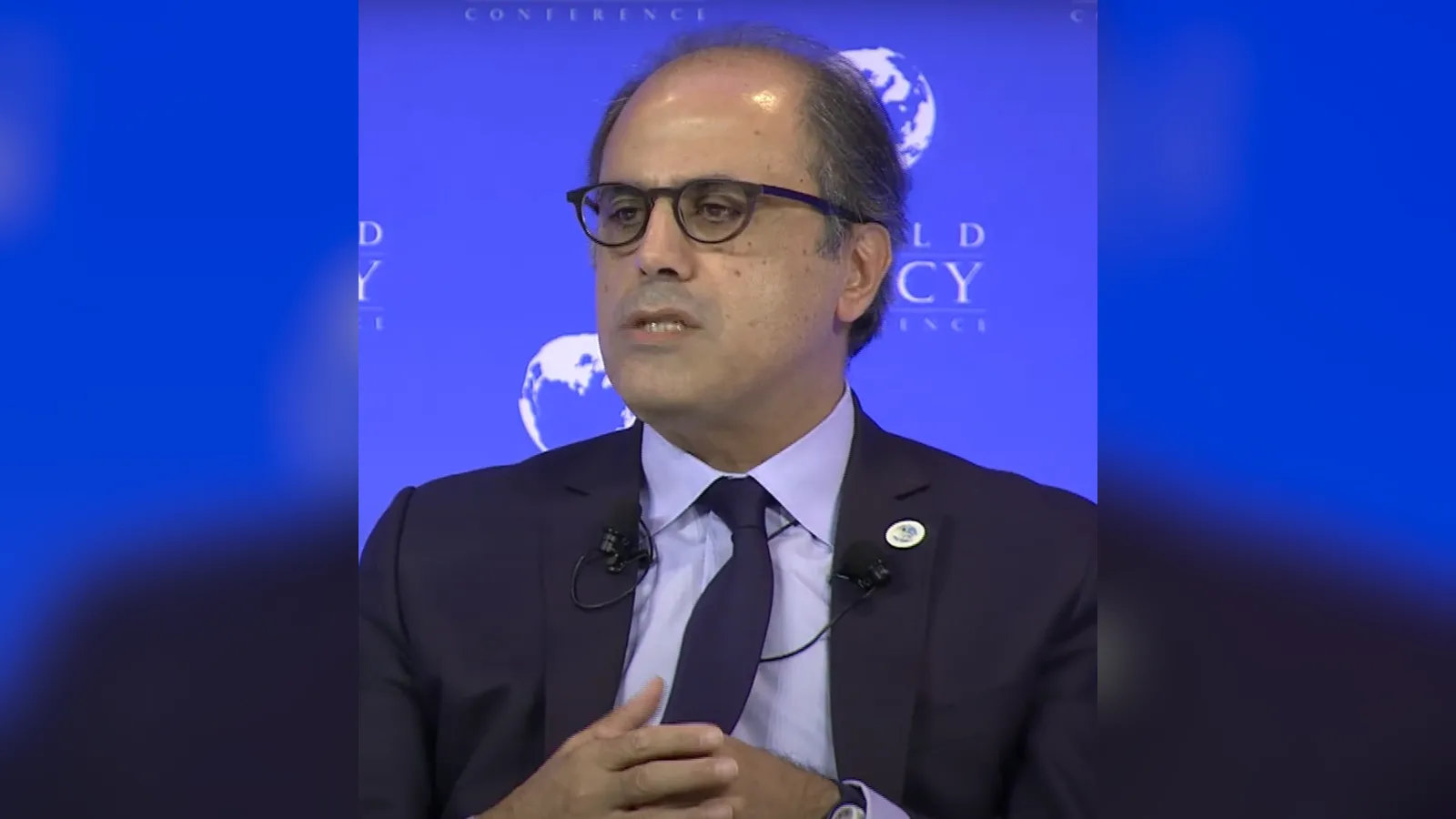
The IMF has been pressing Pakistan to focus on growth as well as on stability. Earlier this week, its Middle East and Central Asia director, Jihad Azour, said Pakistan’s fiscal policy must go beyond primary balance targets to make room for investment, as President Asif Ali Zardari pledged further reforms.
The IMF’s advice
The Fund repeated the message it delivered at last week’s annual meetings, urging governments to:
- keep prices stable
- protect the sustainability of public finances
- maintain central bank independence
- carry out structural reforms that raise productivity and create jobs
What it means for Pakistan
The outlook comes as Pakistan feels the war through fuel and gas prices. Brent crude rose above $110 a barrel on Thursday after the US ordered staff out of Saudi Arabia, and analysts expect inflation to reach about 10pc in October, with the State Bank due to decide on interest rates on October 26.
Separately on Thursday, the World Bank said Pakistan could triple its incomes by 2050 if it speeds up reforms, after growth picked up to 3.7pc in FY26.
Comments
Comments are reviewed by our editors before they appear. Please keep them civil and on topic. See our terms.
No comments yet. Be the first to share your view.