
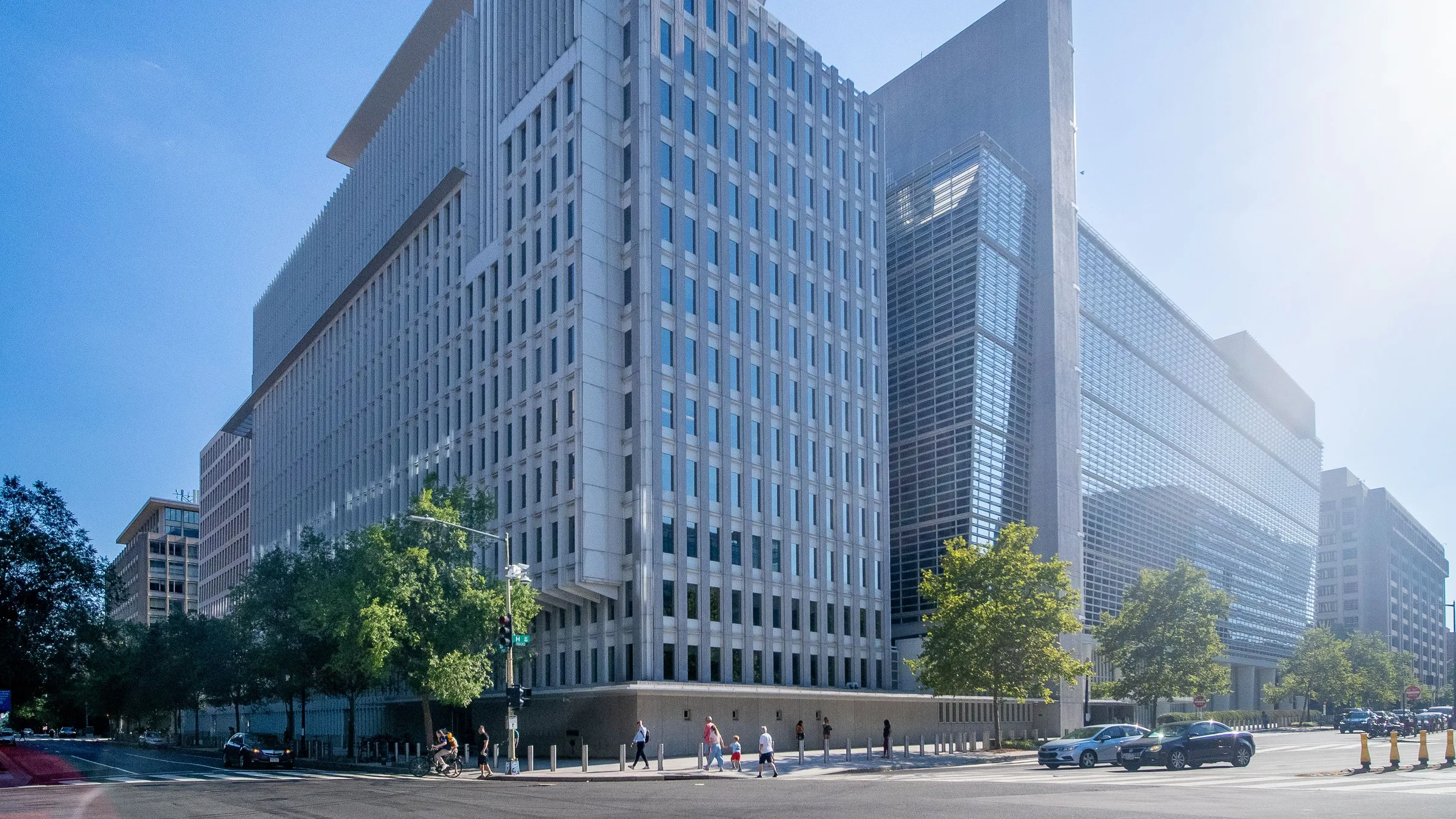
Pakistan’s incomes could triple by 2050 if the country speeds up structural reforms, according to the World Bank’s latest Pakistan Development Update, titled “Attaining Escape Velocity”, Dawn reported.
The report says that with its economy now stabilised, Pakistan has a chance to achieve faster, sustained growth and create more jobs.
Stability achieved
Sound economic policies in recent years have stabilised the economy and protected growth despite the impact of the Middle East conflict, the report says:
- Growth: real GDP growth rose to 3.7pc in FY26 from 3.2pc in FY25.
- Budget: higher revenue and spending restraint produced a record primary fiscal surplus of 2.9pc of GDP in FY26.
- Reserves: strong remittances helped rebuild foreign exchange reserves.
- Ratings: S&P and Moody’s upgraded Pakistan, and the country returned to international debt markets with a $3 billion Eurobond.
But incomes are barely rising
“Pakistan has made real progress in restoring stability, and markets have taken notice,” said World Bank Country Director Bolormaa Amgaabazar.
“But real per capita growth, the rate at which the income of the average Pakistani increases, remains stuck at around 1.6pc. Reforms to drive faster growth are now urgently needed,” she said.
The path to 2050
The report says faster growth is possible if Pakistan follows other countries that pursued ambitious reforms. Upgrading its policies and institutions to the standard of the average middle-income country could drive growth of 6.2pc to 6.9pc a year, allowing Pakistan to reach Vietnam’s current income level by 2050.
“With macro stabilisation achieved but fiscal resources and foreign exchange still tightly constrained, structural reform to encourage private investment is the necessary next step towards higher living standards,” said the report’s lead author, Sebastian Essl.
“Achieving this kind of private-sector-led growth requires a plan, coordination, and committed reform implementation,” he said.
Building on reforms already under way
Many of the proposed measures build on steps already taken, the report says, including:
- timely changes to power tariffs, which cut energy subsidies from 1.1pc of GDP in FY25 to 0.8pc in FY26
- continued trade liberalisation under the National Tariff Policy
- the recent privatisation of Pakistan International Airlines
Further progress, it says, depends on improving the business environment, overhauling the tax system, reducing the state’s role in the economy and widening access to finance.
The World Bank in Pakistan
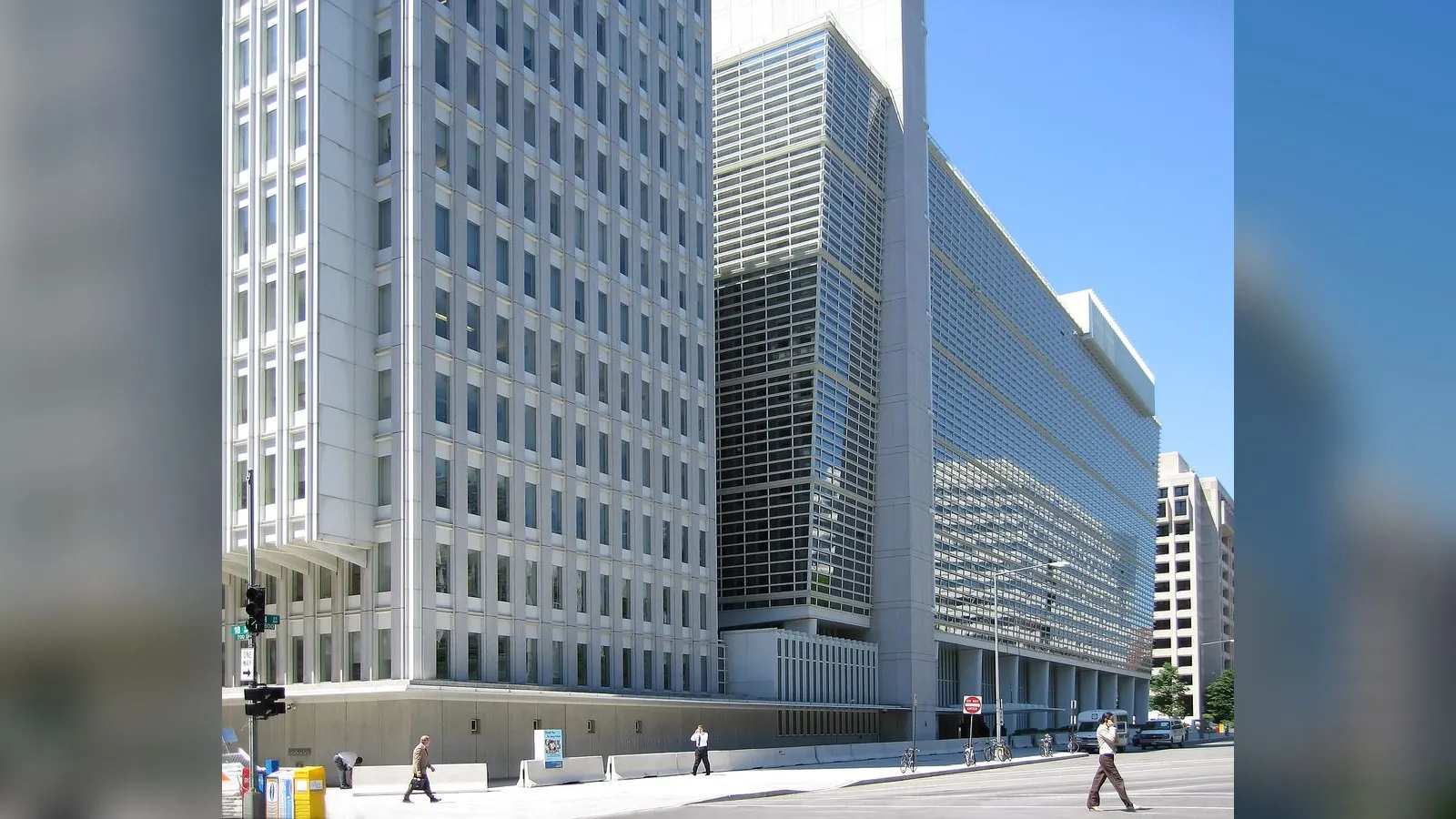
Pakistan has been a World Bank member since 1950 and has received about $52 billion in assistance since then, the bank said. Its current portfolio has 47 operations worth about $16.1 billion. The bank’s private-sector arm, the IFC, has invested and mobilised around $22 billion in Pakistan since 1959, and its current commitments stand at $1.6 billion across 55 projects.
A tougher near-term outlook
The report came on the same day the IMF warned that its regional grouping, which includes Pakistan, would see output contract 1.3pc this year because of the Iran war. Exporters, meanwhile, have been warning that energy and tax costs are hurting competitiveness, and the government has formed a committee to review the gas levy.
Comments
Comments are reviewed by our editors before they appear. Please keep them civil and on topic. See our terms.
No comments yet. Be the first to share your view.