

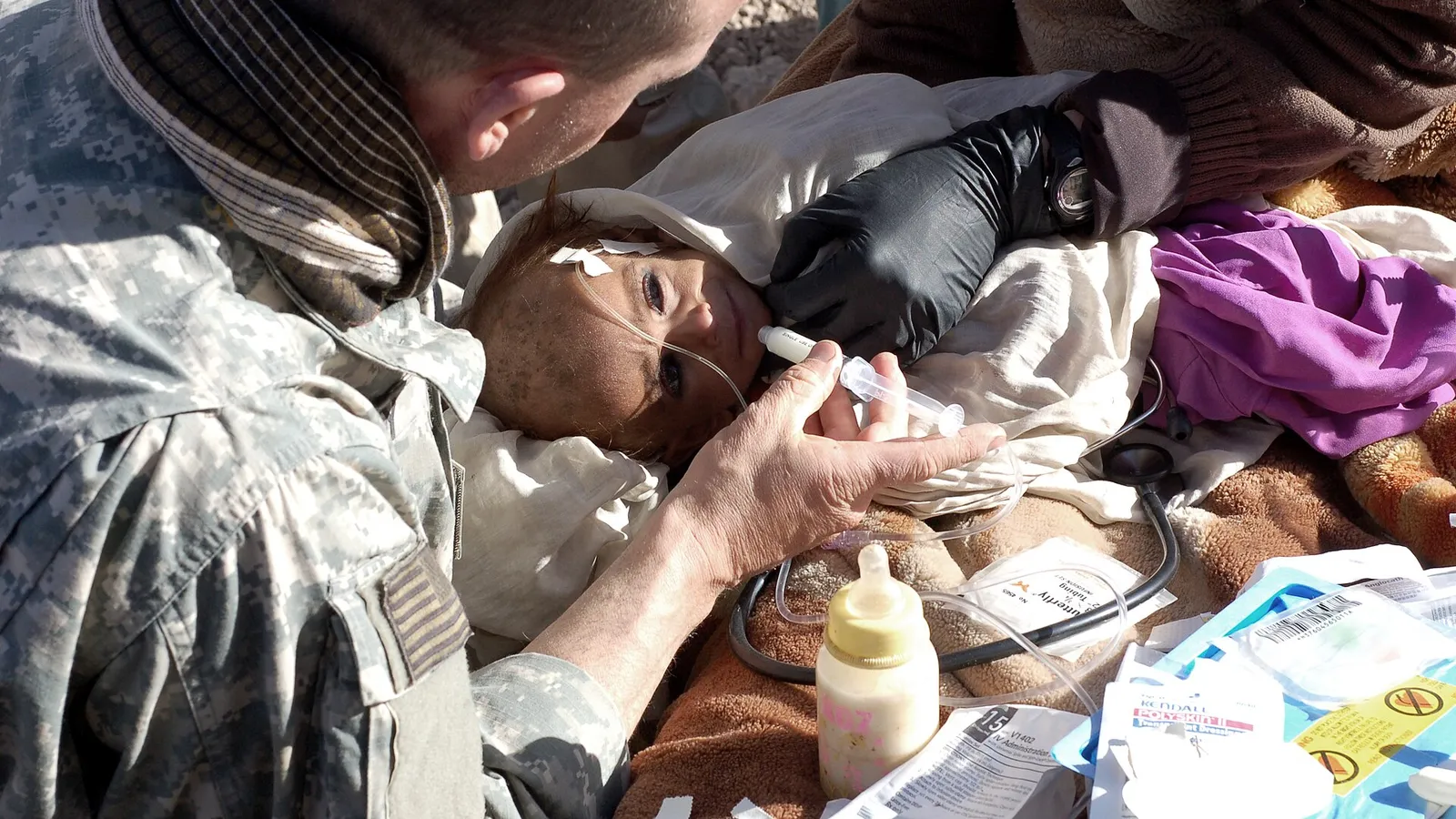
Acute malnutrition and hunger in Afghanistan have reached the highest levels ever recorded, with 15.9 million people facing acute food insecurity and conditions set to worsen this winter, a global hunger monitor said on Thursday.
The findings come from the Integrated Food Security Phase Classification (IPC), which recorded record acute malnutrition levels for the August to October period, Dawn reported.
The numbers
- Crisis or worse: more than 32 percent of the population is in phase three or above
- Emergency: 3.4 million people are in phase four
- Winter outlook: from November to April, nearly 19.2 million people are projected to face phase three or above, including 5 million in emergency conditions
- Children: 4.04 million children under five are projected to need treatment for acute malnutrition in 2027
The deterioration is driven by disease outbreaks and poor water, sanitation and hygiene, along with sharply reduced access to nutrition services. Better rainfall and harvests have helped food availability, but falling humanitarian aid is reducing families’ ability to cope.
“A window to act”
The World Food Programme and the Food and Agriculture Organisation called for urgent funding for food aid, emergency farm support and malnutrition treatment.
“We still have a window to act, but it is closing fast,” said WFP country director John Aylieff. “With urgent support, families can get through the winter with dignity. Without it, many will face impossible choices no parent should have to make.”
FAO representative Richard Trenchard said families needed dependable ways to earn a living to withstand the next shock, as well as help to get through the winter.
UN agency heads have called for emergency support to stem the crisis.
Rights under pressure
A separate UN Assistance Mission in Afghanistan (UNAMA) report said basic rights continued to erode between July and September, with women and girls bearing the brunt:
- Education: girls remain barred from school beyond grade six; asked about the ban, a Taliban spokesperson said issues had to be considered from the perspective of Sharia law
- Hijab: more than 50 cases, mostly in Herat and Kabul, including a 13-year-old girl held overnight
- Movement: women were blocked from clinics and markets without a male guardian
- Morality police: at least 443 cases and 97 incidents of ill-treatment by virtue and vice inspectors
- Punishments: public lashings of 22 men and six women
- Protests: a new police law published in August bans all demonstrations
UNAMA also recorded the arrest of 14 former security force members and the killing of at least four others. Several media outlets were suspended without clear reasons or a way to appeal, and a journalist arrested in July 2025 remains in custody without conviction.
Why it matters
Afghanistan’s people are paying the price for the Taliban’s policies and falling aid. The hunger and the restrictions on women go together: when girls cannot study and women cannot reach clinics, families have even fewer ways to survive. Read our reports on Pakistan’s own hunger score and on the Afghan Taliban’s drone campaign against Pakistan.
This article draws on reporting by Dawn.

Comments
Comments are reviewed by our editors before they appear. Please keep them civil and on topic. See our terms.
No comments yet. Be the first to share your view.