
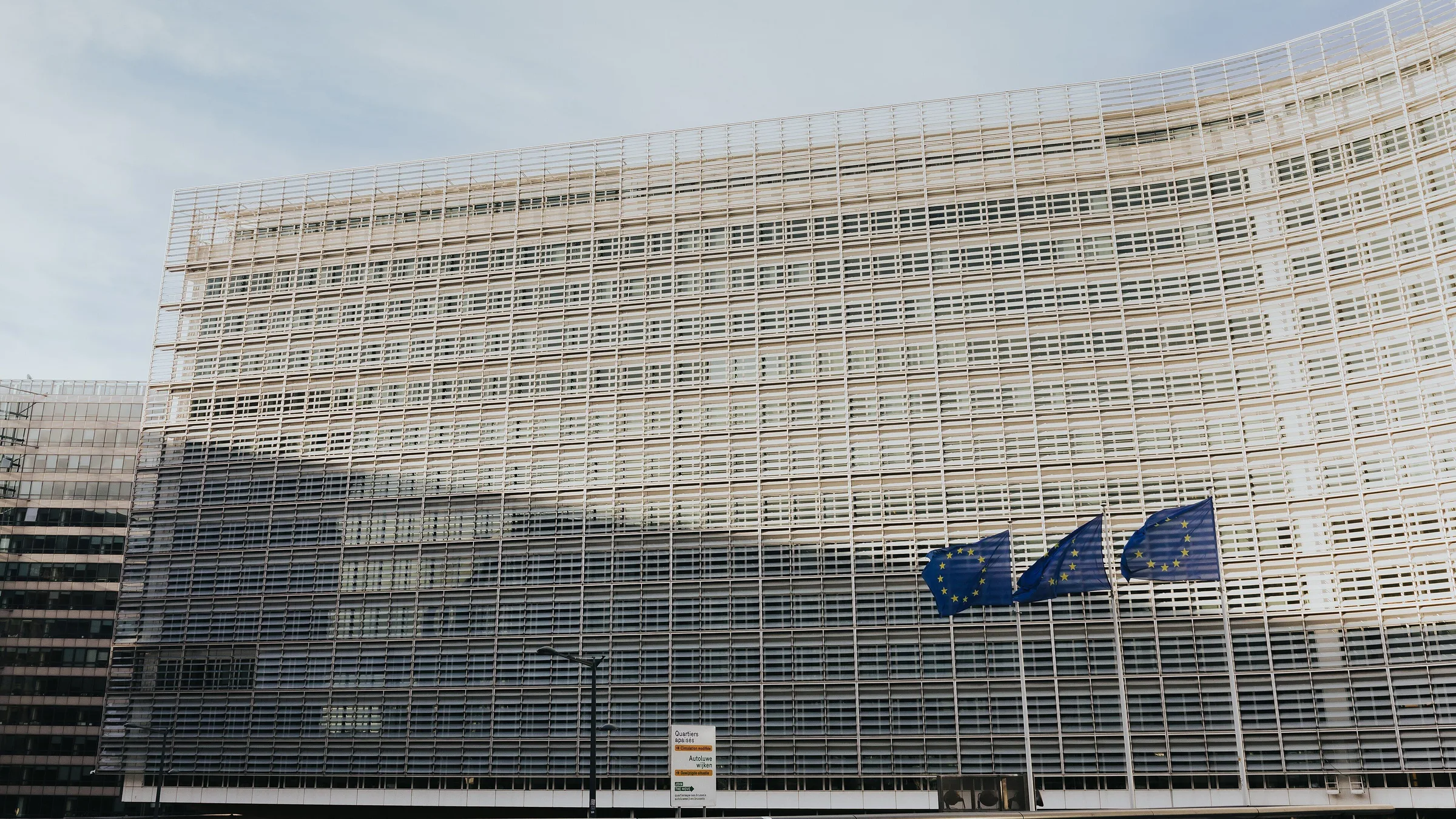
Pakistan will have to apply for a fresh Generalised Scheme of Preferences Plus (GSP+) arrangement with the European Union from January 2027, after the current framework expires in December 2026, Geo News reported, citing The News.
GSP+ gives eligible developing countries reduced or zero tariffs on many exports to the EU, in return for implementing international conventions on human rights, labour rights, the environment and good governance. It has been central to Pakistan’s exports to Europe, especially textiles.
Pakistan has been a GSP+ beneficiary since 2014. To keep the status, it must show progress in implementing 27 international conventions, and the EU reviews its record regularly.
The timeline
- December 2026: the current GSP+ framework expires.
- January 1, 2027: the new GSP+ regulation comes into force. Any country, including current beneficiaries such as Pakistan, can apply after this date.
- January 1, 2027 to December 31, 2028: a two-year grace period during which current beneficiaries, including Pakistan, keep their existing benefits while the European Commission and Parliament finalise the new arrangements.
For Pakistan, the stakes are high. Losing the preference would mean higher EU tariffs on many of its exports, while keeping it depends on showing the EU continued progress on the conventions it has signed. The two-year grace period gives Islamabad time to prepare its application and address any compliance gaps.
“Hectic lobbying” needed
“Pakistan will have to ensure hectic lobbying and enhance its capacity for strict compliance requirements to qualify for the next GSP+, as Islamabad will formally apply for the new scheme in the aftermath of January 2027,” The News reported, citing top official sources.
To keep its eligibility under the revised rules that take effect in 2027, Pakistan must address several priorities linked to its international commitments, the sources said.
EU envoy meets textile leaders
EU Ambassador Raimundas Karoblis met the leadership of the Pakistan Textile Council in Karachi to discuss GSP+ and future trade relations. He stressed the need for effective implementation of Pakistan’s existing international commitments if it wants to keep GSP+ benefits.
Dar’s push in New York
Last month, Deputy Prime Minister and Foreign Minister Ishaq Dar raised GSP+ with the EU’s foreign policy chief, Kaja Kallas, on the sidelines of the UN General Assembly on September 21, according to the Foreign Office.
Dar stressed the “centrality” of GSP+ to Pakistan’s trade with the bloc and appreciated the EU’s constructive engagement during recent regional developments, including its recognition of Pakistan’s efforts towards de-escalation and dialogue.
Why it matters now
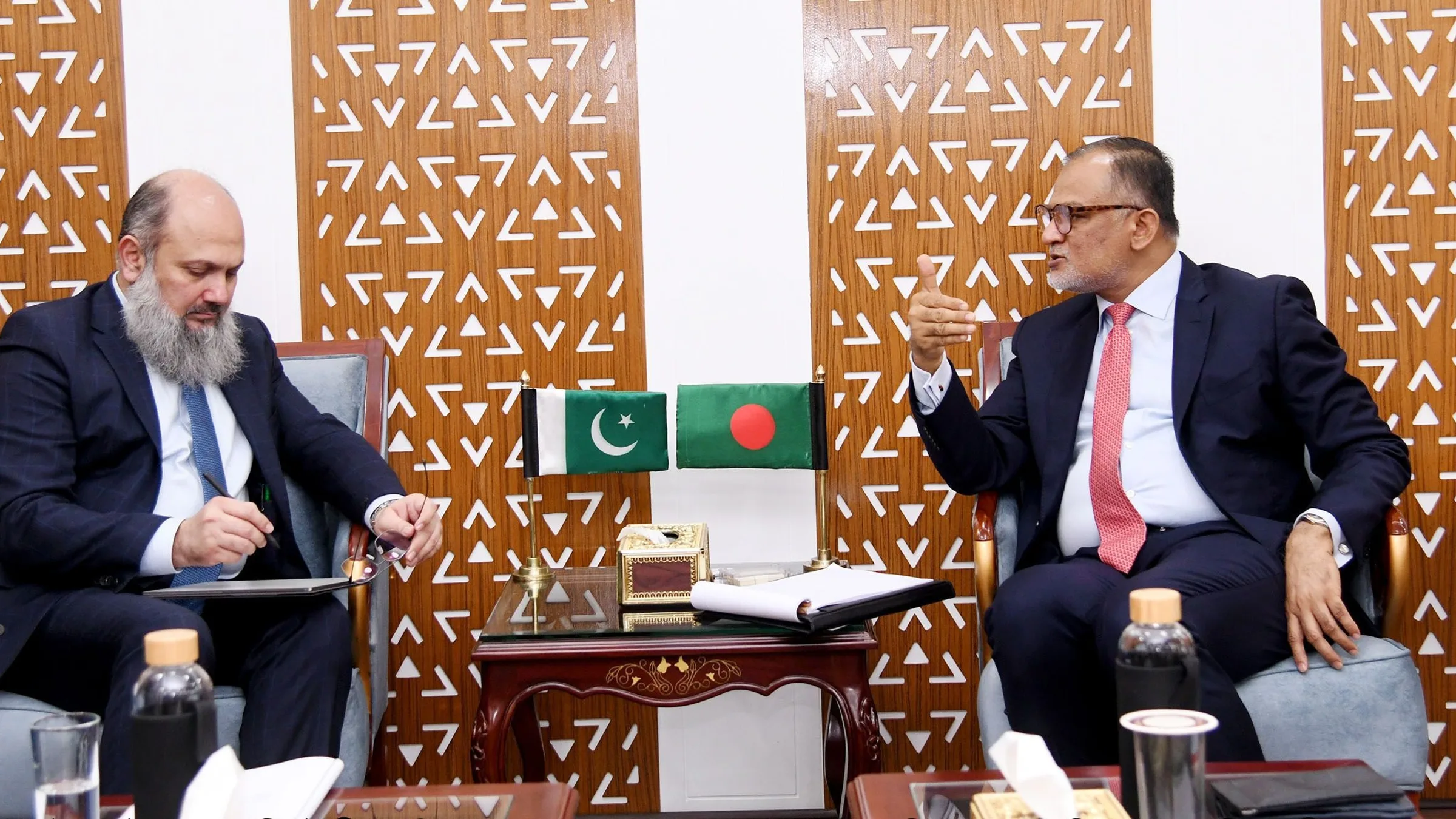
The renewal comes at a difficult moment for exporters. Cotton ginners and textile exporters have warned of losing competitiveness because of energy, freight and tax costs, and the government has formed a committee to review the gas levy. At a meeting of exporters and ministers chaired by Commerce Minister Jam Kamal Khan this week, participants discussed the importance of continued compliance with international commitments to protect GSP+ access to Europe.
Pakistan and the EU also met in Islamabad on Thursday for their annual counterterrorism dialogue.
Comments
Comments are reviewed by our editors before they appear. Please keep them civil and on topic. See our terms.
No comments yet. Be the first to share your view.