

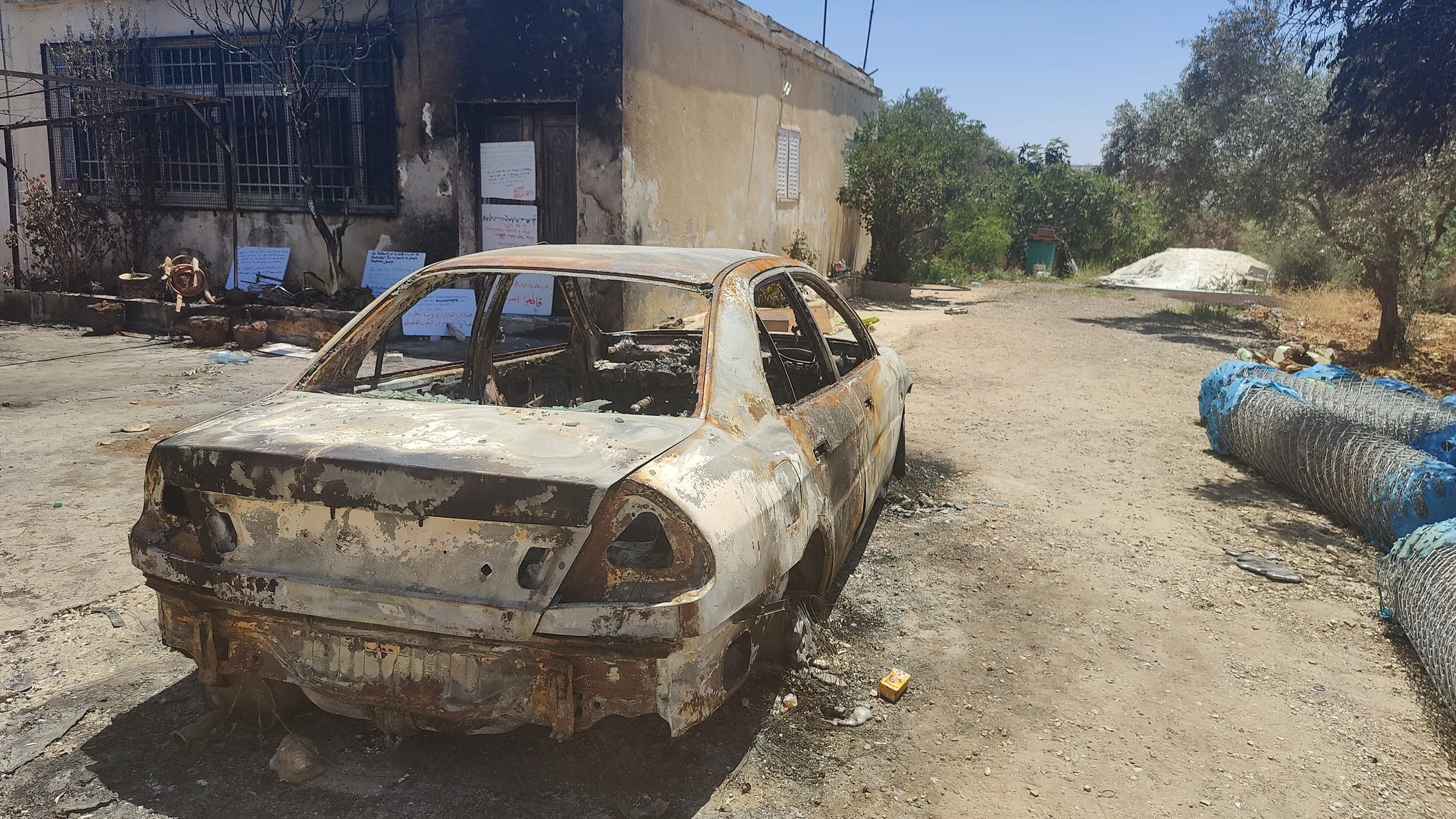
All but one of the suspects arrested over recent Israeli settler attacks on an American photojournalist and a visiting French mayor in the occupied West Bank have been released from detention and placed under house arrest, their lawyers said, Dawn reported, citing AFP.
Israeli police had announced on Monday, three days after the attack on the Washington Post photographer, the arrests of 10 people over the attacks in the occupied Palestinian territory, where violence by Israeli settlers is rising but perpetrators are seldom prosecuted.
“For show”
Honenu, a legal aid organisation that often represents Israeli soldiers and settlers, said all but one of the suspects had been released to house arrest.
Its lawyer, Assaf Gonen, defended the suspects and said the arrests had only been “for show”, and were “intended to satisfy media pressure and foreign interests”.
The attacks
- Heidi Levine: On Friday, the 65-year-old photographer, on assignment for The Washington Post, was taken to hospital with broken vertebrae after being beaten by settlers while covering the West Bank’s annual olive harvest.
- Jaafar Ashtiyeh: Ten days earlier, settlers beat an AFP photographer covering the harvest, who also needed hospital treatment.
- European diplomats: On Saturday, a day after the attack on Levine, settlers attacked a convoy of European diplomats and beat Bernard Baudoux, 78, the mayor of the French town of Aulnoye-Aymeries, who was on a goodwill visit.
Mixed messages from Netanyahu
The attacks on foreign journalists and diplomats drew international condemnation, but mixed messages from the Israeli government. Prime Minister Benjamin Netanyahu, who faces a tight election race, has tried to shore up his pro-settlement base and has cast doubt on the circumstances of the attacks on Westerners.
His tone drew unusually strong criticism from Israel’s opposition, which accused him of damaging the country’s image. Only one of the 10 people arrested remains in detention, according to the suspects’ lawyers.
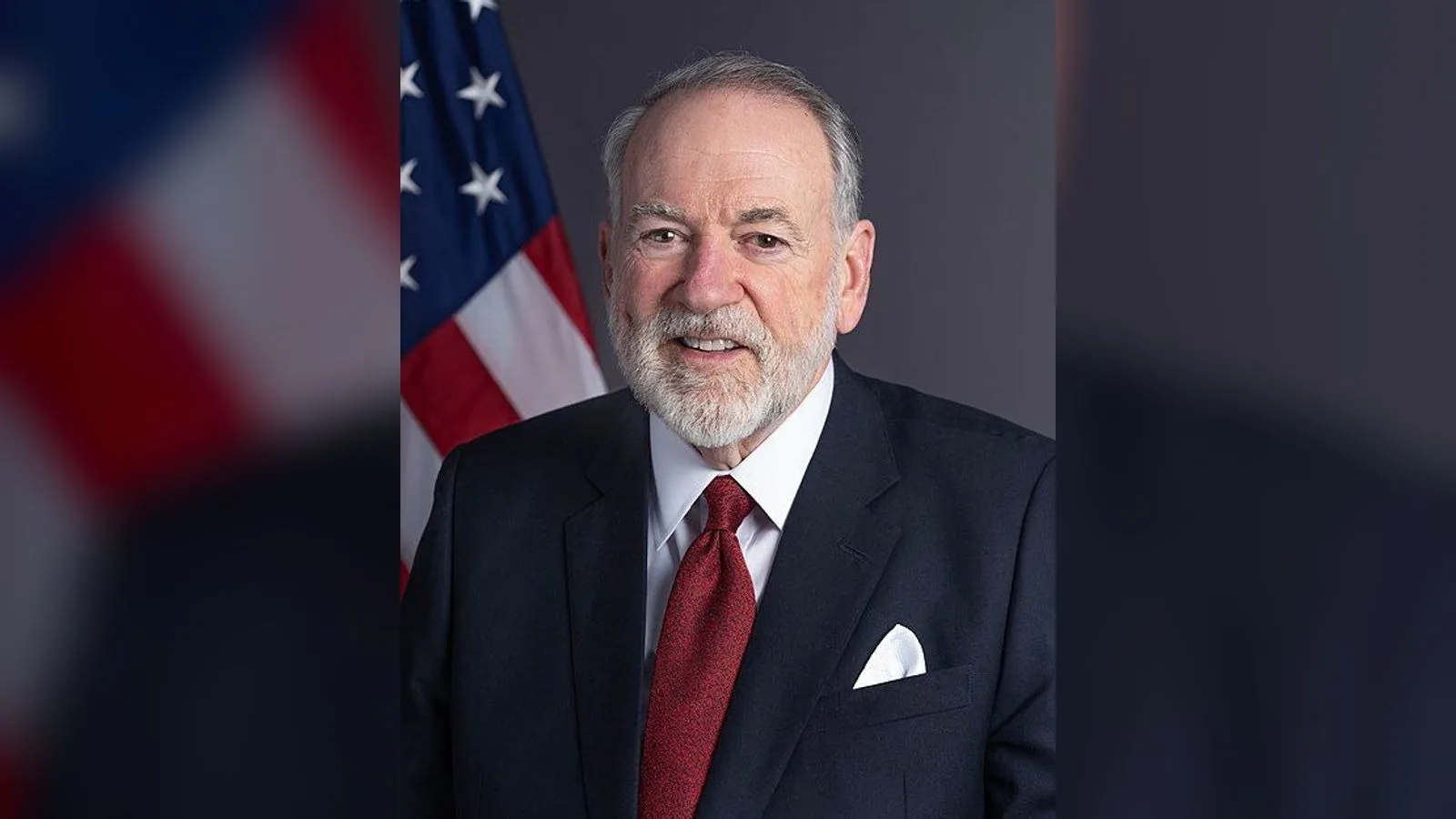
US Secretary of State Marco Rubio called on Netanyahu’s government last weekend to crack down on the violence.
Palestinians bear the brunt
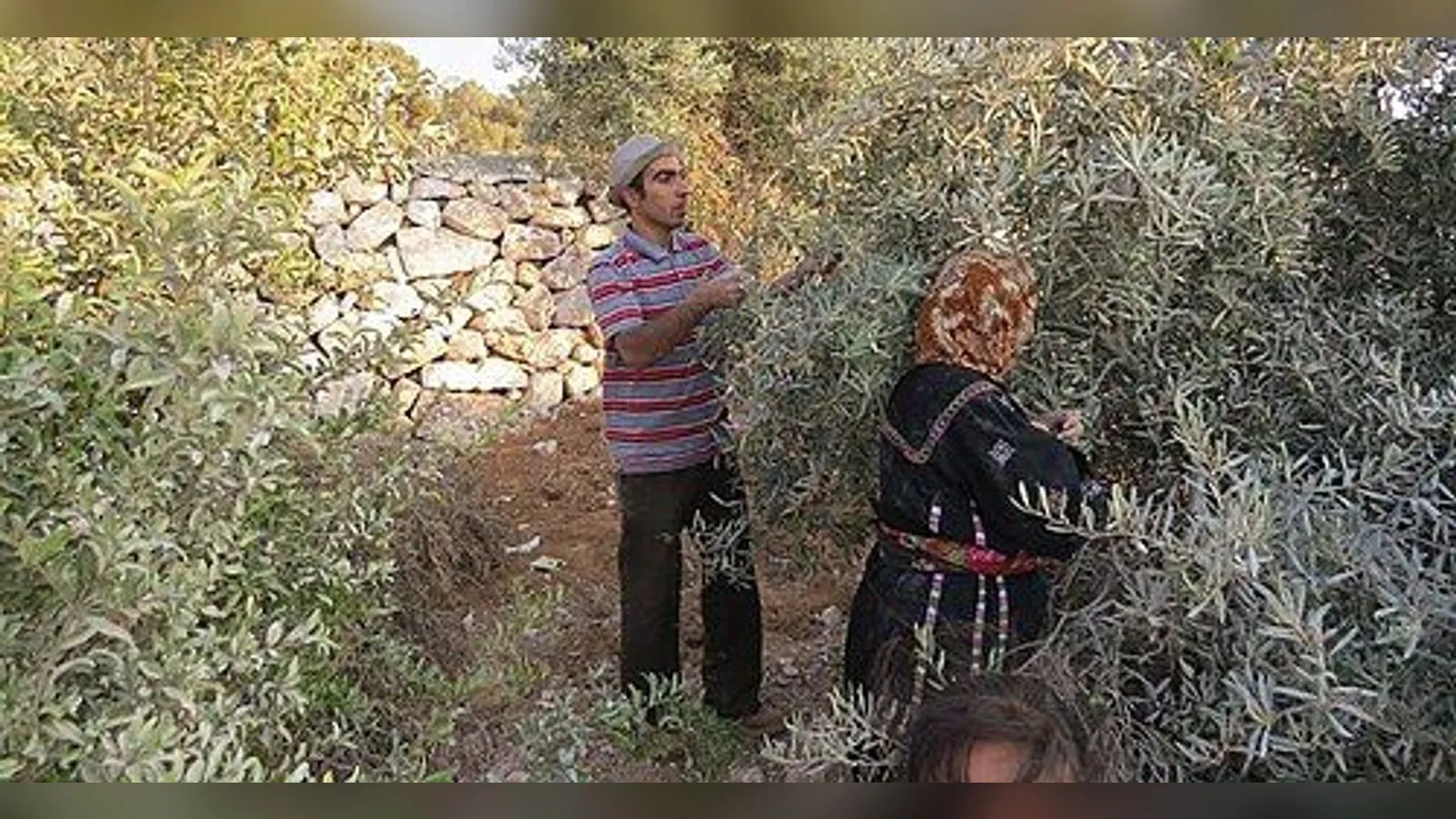
Violence has flared in the West Bank in recent months, with near-daily attacks, thefts or vandalism by settlers against Palestinians. Settlers have also been seizing olive groves owned by Palestinians, who see the trees as a symbol of their culture and identity.
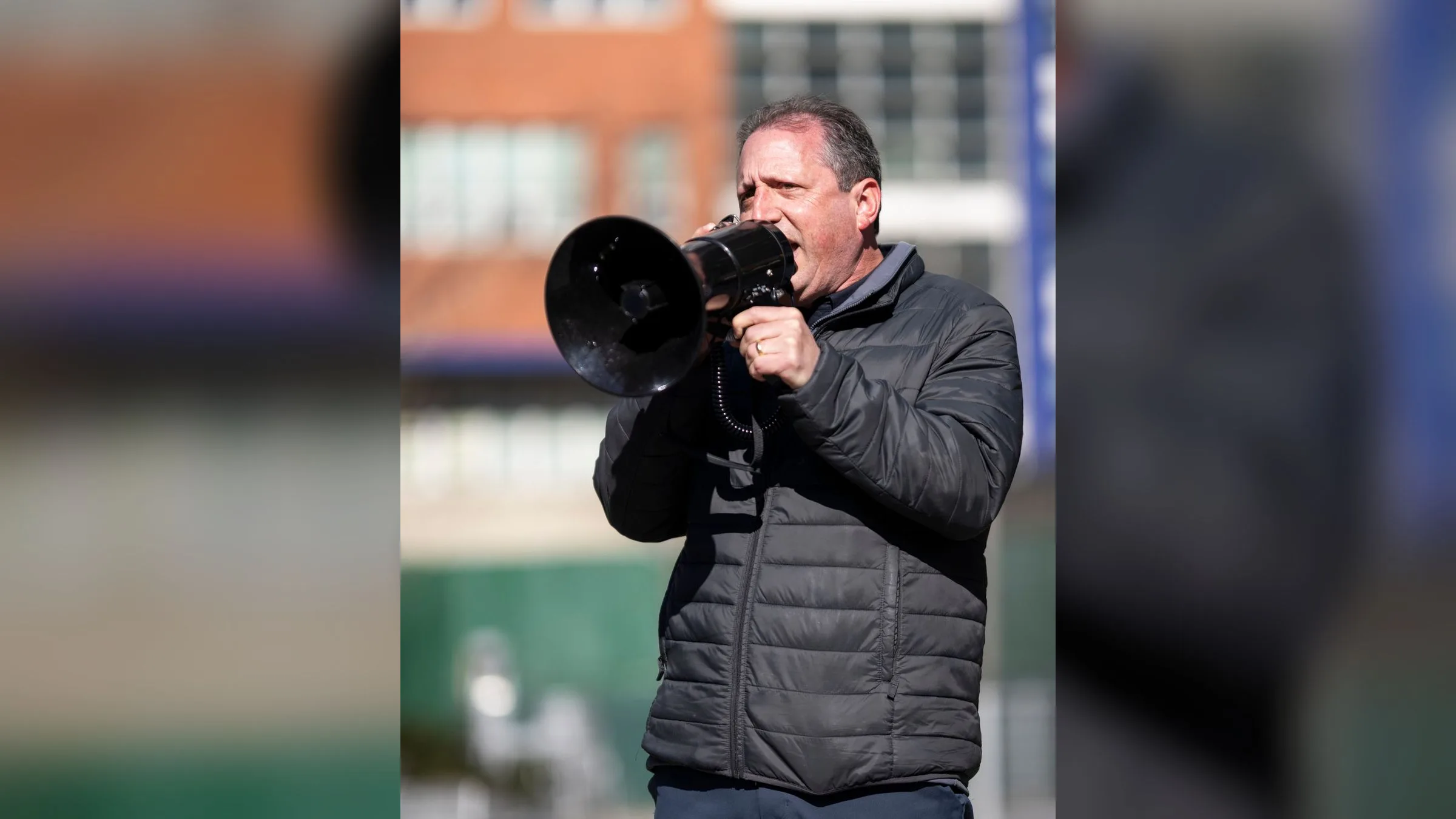
On Wednesday, Israeli forces also detained US congressional candidate Brad Lander, rabbis and more than 30 Americans who were helping Palestinians harvest olives near Bethlehem. Israeli forces were also photographed blocking roads to stop Palestinians from reaching their groves in the town of Turmus Ayya.
Olives are the backbone of Palestinian agriculture, a sector worth around 8pc of the economy and more than 60,000 jobs, according to the Palestinian Authority’s agriculture ministry, Reuters has reported. That is why rights groups and volunteers try to accompany farmers during the harvest.
Excluding east Jerusalem, around three million Palestinians live in the West Bank, which Israel has occupied since 1967, alongside more than 500,000 Israelis living in settlements that are illegal under international law.

Comments
Comments are reviewed by our editors before they appear. Please keep them civil and on topic. See our terms.
No comments yet. Be the first to share your view.