


Chinese President Xi Jinping told Oman’s Sultan Haitham bin Tariq al-Said that the Middle East and Gulf region “should not become an arena for great-power rivalry and geopolitical conflict”, as Beijing stepped up its diplomacy on the war involving Iran, The Express Tribune and Dawn reported.
Xi told the sultan, on a state visit to Beijing on Monday, that the world was undergoing profound changes. “Peace and stability in the region require joint nurturing and protection by all parties,” he said, according to China’s Foreign Ministry. China has “consistently been committed to stopping the war” and hopes to contribute “wisdom and solutions to resolving the region’s security dilemmas”, he added. He said China was willing to strengthen communication and coordination with Arab countries, including the Gulf Cooperation Council states, to restore peace and lasting stability.
A 20-point statement
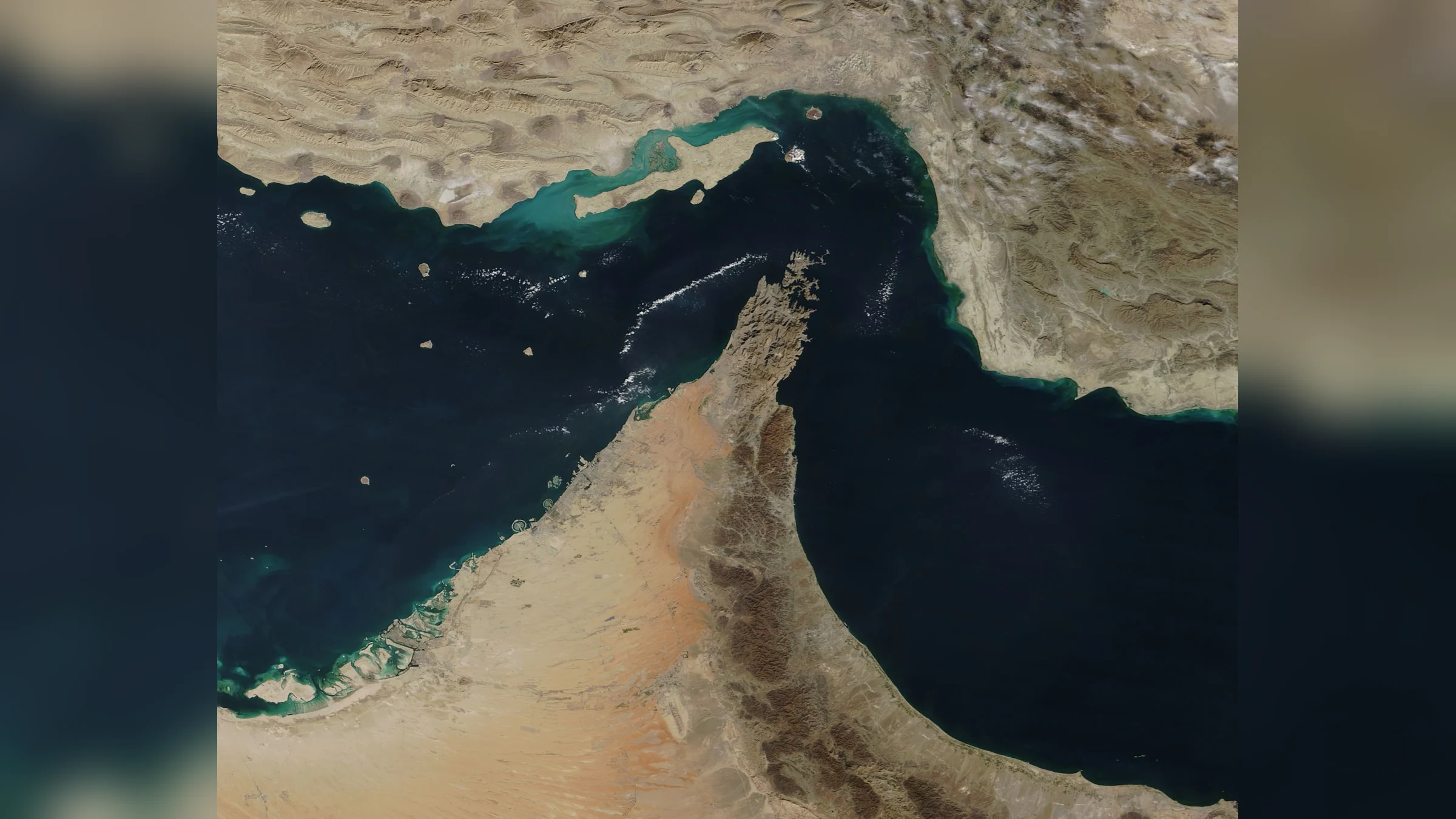
The two countries issued a 20-point joint statement. In it, they agreed that normal and safe navigation should resume in the Strait of Hormuz. They also called for the United States and Iran to pursue peaceful options, to return to the agreement reached in June that was aimed at ending the conflict, and to restart dialogue. That June agreement collapsed within weeks, as we explained in our report on the US-Iran talks.
China’s Foreign Ministry said its special envoy for the Middle East, Zhai Jun, would visit Iran, Oman and Saudi Arabia this month. The sultan’s visit was the first by an Omani head of state to China since the two countries established ties in 1978. The sultan told Xi that Oman appreciated China’s positions on key regional issues, and Omani state media quoted him as saying that prosperity “requires an environment defined by security, peace, respect for state sovereignty, and adherence to international law”. Oman, he added, is open to a preferential bilateral trade and investment agreement with China.
Wang Yi’s meetings
Foreign Minister Wang Yi held back-to-back meetings the same day with Saudi National Security Adviser Musaed bin Mohammed al-Aiban and Ali Bagheri Kani, deputy secretary of Iran’s Supreme National Security Council. He urged both to protect regional energy and shipping security and to “focus on a political solution rather than once again resorting to armed conflict”.
Wang told Bagheri Kani that Beijing supports Tehran in “safeguarding its own sovereignty and security”. Iranian state TV quoted Bagheri as saying that Tehran’s stance on defending its national security, sovereignty and territorial integrity “remains unchanged” and that Iran “will make no compromises in this regard”.
Other powers weigh in
Russia also spoke out. President Vladimir Putin discussed the war by phone with Iran’s security chief Mohsen Rezaei on Monday, and the Russian Foreign Ministry said reports of new military action were a cause for “extreme concern”. Both China and Russia have said they oppose renewed strikes, while Washington has carried out what it calls limited and defensive strikes on Iranian territory, as we reported in our story on the Qeshm island strike.
Beijing is a major buyer of Gulf oil and gas, which gives it a direct interest in the strait reopening. Pakistan, which is also helping to mediate, has close ties with China, a theme in our report on a Chinese Communist Party delegation’s visit to Islamabad.
What we know, and what we don’t
- Known: Xi and Sultan Haitham agreed a 20-point statement calling for safe navigation in Hormuz and a return to the June deal.
- Known: China’s envoy will visit Iran, Oman and Saudi Arabia this month, and Wang Yi has met Saudi and Iranian officials.
- Unknown: what specific proposals Zhai Jun will carry, and whether either Washington or Tehran will respond to China’s call.
- Unknown: how China’s support for Iran’s “sovereignty and security” will translate into pressure on Tehran over Hormuz.
Why it matters
China has so far largely stayed in the background of the diplomacy led by Qatar, Pakistan and others. Hosting Oman, which borders the strait and has proposed a transit route with Iran, and sending an envoy to three capitals, is a sign that Beijing wants a seat at the table. Whether it can deliver anything will depend on what the US and Iran are prepared to accept, but the message that the Gulf should not be a theatre for rival powers is one that Gulf states, Pakistan and others who depend on the strait will also be listening to.
This article draws on reporting by The Express Tribune and Dawn, citing Reuters and AFP.
Comments
Comments are reviewed by our editors before they appear. Please keep them civil and on topic. See our terms.
No comments yet. Be the first to share your view.