

The United States has imposed sanctions on 10 people and companies it accuses of buying weapons and weapons parts for Iran’s military, including an Iranian official based in Beijing, as the war between the two countries entered another tense week.
The US Treasury said the network procured arms and components for Iran’s Ministry of Defence and Armed Forces Logistics (MODAFL), which oversees the research, production and purchase of weapons for Iran’s armed forces, including the organisations behind its ballistic missiles and drones, Anadolu Agency reported.
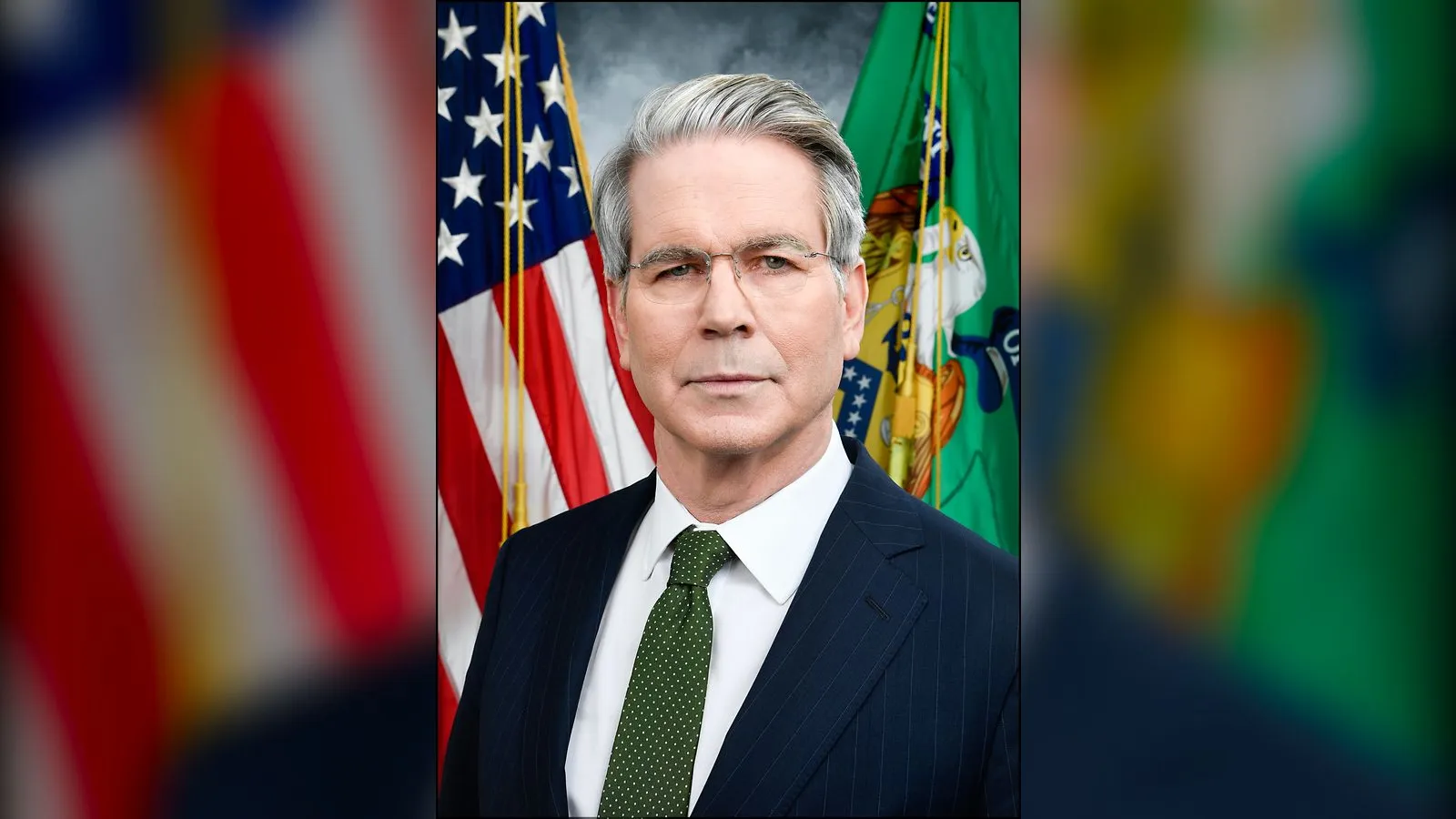
“Treasury will not tolerate any support to the regime and will continue to identify, expose, and isolate Iran’s enablers,” said Treasury Secretary Scott Bessent.
The man in Beijing
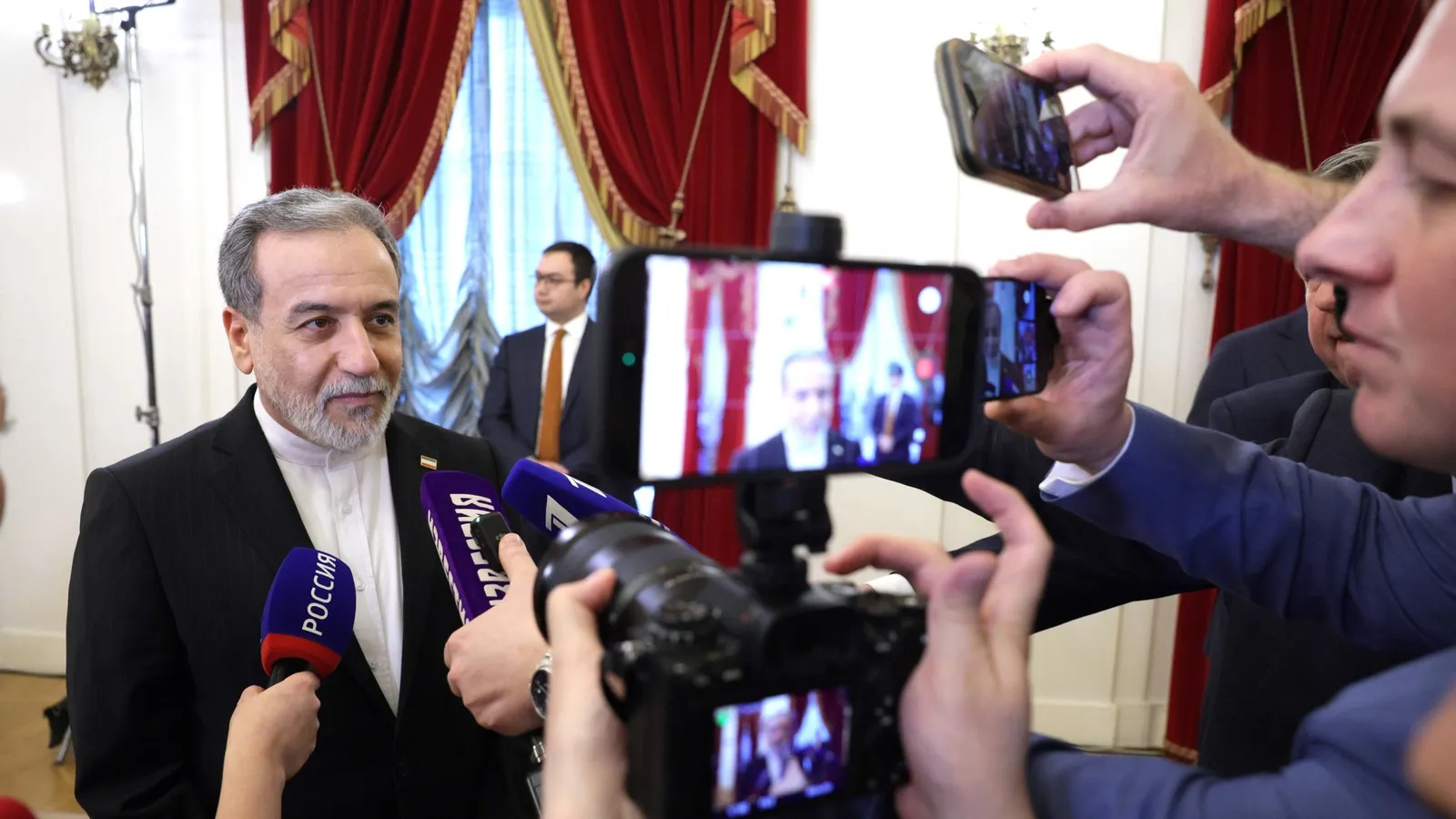
Among those sanctioned is Seyyed Asghar Alizadeh Tabatabai, whom the Treasury described as a MODAFL representative in Beijing. It said he coordinates the purchase in China of finished weapons systems and dual-use components that can have both civilian and military uses.
Tehran: Trump in a “quagmire”
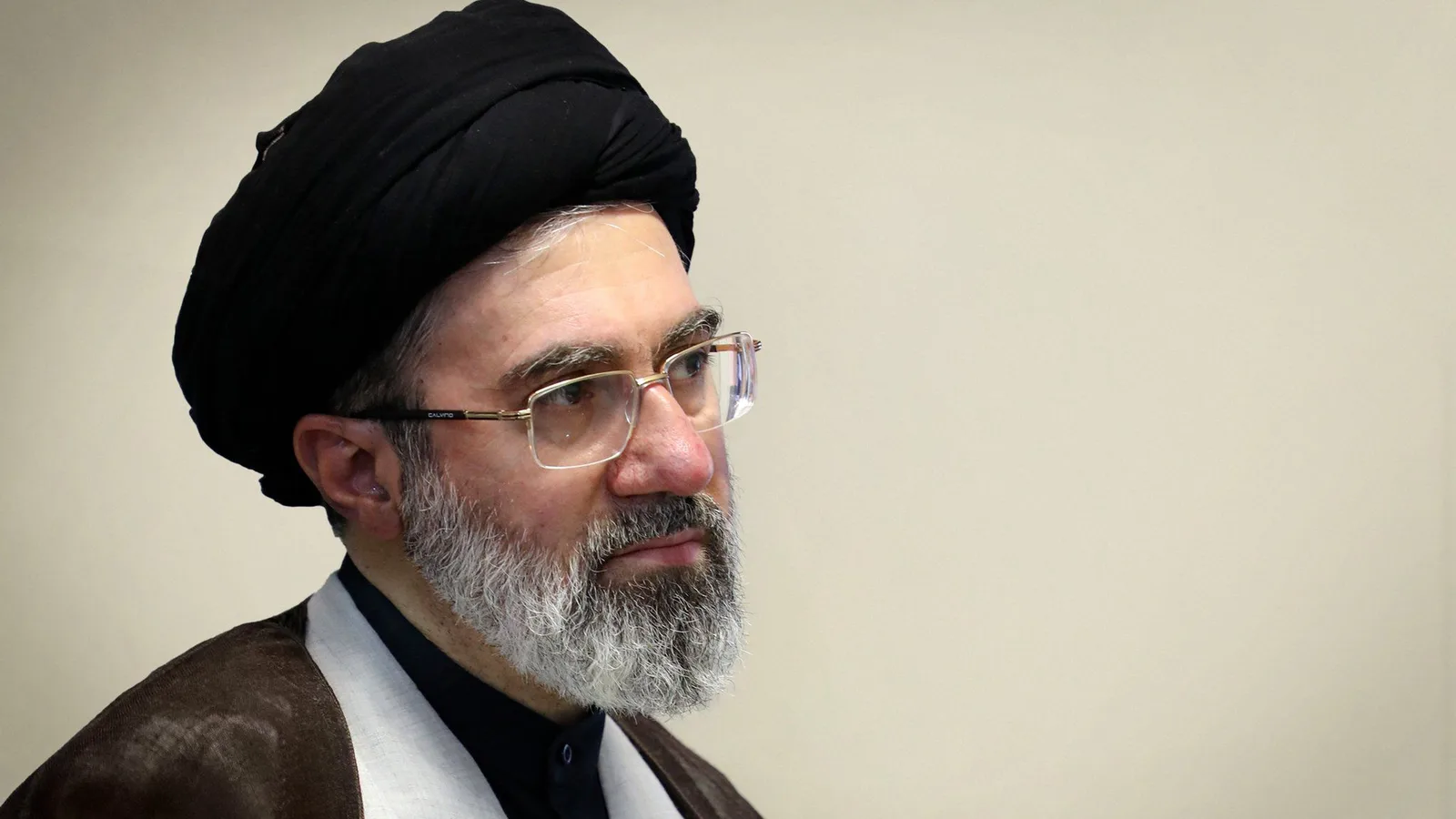
Iran was defiant. Mohsen Rezaei, an Iranian national security official, told Azerbaijan’s deputy prime minister that Trump was “caught in a quagmire where he can neither negotiate nor fight”, Press TV reported.
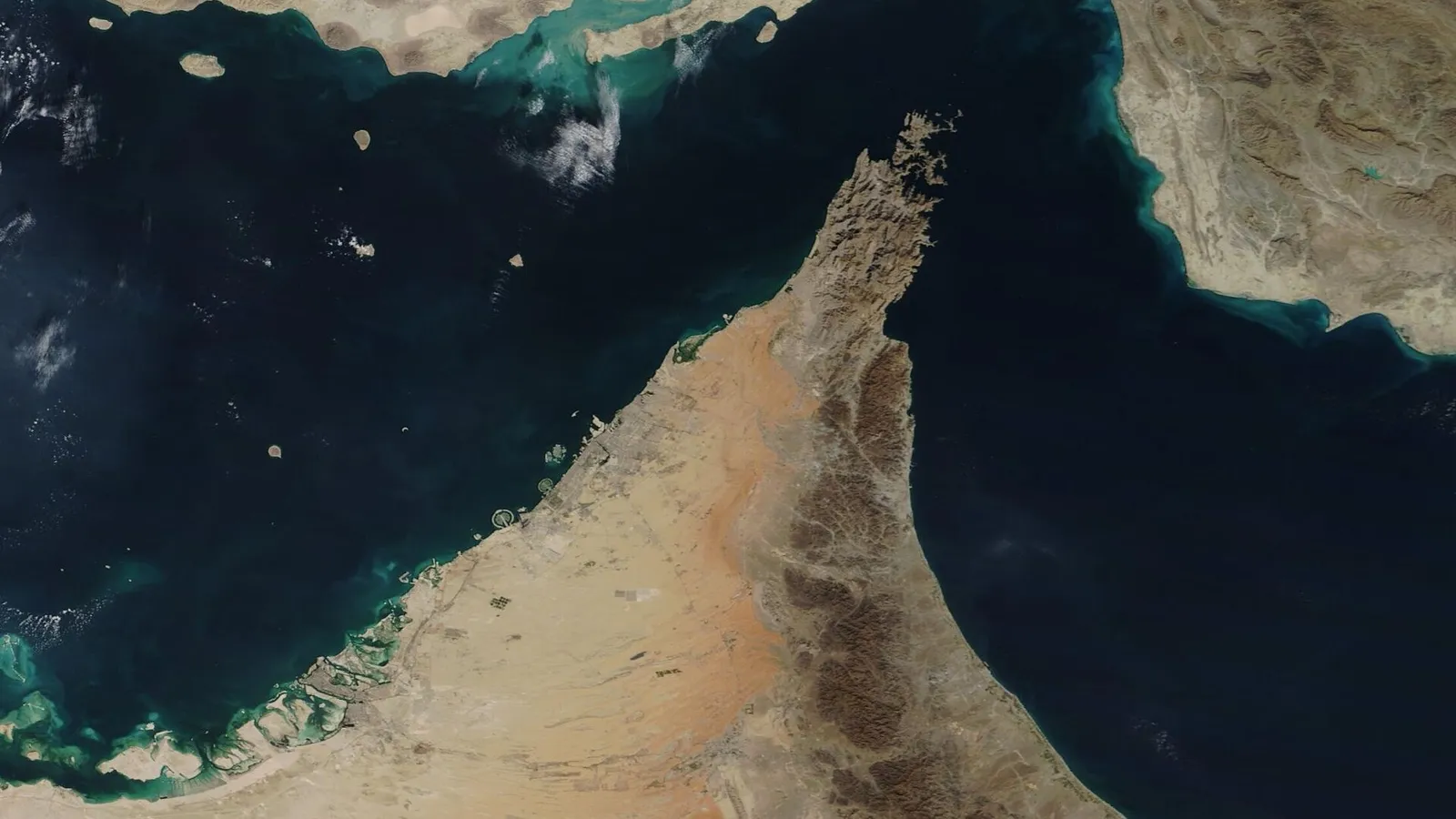
Iran’s army spokesperson, Mohammad Akraminia, claimed that “Iranian order” prevails in the Strait of Hormuz, while lawmaker Ebrahim Azizi said: “The US will inevitably leave this region, and the Zionist regime’s days are numbered.”
Talks through Qatar
Behind the rhetoric, diplomacy continues. Qatar’s foreign ministry spokesman, Majed Al-Ansari, said his country was “relaying messages between the American and Iranian sides”. “We are concerned about any escalation in the region and are working to find a peaceful solution,” he said. Iran is waiting for Washington’s formal answer on its proposals to reopen the Strait of Hormuz.
Washington moves to cool fuel prices
The Trump administration is also trying to ease the war’s effect on fuel prices:
- It offered to lend 40 million barrels of crude from the US Strategic Petroleum Reserve
- The White House urged the European Union to draw down its emergency diesel stocks
- Oil prices fell on Tuesday, with Brent down $1.38 to $103.88 a barrel, as Middle East flows recovered
Other developments
- UK investigation: British counter-terrorism police said they found no improvised explosive devices during their investigation at a UK airbase linked to a suspected plot involving Iran.
- Israel: Prime Minister Benjamin Netanyahu warned Israel’s enemies not to attack before the country’s elections in October.
- Flights: Iraqi Airways secured a special exemption to resume flights to Iran in October.
Why it matters
The new sanctions show Washington is still trying to squeeze Iran’s ability to build missiles and drones even while talks continue through Qatar, and the naming of a Beijing-based agent points at China’s role as a source of parts. For Pakistan, which borders Iran and remains one of the channels between the two sides, the risk is a war that drags on, keeping the region unstable and fuel prices high. Read our earlier report on Iran’s demands over the Strait of Hormuz.
This article draws on reporting by Dawn, Anadolu Agency and Press TV.
Comments
Comments are reviewed by our editors before they appear. Please keep them civil and on topic. See our terms.
No comments yet. Be the first to share your view.