

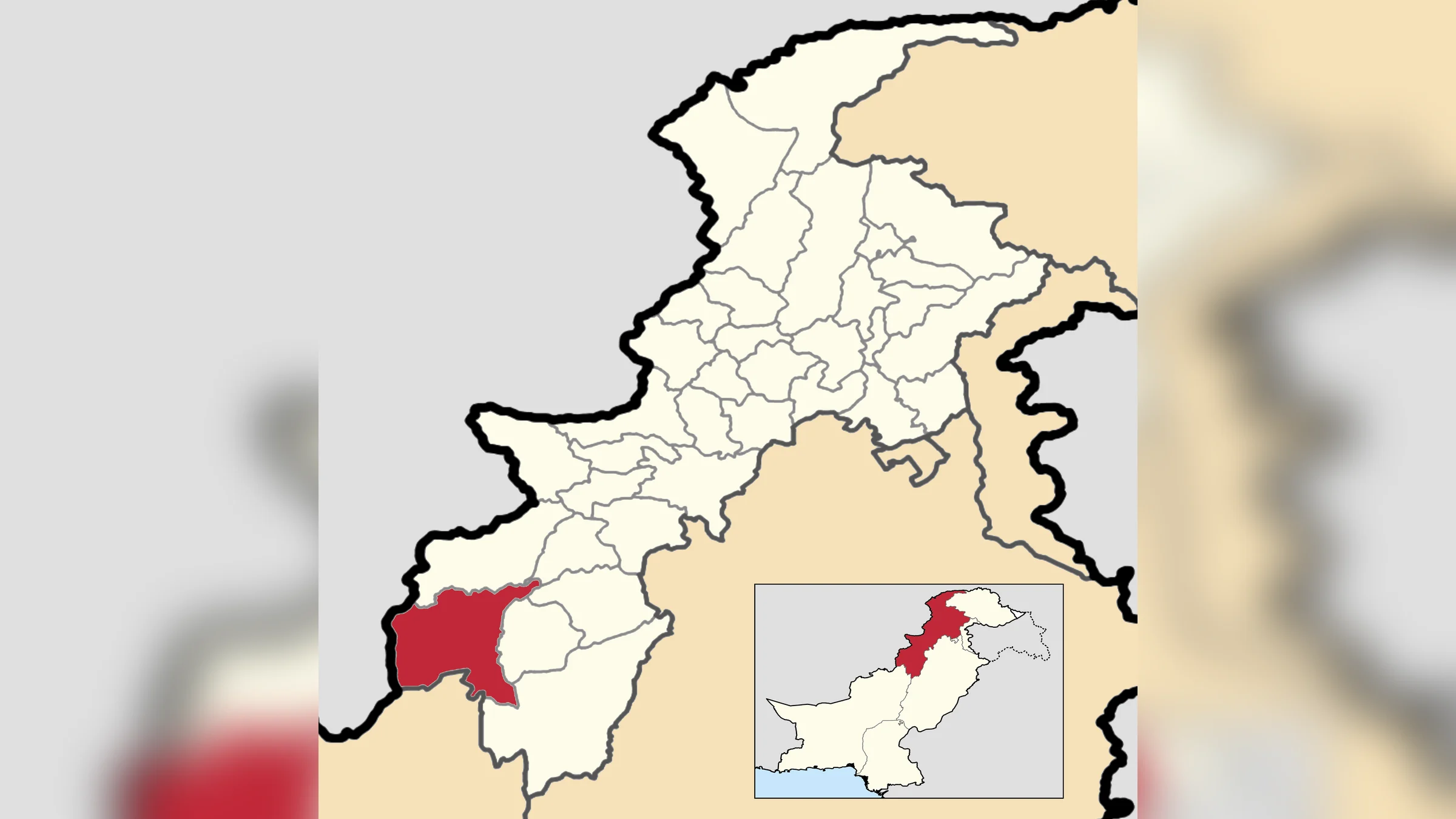
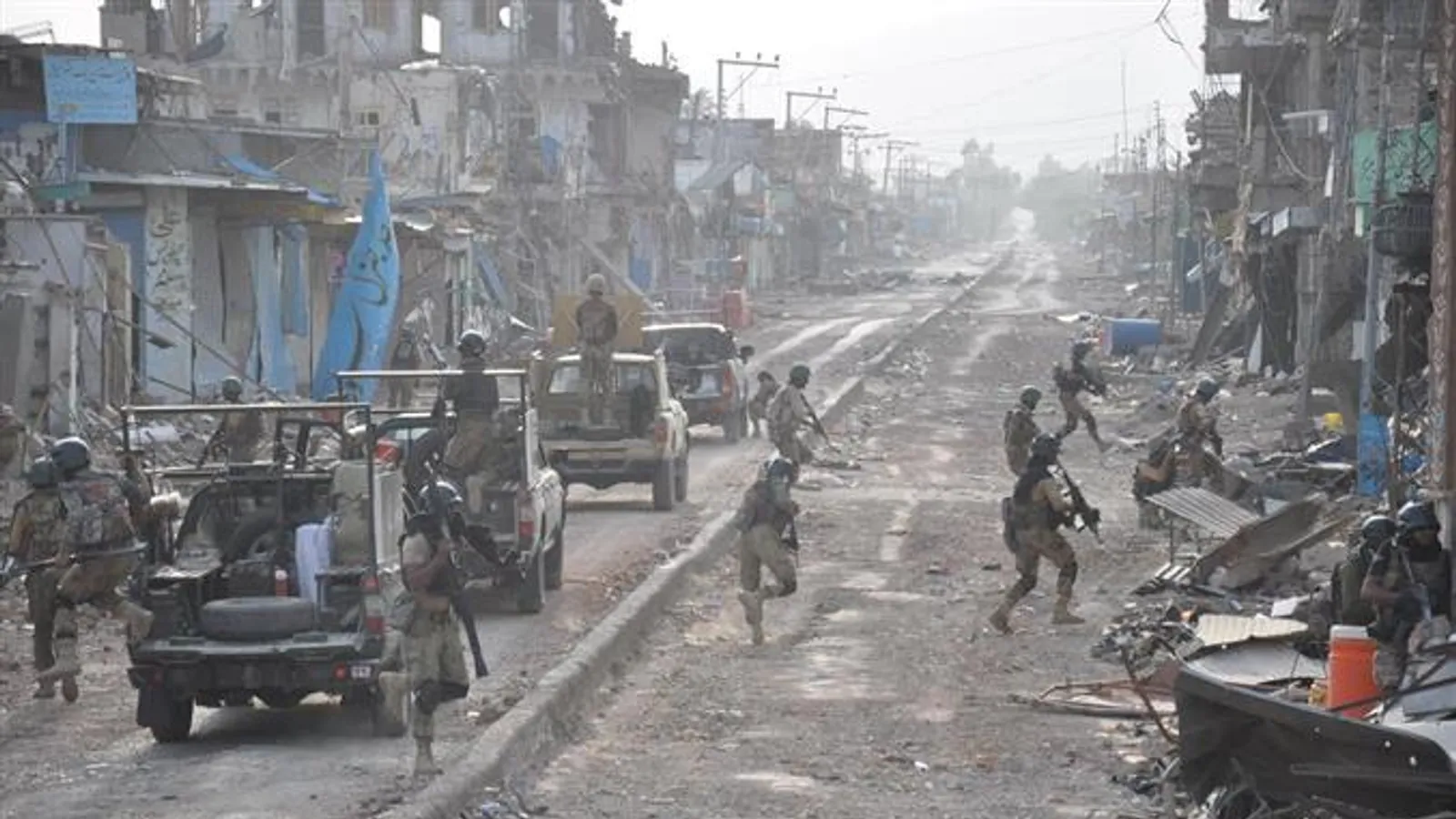
Pakistan’s armed forces destroyed several Afghan Taliban posts and military positions in areas bordering South Waziristan and Parachinar on Friday, in retaliation for Tuesday’s firing on the Angoor Adda border area, security sources said, Dawn and Geo News reported.
According to state-run Radio Pakistan, the army “gave a befitting reply to unprovoked firing by the Afghan Taliban along the Pak-Afghan border in the Angoor Adda area”.
What the army says happened
- Heavy weapons: “Using heavy weaponry, the Pakistan Army forced Afghan Taliban personnel to abandon their posts and flee,” Radio Pakistan reported.
- Casualties: citing reports, it said several Afghan Taliban personnel were killed.
- Message: “Security forces remain committed to the defence of the country and the protection of its people and there will be no compromise on national security,” the report said.
Security sources had said the army also destroyed several Afghan Taliban checkposts in an immediate response on Wednesday.
The attack on Angoor Adda
On Tuesday, Afghan forces opened fire on Pakistani border posts and residential areas in Angoor Adda. The Lower South Waziristan deputy commissioner said a mortar shell hit the bazaar area, killing one civilian, injuring five members of a family and damaging several shops.
Officials said the firing came from posts inside Afghan territory and used sniper, small and heavy weapons. Khyber Pakhtunkhwa Governor Faisal Karim Kundi condemned the attack, saying Pakistan would “never tolerate” attacks on its people. Pakistan also rejected a statement from Afghanistan’s defence ministry calling Pakistan the aggressor, terming it a “fabrication of lies”.
Background: a border on edge
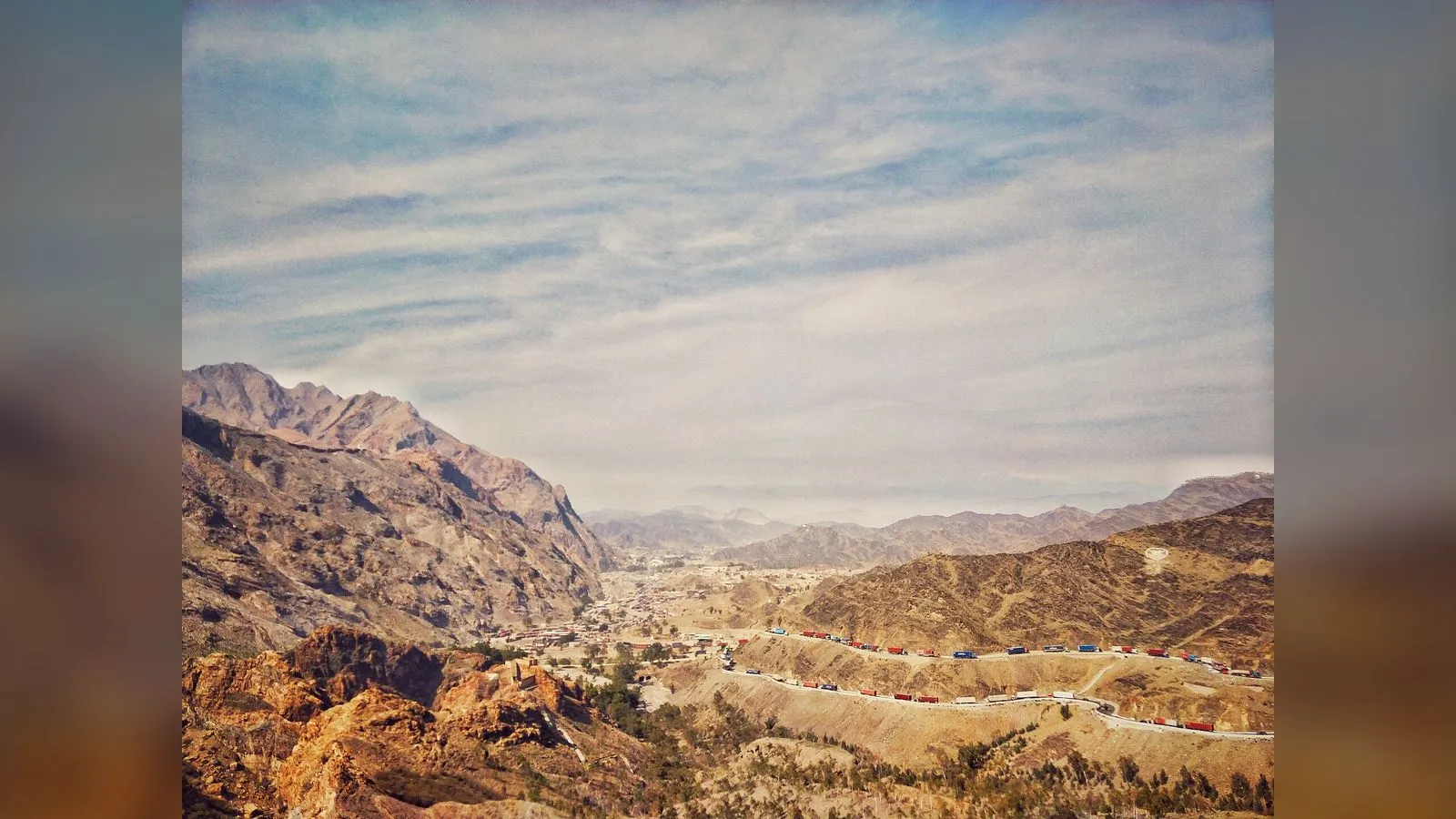
Angoor Adda is one of the most important and sensitive crossings on the Pak-Afghan border, used for trade and travel. It has seen repeated violence: in late April, mortar shelling from across the border injured civilians and damaged homes in South Waziristan, Geo News reported.
Tensions have run high all year:
- February 26: Pakistan launched Operation Ghazab lil Haq after cross-border firing by the Afghan Taliban.
- September 21: Pakistan carried out “calibrated” airstrikes on terrorist hideouts after major attacks in Khyber Pakhtunkhwa; the government said more than 28 terrorists were killed.
- Late September: Pakistan shot down eight drones near Torkham and Kohat, then struck 10 locations in Afghanistan.
- October 1 and mid-October: further airstrikes and clashes, including in Upper Kurram.
Islamabad says Kabul shelters the banned Tehreek-i-Taliban Pakistan (TTP), whose fighters attack Pakistan from Afghan soil. Officials say repeated appeals to dismantle those sanctuaries have gone unheeded.
Why it matters
For people living along the border, every exchange means shells landing in markets and homes, and trade routes that can close without warning. Pakistan says it is responding to attacks it did not start; Kabul accuses Pakistan of aggression. With no talks under way, each round raises the risk of a wider clash.
The Foreign Office has said talks with Afghanistan cannot be unconditional, while rejecting suggestions that Islamabad is unwilling to engage.
What to watch: whether Kabul retaliates, whether the Angoor Adda crossing stays open, and whether the Foreign Office’s offer to welcome mediation by friendly countries leads anywhere.
This article draws on reporting by Dawn and Geo News.
Comments
Comments are reviewed by our editors before they appear. Please keep them civil and on topic. See our terms.
No comments yet. Be the first to share your view.