
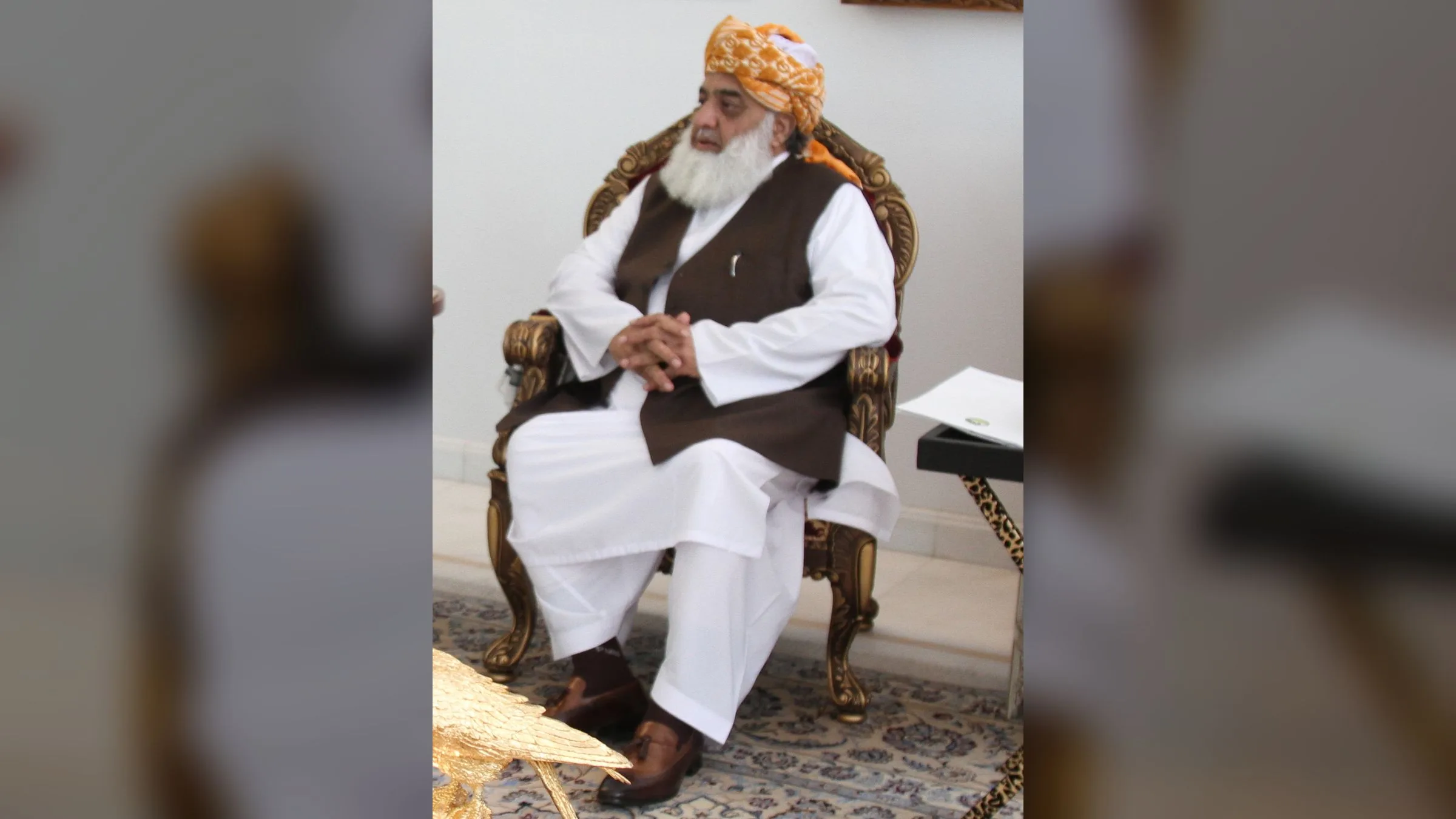
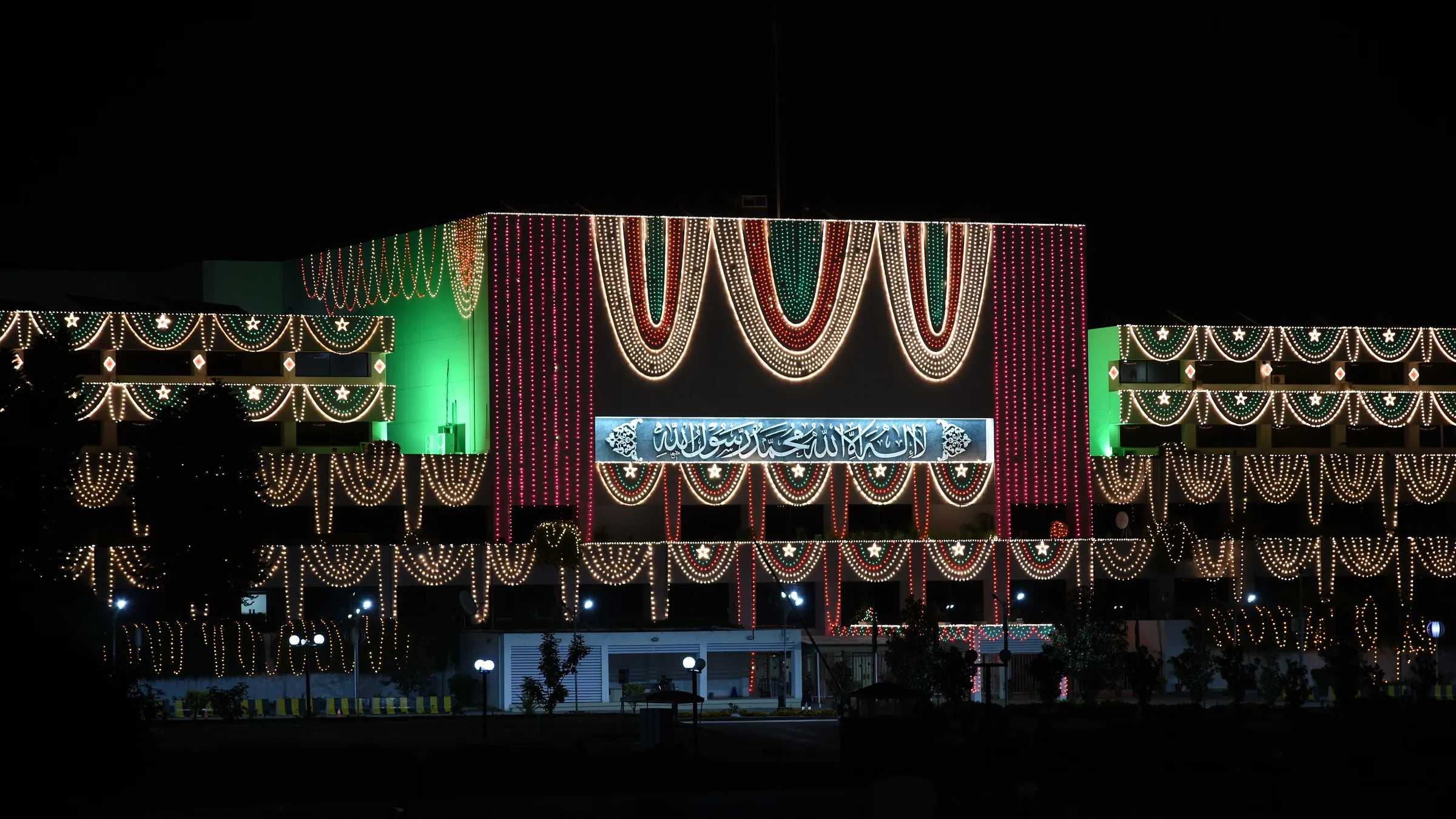
Jamiat Ulema-e-Islam-Fazl (JUI-F) chief Maulana Fazlur Rehman on Wednesday asked the government and the opposition to sit together and agree a new Charter of Democracy, saying the country was moving towards further instability. He made the call in a speech in the National Assembly, The Express Tribune and Dawn reported.
“I invite you to sit at one table and establish a new Charter of Democracy,” he said. He argued that the agreement should bring both sides together to protect the country from unconstitutional steps and from violence, and that political differences should be settled through dialogue.
What Fazl said
Fazlur Rehman said parliament was a representative institution, but that the capacity to tolerate dissent had shrunk and matters were getting worse. He said his party had made sacrifices and lost workers, and that resorting to force would only make the situation worse. He also said there was “no democracy, constitutional supremacy or rule of law” in the country.
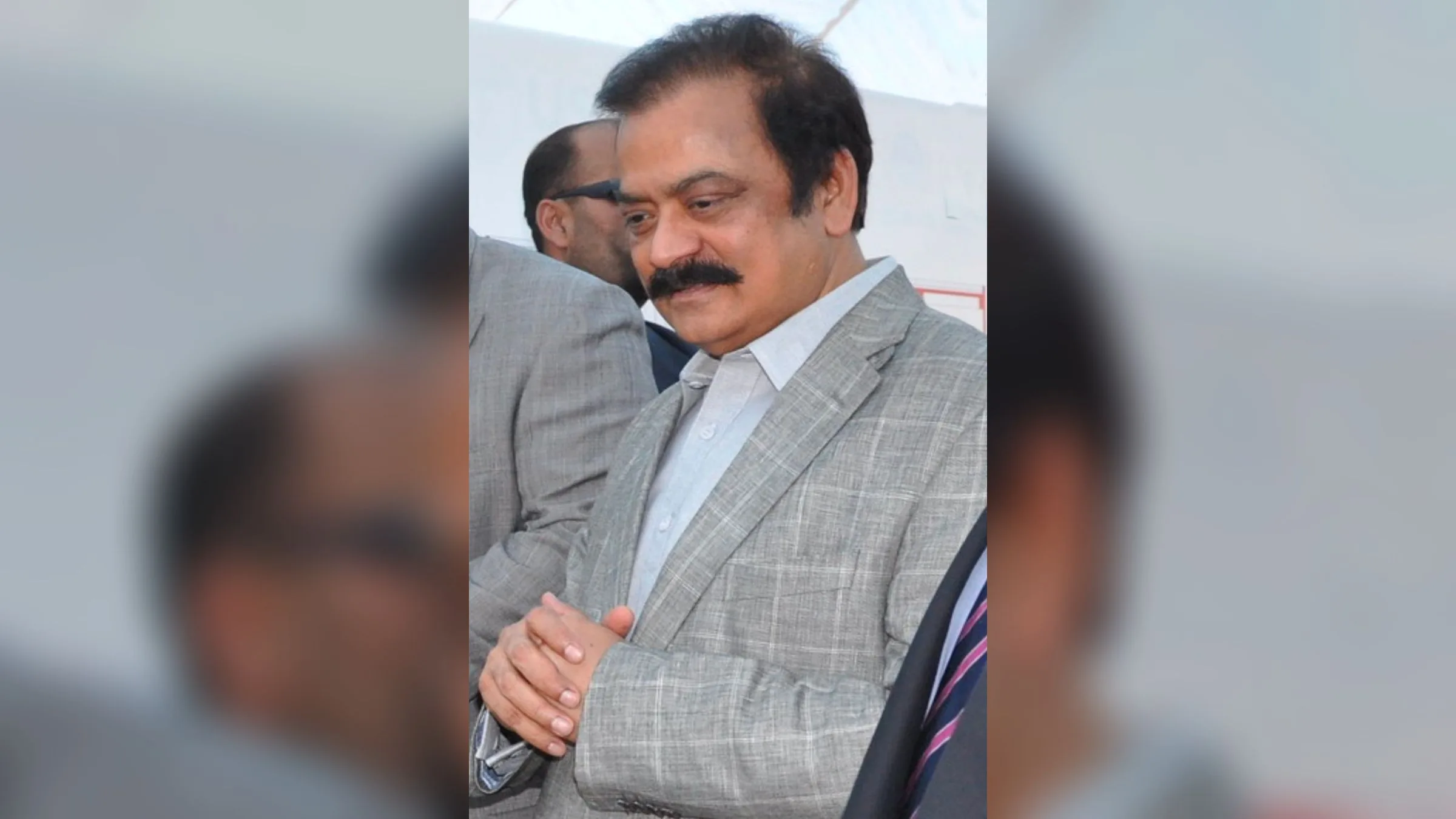
He recalled the days when the PTI’s long march was heading for Islamabad. According to his account, the party’s leaders asked him to help resolve the situation, he held detailed talks with government representatives, including the prime minister’s adviser Rana Sanaullah, and then received a call from the prime minister’s office inviting him to dinner. He said the prime minister asked him to have the march called off, and that around 10:30pm Deputy Prime Minister and Foreign Minister Ishaq Dar rang to say the cabinet did not agree with the proposed course. These are his own remarks and the government has not been quoted on them in the reports we drew on.
He also asked whether conditions in Balochistan were any better than in Khyber Pakhtunkhwa, pointing to the abduction of commissioners.
During the speech, Speaker Ayaz Sadiq said he would let Fazl continue but would remove any unparliamentary remarks from the record. One sentence was later expunged.
The PTI starts consultations
The PTI began consultations on the proposal on the same day. Senator Barrister Ali Zafar said the terms of a charter would be shaped through consultation, and that all stakeholders would have to be brought in for the peace the country needed. Another PTI leader, Asad Qaiser, said the government had failed on the economy, administration and governance, so the opposition had to join hands.
After a meeting between Fazl and the Leader of the Opposition in the Senate, Allama Raja Nasir Abbas, in Islamabad, opposition leaders also decided to call an All Parties Conference (APC). November 9 and 10 are under consideration as dates.
On Tuesday the PTI’s parliamentary party met for around eight hours, with nearly 70 members of the National Assembly and senators present. It expressed confidence in the party leadership and its chairman, Barrister Gohar Ali Khan, said the party had condemned the imposition of governor’s rule and emergency measures in Khyber Pakhtunkhwa and would play an active role in filling the political vacuum.
What the original Charter was
The Charter of Democracy was signed in London in 2006 by the late Benazir Bhutto of the PPP and Nawaz Sharif of the PML-N. It set out commitments on civilian supremacy, free elections and constitutional reform. A new charter would need the agreement of a wider set of parties than the two that signed the first one, and that includes the PTI.
Why it matters
Fazl’s proposal arrives at a time when the government and the opposition are trading blame over governor’s rule in Khyber Pakhtunkhwa, and the same day a minister told the Assembly that the arrangement would last six months; read our report on how the minister set a six-month limit for governor’s rule. Whether the proposal goes anywhere depends on the government. The reports we drew on do not carry a response from the treasury benches to the charter call, and the prime minister’s side has so far spoken only of dialogue in general terms. For ordinary people, the question is whether the parties can agree anything on law and order and the economy, or whether the APC remains a show of opposition unity. The date and attendance of that conference will be the first sign.
This article draws on reporting by The Express Tribune and Dawn.
Comments
Comments are reviewed by our editors before they appear. Please keep them civil and on topic. See our terms.
No comments yet. Be the first to share your view.