

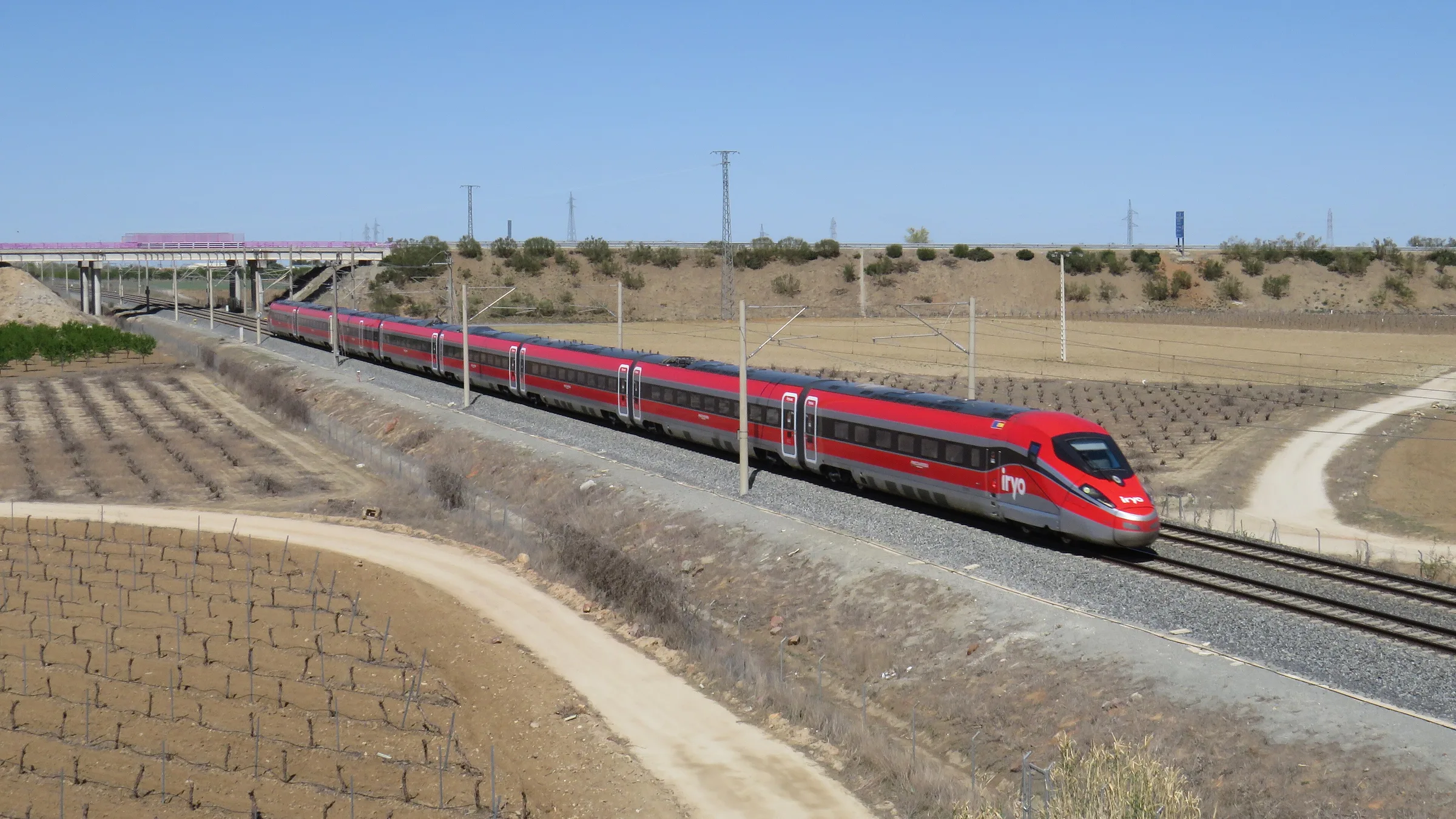
At least 68 people were killed and more than 100 injured when two high-speed trains collided south of Madrid on Wednesday, in one of the deadliest rail disasters in Europe this century. Dawn and The Express Tribune reported the crash, citing AFP and Reuters.
What happened
The collision took place at around 9am local time near the village of Urda, in Castilla-La Mancha, about 130 kilometres south of the capital. One train was left embedded in the other, and carriages lay in twisted heaps at the bottom of an embankment. A Renfe train, run by the state railway company, hit a stationary train belonging to the private operator Iryo.
Emiliano Garcia-Page, the regional president, confirmed the toll of 68, up from an earlier 64, and warned that more victims might be found. A regional spokeswoman said 58 of the injured were in hospital, 15 of them in critical condition. Renfe suspended the main high-speed line between Madrid and southern Spain.
“Inexplicable circumstances”
Transport Minister Oscar Puente gave the first official account of how it happened. A failure in the automatic control system had stopped traffic along a 69-kilometre stretch of track. Despite that, the Renfe train was told to proceed, which he called an “error”. “The decision to resume traffic, while that system had not been restored, belongs to the control center,” he said, and it did so “in circumstances that, from our point of view, are inexplicable”.
The Renfe train travelled about 25 kilometres before it hit the Iryo train at speeds of “up to 200km per hour”, Puente said. The control centre, he added, “had more than enough time to verify the error, and they did not fix it”. His account is that of the government; the cause will be settled by investigators.
Survivors and rescue
Survivor Pablo Mejia, 42, described “a very strong hit. It lasted a long time until it stopped, lots of people on the floor, on top of each other, seats ripped out, suitcases, a lot of chaos”. Another passenger, Salvador Arriza, said people were breaking windows to get out, while others were pinned under wreckage. Emergency workers searched the carriages one by one, and a crane was used to lift debris.
A second crash in a year
Spain is a country that has put heavy investment into high-speed rail, and its network is the second-largest in the world after China’s. This crash follows a collision between two high-speed trains near Adamuz in southern Spain in January that killed 46 people. Prime Minister Pedro Sanchez said it was “not acceptable” for the country to have two such accidents in a year, while adding that the causes appeared to be unrelated. He announced three days of national mourning from Thursday.
Spain’s railway safety authority has recorded a rise in accidents of all kinds, including derailments and collisions, from 45 in 2016 to 57 in 2024 and 69 last year. The timing is political as well: Spain holds an early general election on November 29. Sanchez’s Socialists and the opposition People’s Party both suspended campaigning. Its leader, Alberto Nunez Feijoo, said “Spain has the right to know what is going on with its infrastructure.”
Why it matters beyond Spain
Rail safety is a worry for other countries too. Pakistan’s own railways have had more than 55 accidents this year and the government has declared a three-month emergency; read our report on Pakistan Railways’ emergency after the accidents. The Spanish case shows that even a modern high-speed system can fail when a warning from the signalling system is overridden by a human decision. That is the main question investigators and the public will want answered: who gave the order, and why was no check made? The first results of the inquiry, and any charges or resignations, will show how far the blame reaches.
This article draws on reporting by Dawn, The Express Tribune, AFP and Reuters.



Comments
Comments are reviewed by our editors before they appear. Please keep them civil and on topic. See our terms.
No comments yet. Be the first to share your view.