
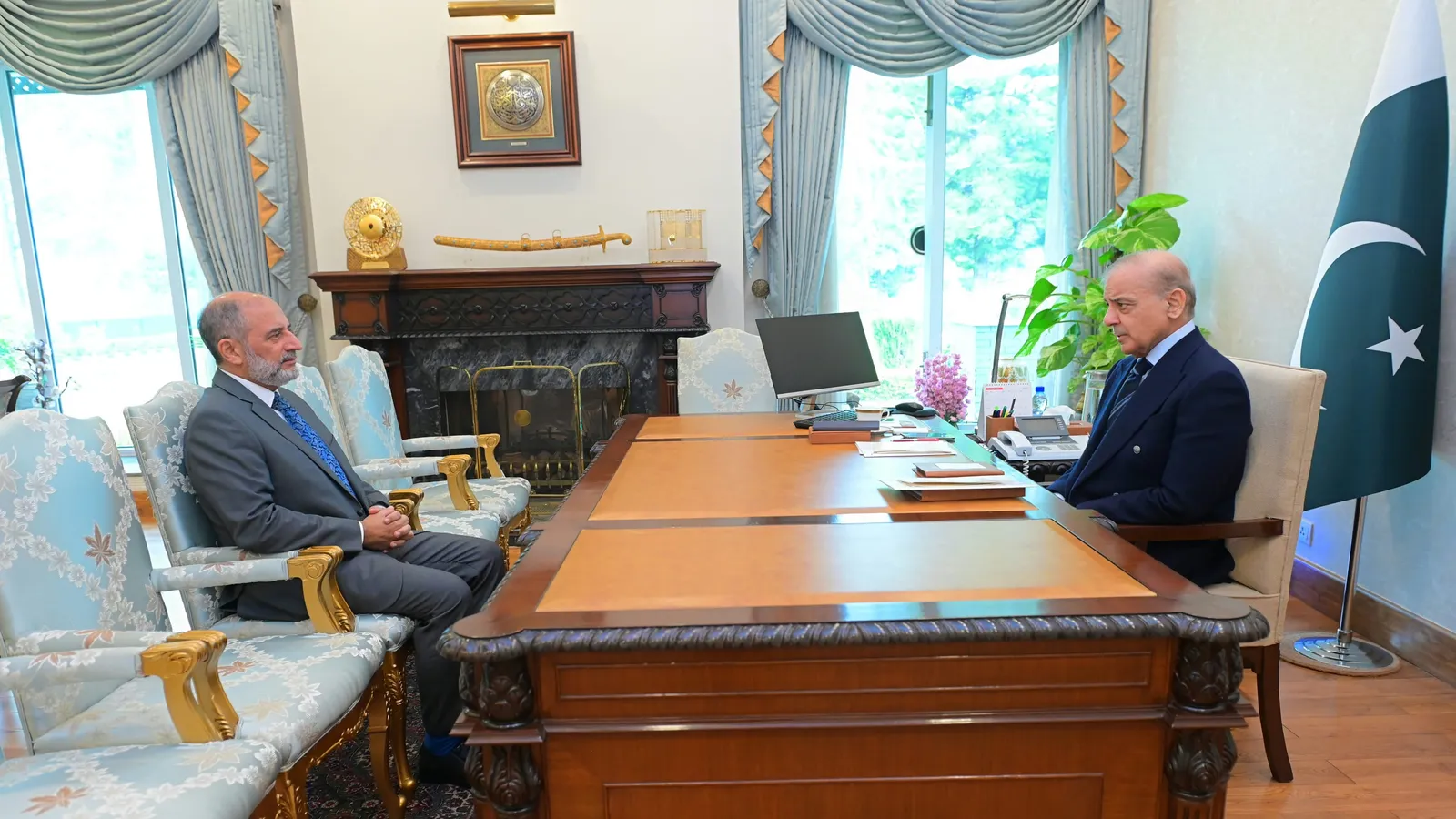
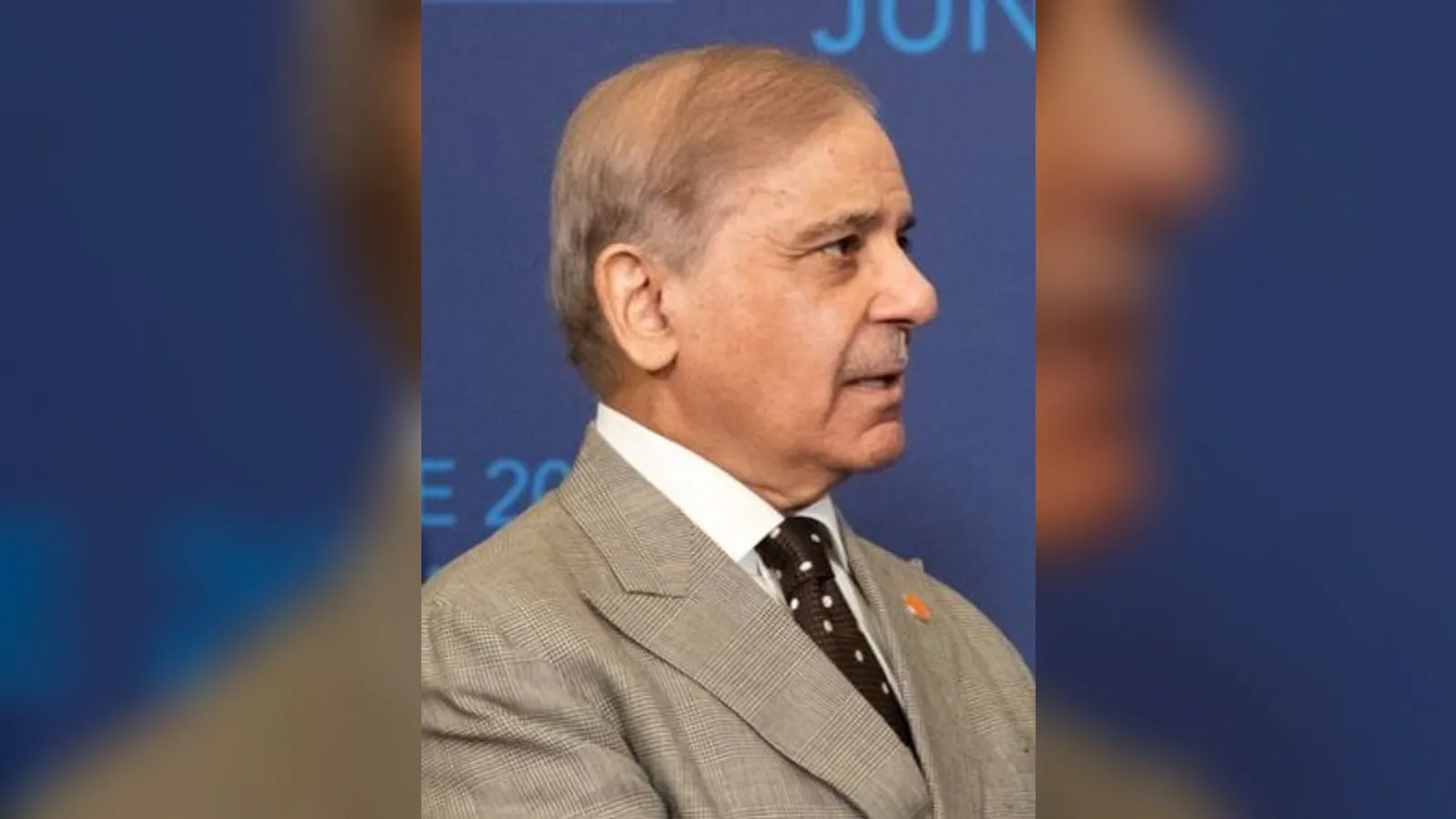
Prime Minister Shehbaz Sharif has reaffirmed Pakistan’s “unwavering commitment” to protecting Saudi Arabia’s sovereignty, territorial integrity and security, telling the head of the new Makkah Defence Alliance that Pakistan “stands shoulder to shoulder” with the kingdom.
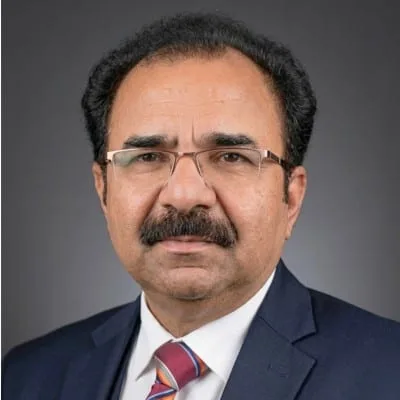
The prime minister met Lieutenant General (retd) Nauman Mahmood, the first secretary general of the Makkah Joint Defence Agreement (MJDA), in Islamabad on Wednesday, according to the Prime Minister’s Office, Dawn and The Express Tribune reported.
“The Makkah peace agreement is a historic milestone for peace, unity and stability in the region,” PM Shehbaz said, wishing Mahmood well in his new role. Mahmood briefed him on strategies to promote defence and strategic cooperation under the pact.
The alliance
- Members: Pakistan, Saudi Arabia and Turkiye
- Signed: August 7, 2026, empowering member states to treat an attack on one as an attack on all
- Secretary general: Mahmood was appointed on September 23, giving Pakistan the job of setting up and leading the alliance’s first secretariat during its first three years
- Secretariat: based in Riyadh, it will oversee the agreement, coordinate joint activities of the three militaries and support defence-industrial cooperation
- Decision: taken at the first meeting of the Strategic Political and Defence Committee in Istanbul on August 31, attended by the three countries’ foreign and defence ministers and military chiefs
A day earlier, Mahmood met President Asif Ali Zardari along with Interior Minister Mohsin Naqvi. The president said the alliance would strengthen regional peace through defensive cooperation guided by the UN Charter and international law.
Saudi Arabia under fire
The meeting came as Yemen’s Houthis step up missile and drone attacks on Saudi Arabia. On Tuesday, the Saudi-led coalition struck fuel and energy sites in Yemen, and hours later a Houthi missile hit an Aramco administrative building in Dhahran. In Riyadh, four people, two women, a man and a child, were wounded by debris from intercepted missiles, and 15 homes were damaged.
The Houthis have repeatedly attacked Saudi airports, oil facilities and tankers since a truce in Yemen’s war unravelled in July.
Pakistan’s commitment
Pakistan has repeatedly expressed solidarity with the kingdom:
- October 5: at an emergency meeting of the Makkah pact in Riyadh, Pakistan, Saudi Arabia and Turkiye agreed to the rapid deployment of military forces and capabilities
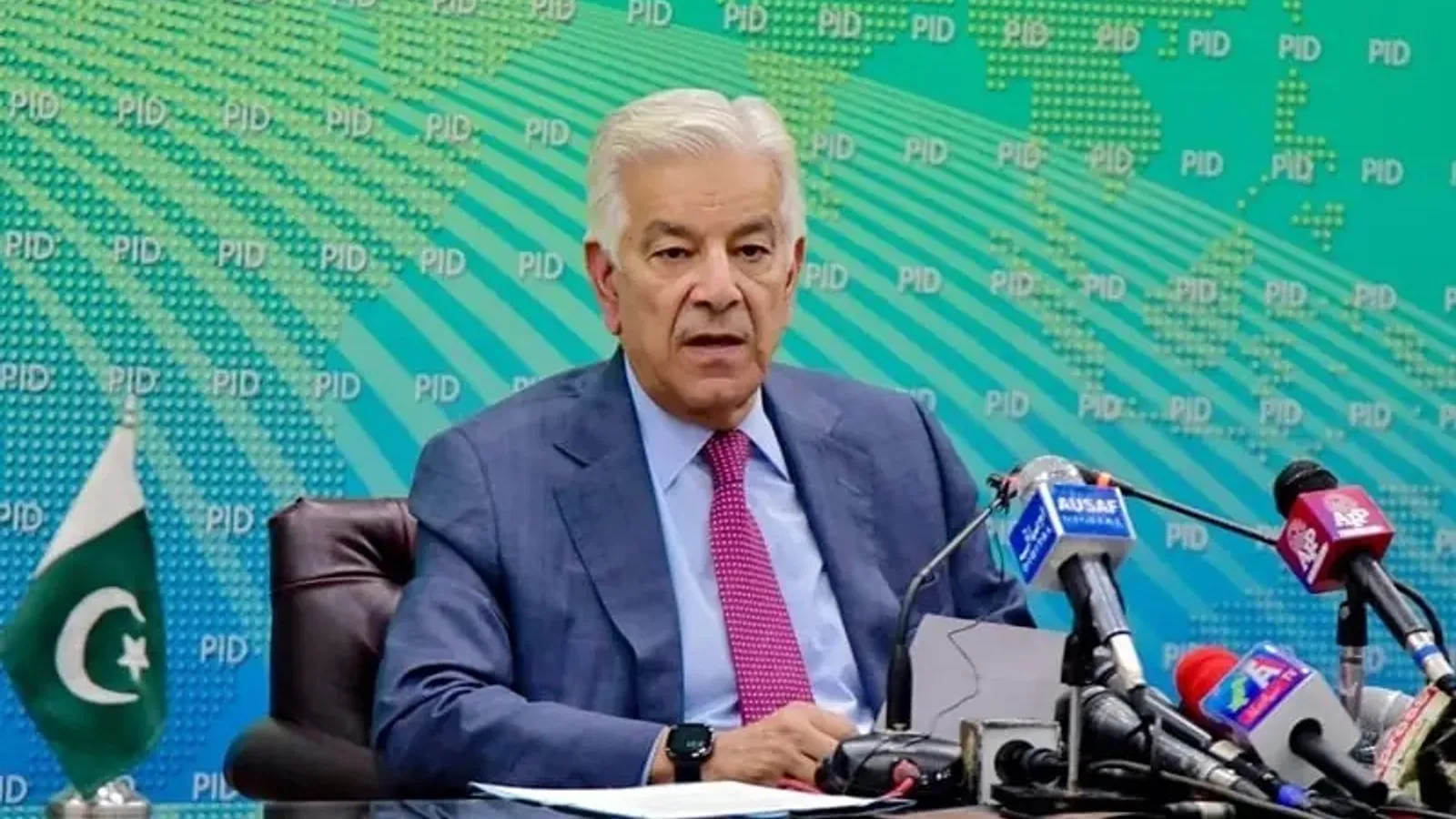
- Defence Minister Khawaja Asif said Pakistan and Turkiye had a “presence in theatre”, with only Saudi troops involved in combat, and that Pakistan would stand by Saudi Arabia “practically and diplomatically”
- September 18: ISPR Director General Lt Gen Ahmed Sharif Chaudhry said Pakistan would go to “any extent” to defend the kingdom, calling its commitment “unconditional”
Pakistan has also stressed that the alliance is defensive and meant for collective deterrence.
Why it matters
With a Pakistani officer at its head, the Makkah alliance gives Pakistan a central role in shaping the region’s new security architecture. The prime minister’s message was clear: Saudi Arabia’s security is Pakistan’s own. Read our reports on the Houthi missile that hit Aramco and on the Makkah pact meeting in Riyadh.
This article draws on reporting by Dawn, The Express Tribune, Radio Pakistan and the Prime Minister’s Office.
Comments
Comments are reviewed by our editors before they appear. Please keep them civil and on topic. See our terms.
No comments yet. Be the first to share your view.