

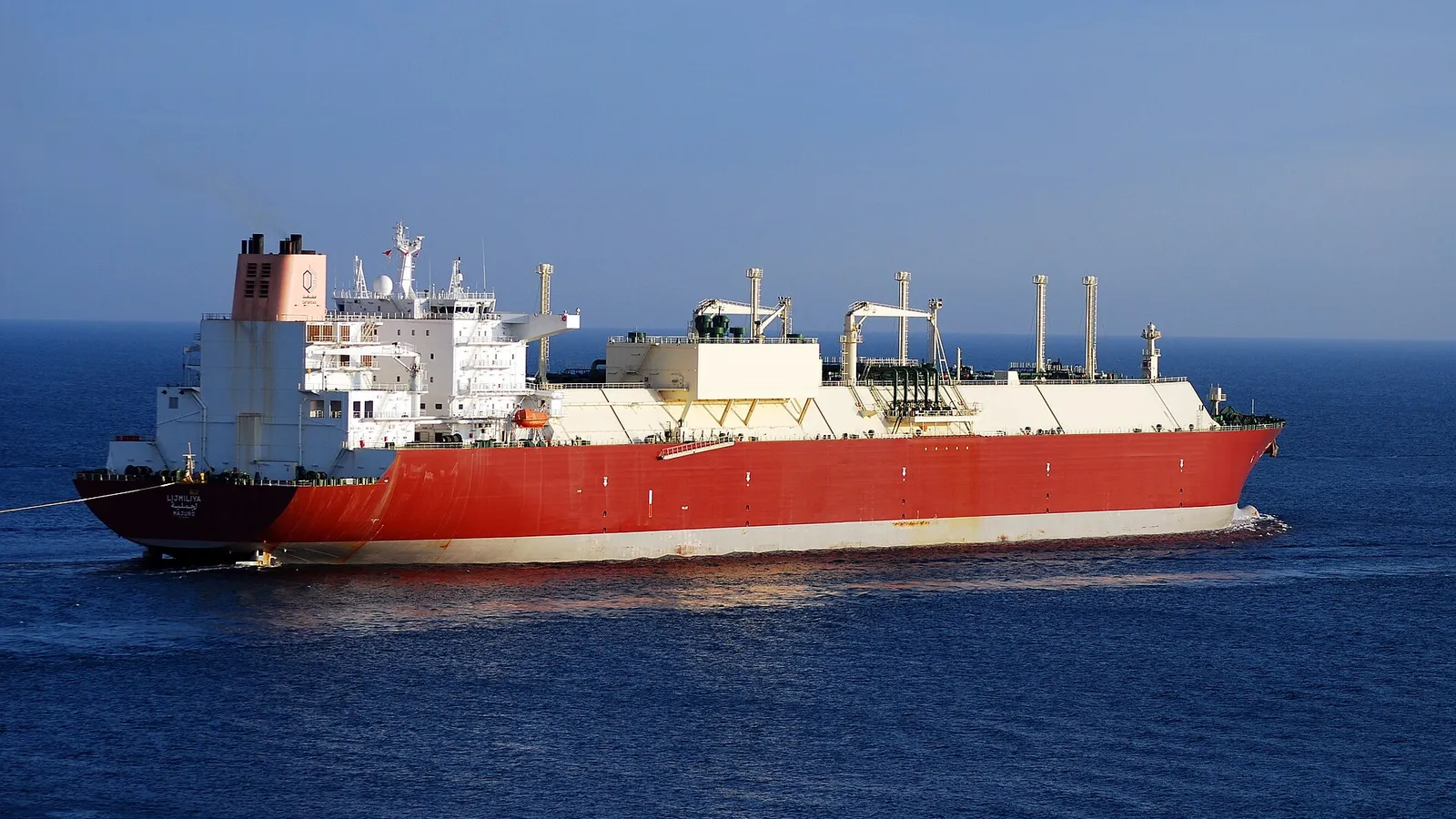
Pakistan received its first liquefied natural gas (LNG) cargo of October on Tuesday, when the Qatari vessel Al-Areesh berthed at Engro’s LNG terminal and regasification began at 150 million cubic feet a day (mmcfd), ending a spell in which neither of the country’s terminals had any LNG to supply.
Authorities are scrambling to arrange more shipments from Qatar amid disrupted supplies and uncertainty over traffic through the Strait of Hormuz, Geo News reported, citing The News and a senior Petroleum Division official.
Both terminals were idle
- Engro’s terminal: out of action since September 26 for lack of a vessel, now back in operation
- Pakistan GasPort terminal: idle since October 9 because of a lack of inventory; a cargo is expected within eight to 10 days
- October 9 to 13: no LNG was regasified at either terminal, leaving the power sector with only about 38 mmcfd of gas for electricity generation as of October 13
Officials are trying to secure three cargoes from Qatar with the help of Iranian and US officials, but the latest plan suggests only two will arrive in October, the same as in September.
Force majeure hangs over winter
QatarEnergy declared force majeure on March 4 after Iran attacked Ras Laffan, Qatar’s biggest LNG production facility, on March 2. It has extended the declaration twice, most recently until November 6. If the situation in Hormuz does not improve, it could be extended again, potentially disrupting imports through the winter.
Demand set to triple
Winter will bring a sharp rise in demand:
- Sui Northern (SNGPL): requirement projected to rise from 500 mmcfd to 1,550 mmcfd
- Sui Southern (SSGC): from 300 mmcfd to 500 mmcfd
Problems at home too
Domestic gas supply faces its own setbacks, according to data as of October 13:
- MOL’s CPF and GPF: output down to 123 mmcfd from a normal 160 mmcfd during an annual turnaround
- Bettani field: 31 mmcfd suspended since October 9 after a rupture in the Bettani-Kakakhel pipeline near Sheri-Khel
- MEL’s GTH plant: 65 mmcfd against its usual 70 mmcfd because of an operational problem
- Mamikhel South well: 14.5 mmcfd of third-party supply suspended since September 26
- Qadirpur field: 45 mmcfd of raw gas to Liberty Power suspended since September 17 over non-payment
The combination of limited LNG cargoes, domestic production problems and suspended supplies has raised concerns about Pakistan’s ability to meet its energy needs this winter, the report said.
Expensive spot cargoes
The government has already planned to buy 10 LNG cargoes on the spot market this winter at about double the price it pays Qatar, pushing the four-month import bill to about $1.29 billion, The Express Tribune reported this week.
Why it matters
One cargo brings relief, but the supply picture remains fragile: the second terminal is idle, Qatar’s force majeure runs into November and winter demand is about to soar. Homes, power plants and industry will all feel it if more cargoes do not arrive. Read our reports on the $1.29 billion winter LNG bill and on Qatar’s force majeure.
This article draws on reporting by Geo News, The News and The Express Tribune.


Comments
Comments are reviewed by our editors before they appear. Please keep them civil and on topic. See our terms.
No comments yet. Be the first to share your view.