

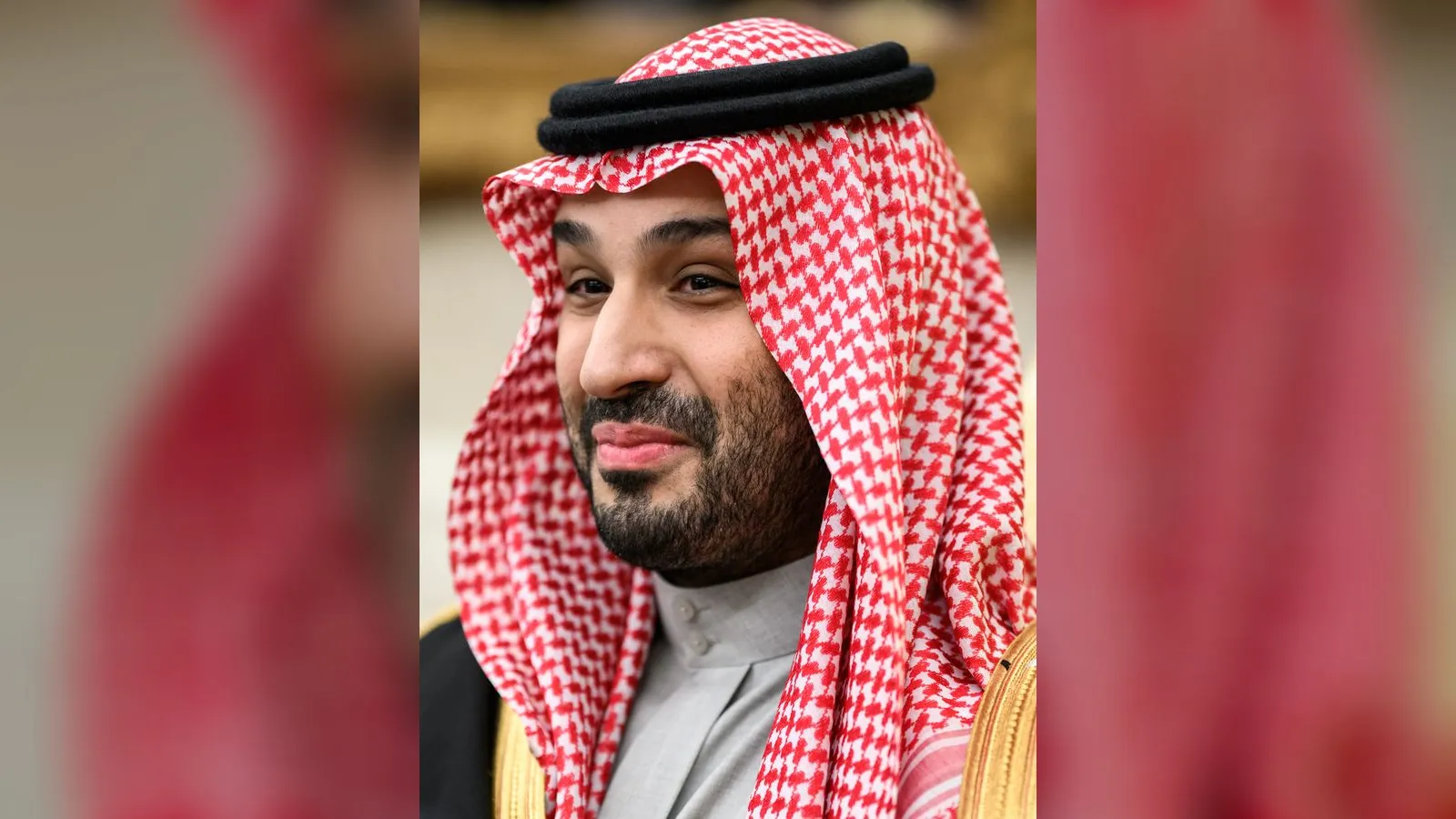
Saudi Crown Prince Mohammed bin Salman has turned down an Israeli push to join the military campaign against Yemen’s Houthis, despite Israel’s efforts to win Riyadh’s approval through US mediation, the Israeli newspaper Haaretz reported on Monday.
Citing an unnamed diplomatic source, Haaretz said the crown prince was not interested in Israeli military help and feared that cooperation with Israel could provoke a negative reaction among the Saudi public, The Express Tribune reported. There was no immediate comment from Saudi authorities.
Israel’s aim: normalisation
Another source familiar with the matter said Israel hoped military cooperation with Saudi Arabia would strengthen ties between the two and pave the way for a future normalisation agreement.
Saudi Arabia has no diplomatic relations with Israel and has maintained that normalisation depends on resolving the Palestinian issue, including the establishment of a Palestinian state.
The attacks on the kingdom
The report comes as Houthi attacks on Saudi Arabia escalate:
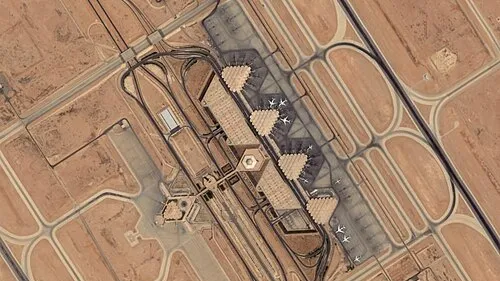
- Saturday: a strike on Riyadh’s King Khalid International Airport killed 13 people and injured more than 300
- Sunday: another attack on the airport killed a Pakistani resident and injured 11 others, according to Saudi Arabia’s General Authority of Civil Aviation
- Monday night: the Houthis said they fired a ballistic missile at the airport, shortly after Saudi Arabia said it had intercepted and destroyed one aimed at Riyadh. The group also claimed a drone attack on an airbase at Khamis Mushait, which was not immediately confirmed
The airport will stay closed until 0200 PKT on October 17, according to a notice to airmen.
Airlines pull out
Lufthansa Group has cancelled all Riyadh flights until October 16, Air France-KLM has suspended services until the end of the month, Etihad has cancelled Abu Dhabi to Riyadh flights until October 19, and Qatar Airways has temporarily suspended flights to Riyadh and Dammam. Cancellations across all Saudi airports reached 46.4 percent, according to aviation analytics firm Cirium.
The cost to the kingdom
The escalation has raised concerns about the wider economic impact. Saudi Arabia’s real GDP is projected to shrink by 3.6 percent this year, reflecting factors including lower oil activity, The Express Tribune reported.
The attacks have also put pressure on events planned in Riyadh this month, including the kingdom’s flagship investment conference and the WPC Energy Congress, where several top oil executives were dropped from the programme.
US President Donald Trump criticised the Houthis on Monday but outlined no specific measures. “Well, the Houthis are misbehaving very badly. No good,” he told reporters.
Why it matters
By refusing Israel’s offer, Riyadh has held to a clear line: there will be no shortcut to normalisation while Palestinians are denied a state. Pakistan, which stands with Saudi Arabia against the Houthi attacks, shares that position on Palestine. The death of a Pakistani resident in Sunday’s attack is also a reminder of what the war costs Pakistanis living in the kingdom. Read our report on the Houthi strike that hit a Saudia plane at Riyadh airport.
This article draws on reporting by The Express Tribune, Haaretz and Reuters.
Comments
Comments are reviewed by our editors before they appear. Please keep them civil and on topic. See our terms.
No comments yet. Be the first to share your view.