
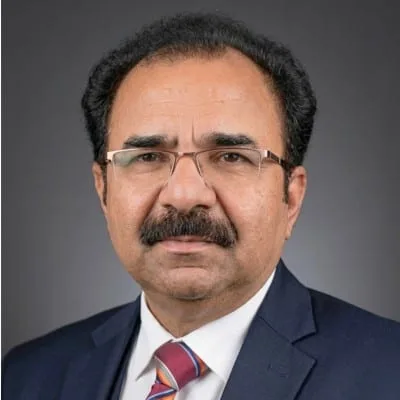
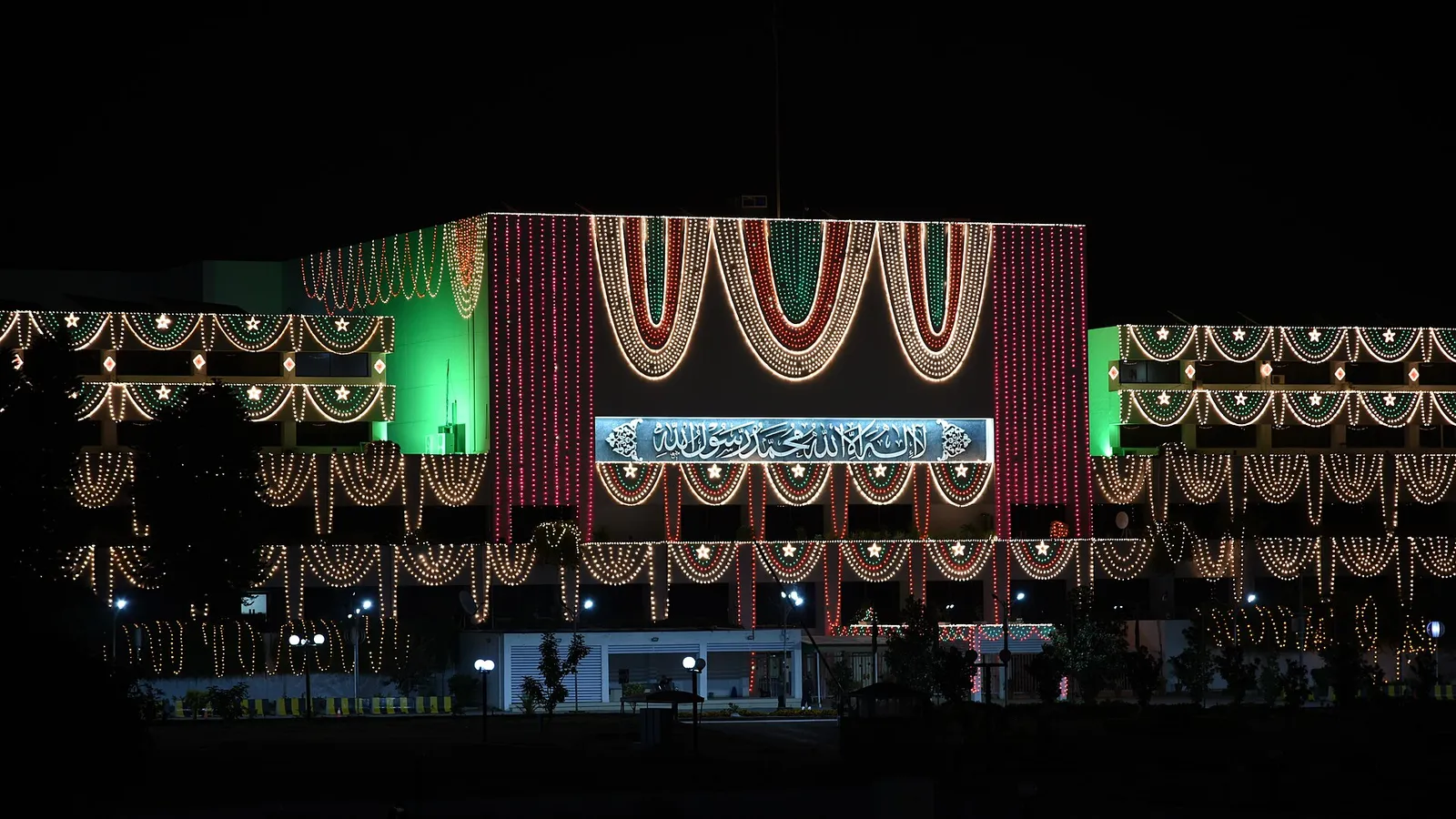
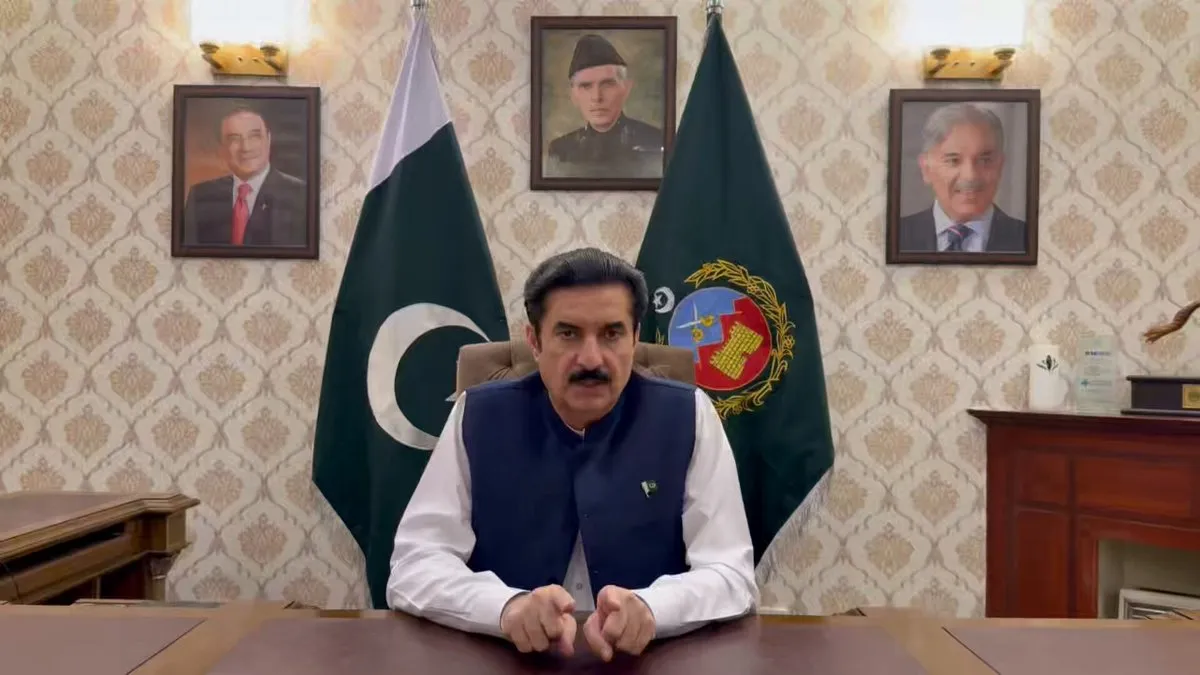
The federal government on Wednesday tabled a resolution in the National Assembly seeking parliamentary approval for President Asif Ali Zardari’s proclamation of emergency in Khyber Pakhtunkhwa, as Law Minister Azam Nazeer Tarar told the House that the province’s security situation had become a threat to national security.
Minister for Parliamentary Affairs Tariq Fazal Chaudhry presented the resolution under Article 232 of the Constitution, which requires both houses of Parliament to approve an emergency, The Express Tribune and Dawn reported. He also moved a motion to suspend Question Hour so the House could take up the matter. The opposition opposed it, but it was adopted by a majority. Dawn noted that opposition members sat calmly and staged no protest.
“A threat to national security”
Tarar said the federal cabinet examined “material” on terrorism in the province at its October 11 meeting before advising the prime minister to recommend the emergency.
He pointed to “internal disturbances” and cross-border infiltration, saying that since Sohail Afridi’s government took office on October 15, 2025, the situation had been “turning into a threat to national security to an alarming extent”.
The law minister cited figures on terrorism in the province:
- 2021 to 2024: 2,911 terrorist incidents
- October 15, 2025 to October 9, 2026: 3,787 incidents
He said terrorism had risen in KP especially after 2021 because of the provincial government’s approach. “Perhaps there might be foreign, diplomatic and political reasons behind it, which got inflamed due to a political party’s point of view,” he said.
Criticism of Afridi
Tarar accused suspended chief minister Sohail Afridi of ignoring martyred security and police personnel and of putting his political interests and travels around the country ahead of the fight against terrorism. “Even this was announced that the federal capital will be conquered,” he said, referring to the PTI’s planned long march on Islamabad.
He noted that some people had compared the move to the emergency imposed by former military ruler Pervez Musharraf on October 12, 1999. He thanked National Assembly Speaker Ayaz Sadiq for providing a platform for talks between the government and the opposition. He said the PTI had changed the draft agreement several times and then backed away, and had demanded the release and transfer of its jailed founder Imran Khan, though only the courts could grant such relief.
Section 144 in Dera Ismail Khan
Meanwhile, the district administration imposed Section 144 across Dera Ismail Khan district until November 11, citing law and order concerns, Dawn reported. The order by Deputy Commissioner Hikmatullah bans:
- Gatherings: public meetings, processions and rallies that could disturb public order or block traffic
- Pillion riding across the district
- Weapons: the display of weapons
- Structures: tents and temporary structures on public roads
Violators will face action under Section 188 of the Pakistan Penal Code. Section 144 is also in force elsewhere in the country, including in Karachi until October 20 and in Rawalpindi district for 30 days.
Why it matters
The government’s case rests on the numbers: terrorist incidents in KP rose sharply in the past year, and it argues that only firm federal action can turn that around. Parliament’s vote will now give the emergency its constitutional backing. Read our reports on Rana Sanaullah’s remark that the emergency could last until 2029 and on the imposition of emergency and governor’s rule.
This article draws on reporting by The Express Tribune and Dawn.
Comments
Comments are reviewed by our editors before they appear. Please keep them civil and on topic. See our terms.
No comments yet. Be the first to share your view.