

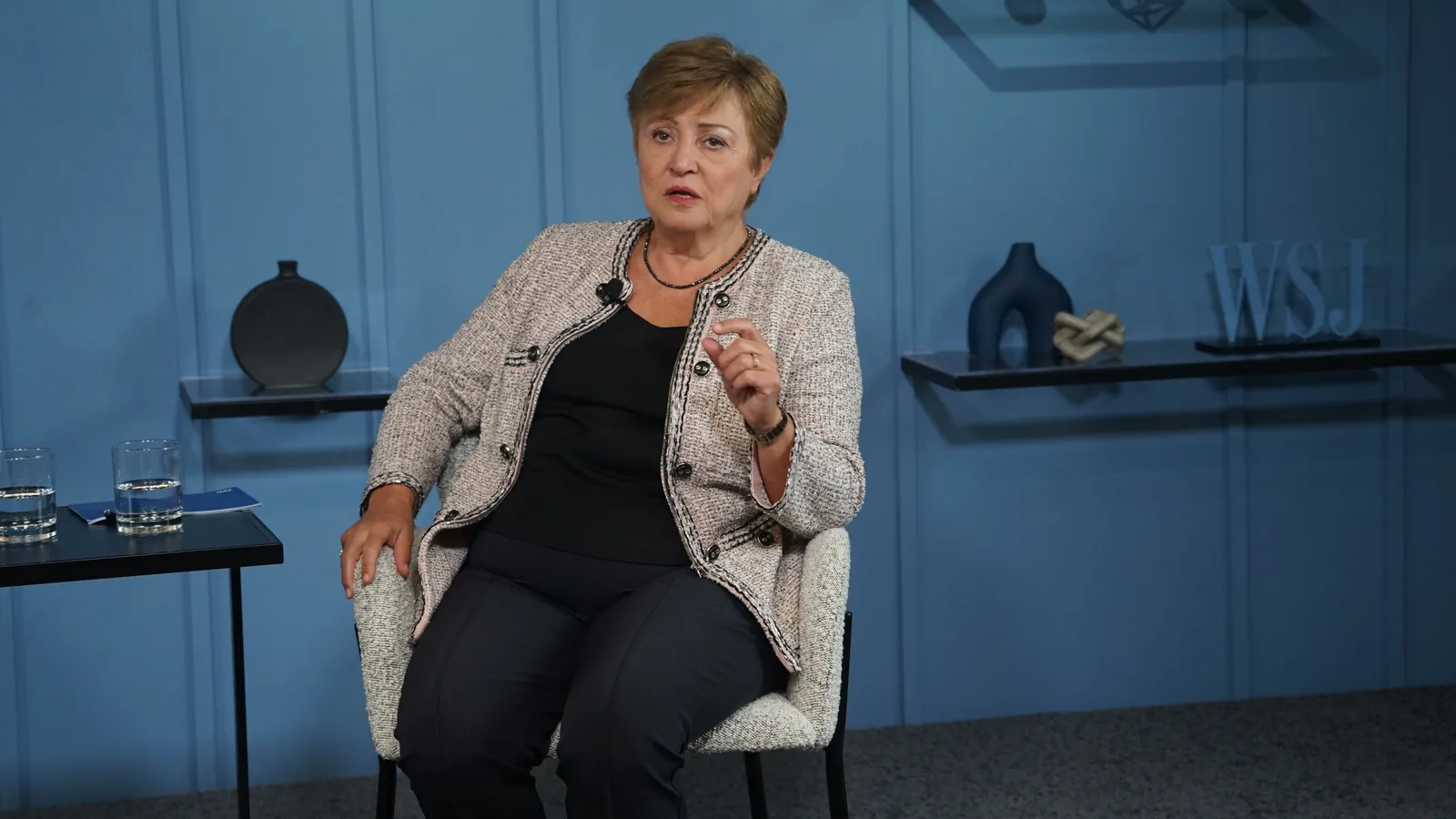
Artificial intelligence could help ageing Asian economies make up for shrinking workforces, the International Monetary Fund said on Monday, but only if its benefits spread evenly across the region instead of widening the gap between rich and poor countries.
IMF Managing Director Kristalina Georgieva said demography, economic integration and AI were the three big “transformations” facing Asia, speaking at the launch of an IMF book at the IMF and World Bank annual meetings in Bangkok, Dawn reported, citing Reuters.
Up to a point of growth
“AI is projected to lift up growth in advanced Asia, where the ageing populations are, somewhere between half a percentage and one percentage point… and what is amazing is that if the countries capture productivity and this growth, they will more than offset the demographic pressure,” Georgieva said.
The IMF’s findings show:
- A shrinking workforce: China, Japan and South Korea could lose nearly 25 percent of their working-age population between now and 2050
- AI could fill the gap: productivity gains from AI could offset that loss
- Trade helps too: deeper regional trade deals and fewer non-tariff barriers could raise Asia’s GDP by about 1.8 percent in the long run
The risk of a divide
Krishna Srinivasan, director of the IMF’s Asia and Pacific department, warned that AI could deepen differences between countries. “What matters is whether AI augments workers or automates jobs. Advanced economies, for sure, are more exposed, but they are also better placed to benefit. Emerging markets are less exposed, but also less in a position to capture the upside,” he said.
“The good news here is reforms that raise skills and productivity can bring adoption forward by a decade or more.”
Gates: cyberattacks are the near-term danger
Microsoft co-founder Bill Gates warned on Sunday that AI-powered cyberattacks would escalate over the coming year. “The real danger right now is not the AI’s getting out of control. We need to work on that, but that’s years away,” he told ABC News. “It’s really bad people using AI, particularly in AI where you can take out all the safeguards.”
“So when you have bad people, no safeguards, and then the latest models, that’s where, over the next year, primarily in the cyber area, we are going to have a lot of negative surprises,” he said, dismissing the idea that AI companies’ self-regulation was enough.
Brad Smith: “milk” has more rules
Microsoft president Brad Smith called for urgent global rules, telling the BBC that AI faces fewer safety requirements than milk. “Right now, your washing machine is subject to more safety rules than AI. Every carton of milk that you see in the grocery store is subject to safety rules and inspection,” he said, Geo News reported, citing Reuters.
Smith proposed that “victims” be told if a rogue AI agent breaches their systems, that an “emergency brake” be available, and that companies be legally required to file incident reports. He said Britain, with its AI Security Institute, was well placed to lead on regulation.
Why it matters
For emerging economies like Pakistan, the IMF’s warning is the key point: AI can lift growth, but countries that do not invest in skills risk falling further behind. Getting the rules right on safety and cyber threats will matter just as much as getting the gains. Read our report on resistance to AI data centres near Mumbai.
This article draws on reporting by Dawn, Geo News and Reuters.

Comments
Comments are reviewed by our editors before they appear. Please keep them civil and on topic. See our terms.
No comments yet. Be the first to share your view.