

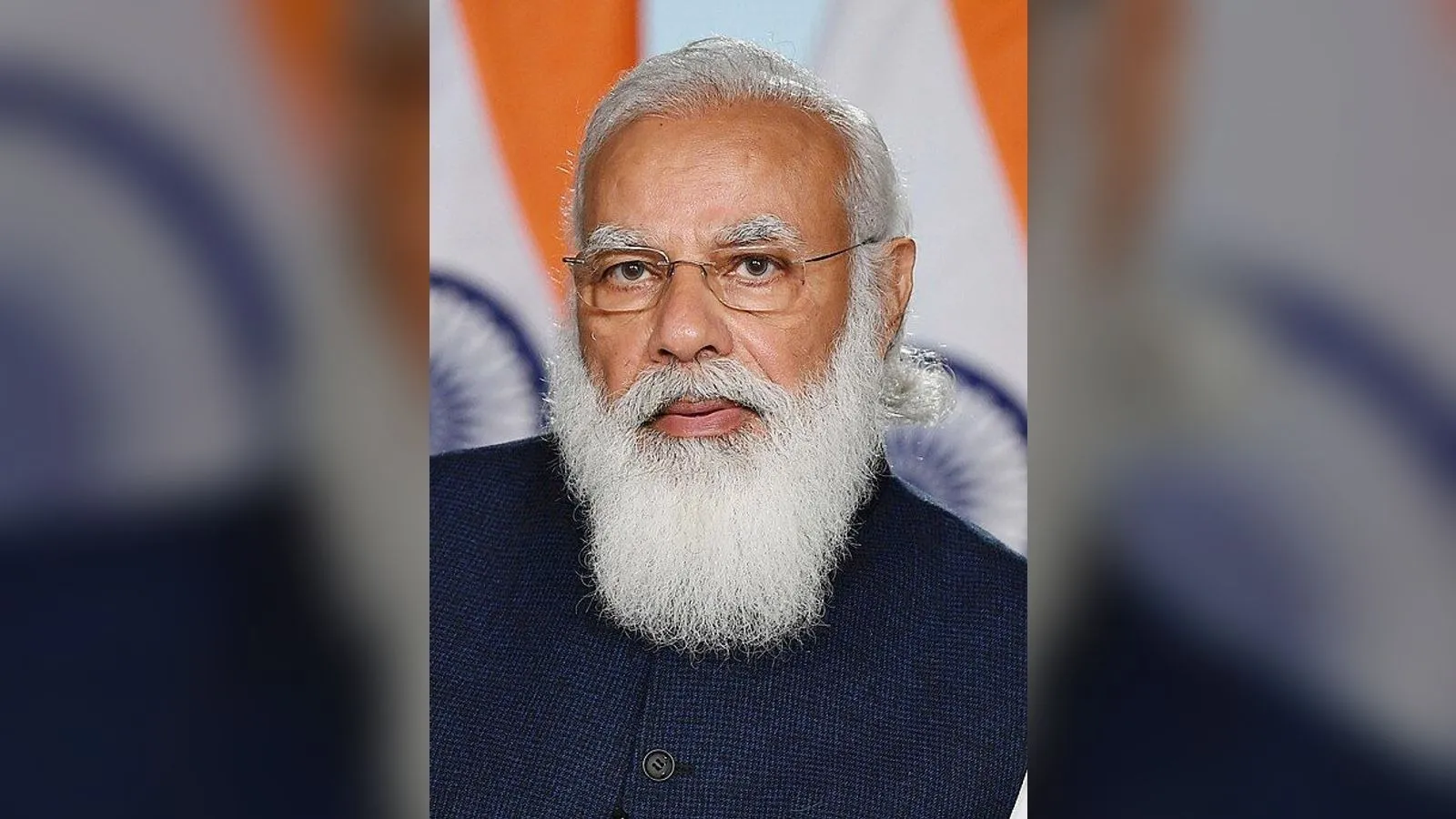
Prime Minister Narendra Modi’s drive to make India a global hub for artificial intelligence infrastructure is running into growing resistance from residents, with a planned Amazon data centre near Mumbai becoming one of the country’s most prominent flashpoints.
Amazon, Google and Microsoft are pouring billions into data centres that serve Modi’s ambition to host “the whole world’s data”, from Maharashtra in the west to Andhra Pradesh in the south, Dawn reported, citing a Reuters investigation. Unable for now to match frontier AI models from the US and China, India is betting that controlling the physical backbone of AI may prove just as valuable.
‘Data centres are energy vampires’
In Thane, on the outskirts of Mumbai, trees were felled for an Amazon facility that is part of the company’s planned $21 billion investment in Indian AI infrastructure by 2030.
“I would not have bought the house if I had known,” said Tushar Shetty, a 46-year-old engineer who bought a flat overlooking the site five months ago.
On September 8, hundreds of residents, including elderly people, gathered beside the 54-acre site holding placards reading “Data centres are energy vampires”, demanding that the project be moved. More than 1,000 residents say it was pushed through without proper consultation.
“If the data centre stops, we will stay… If it goes ahead, we will move,” said Vasudha Shetty, 62. “We will come out on the roads and do whatever it takes to stop it,” said Vidya Kadam, 68, who has lived in the area for 30 years.
Water and power fears
Residents fear the project will strain local water and power supplies and create noise harmful to children and the elderly. The figures behind their concerns:
- India holds 4 per cent of the world’s freshwater for 18pc of its people
- S&P Global estimates 60pc to 80pc of Indian data centres could face high water stress this decade
- data centres used about 150 billion litres of water in 2025, a figure projected to more than double by 2030, according to Mordor Intelligence
Amazon and the government respond
Amazon told Reuters the centre would use water-free cooling, a dedicated power supply separate from homes and noise-reduction measures, and that it had planted more saplings than the trees it removed. A person familiar with its planning said officials had indicated the protests would pass, but the company was preparing community outreach.
Modi’s government has promoted data centres as “the invisible engines powering India’s digital life”. The IT ministry, the Prime Minister’s Office and Maharashtra’s chief minister’s office did not respond to requests for comment.
Even some in the industry have doubts. “I will never set up a data centre in a residential area,” said Sharad Agarwal, chief executive of Sify Infinit Spaces, which runs 14 data centres.
Opposition spreads
- Politics: opposition legislator Aaditya Thackeray joined the Mumbai protests in September and said his party would move the project if returned to power.
- Andhra Pradesh: environmentalists oppose Google’s $15bn data centre project, citing risks to wildlife, water and power, and allege a temple’s land was used without permission. Google and the state deny wrongdoing.
- Microsoft has announced a four-year, $20.5bn investment plan for India, mostly for AI data centres.
Why it matters
India’s bet on hosting AI infrastructure depends on land, water and electricity in some of its most crowded and water-stressed cities. The protests near Mumbai show that the costs of that strategy are increasingly being felt by the communities living next door.
This article draws on reporting by Dawn and Reuters.




Comments
Comments are reviewed by our editors before they appear. Please keep them civil and on topic. See our terms.
No comments yet. Be the first to share your view.