
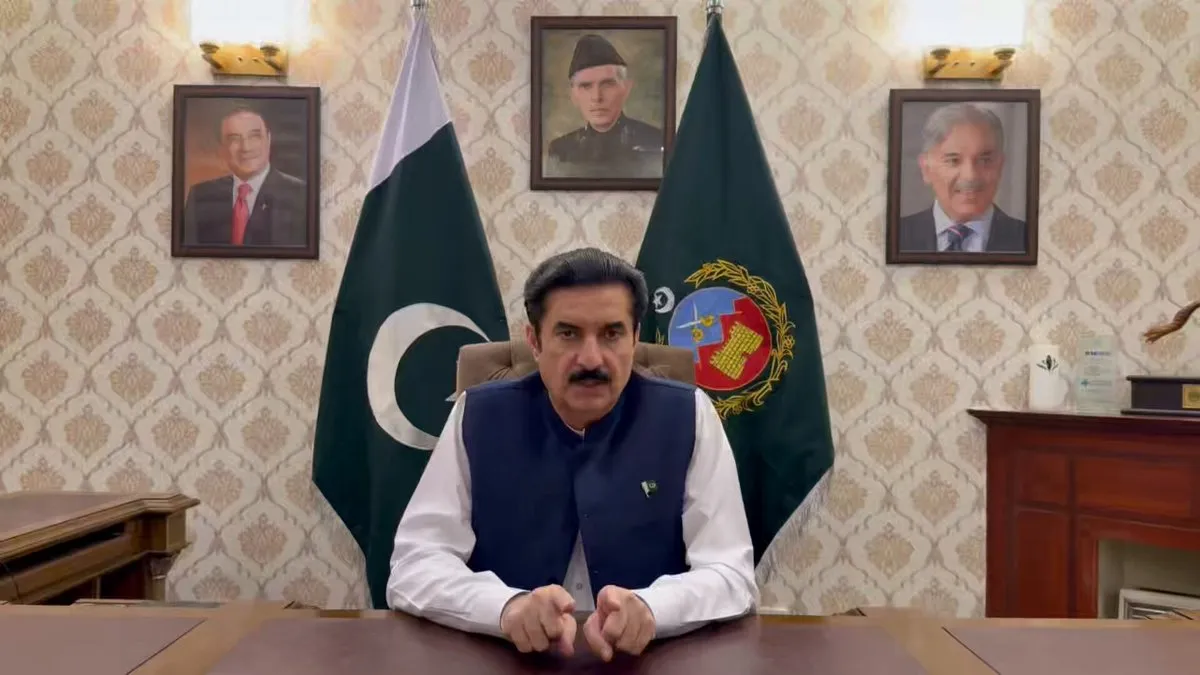
The federal government on Sunday imposed an emergency and governor’s rule in Khyber Pakhtunkhwa, after President Asif Ali Zardari approved the federal cabinet’s recommendation.
The measures were approved under Articles 232 and 234 of the Constitution, which deal with a proclamation of emergency and with governor’s rule, the President House said. The decision followed an emergency cabinet meeting chaired by Prime Minister Shehbaz Sharif, where ministers were briefed on the security situation in the province, Dawn reported.
Why the Centre acted
According to the Prime Minister’s Office, cabinet members took note of the “provincial government’s deliberate disengagement from the fight against terrorism”. Given the “gravity” of the situation, they proposed that the prime minister advise the president to impose an emergency in the province.
The Presidency said the president signed the summary “following the federal cabinet’s decision, the prime minister’s advice, reports from relevant institutions regarding the law and order situation, and the failure of negotiations with government delegations”, The Express Tribune reported.
Governor Faisal Karim Kundi had sent the prime minister a written explanation of the grounds for emergency measures about a week earlier, as part of the legal requirements, sources said.
What the two articles do
- Article 232 allows the president to proclaim an emergency when the security of Pakistan or any part of it is threatened by war, external aggression or internal disturbance beyond a provincial government’s power to control. During an emergency, Parliament can make laws for the province on matters outside the Federal Legislative List, and federal law prevails over conflicting provincial law.
- Article 234 covers governor’s rule when constitutional machinery fails in a province. The proclamation must be laid before a joint sitting of Parliament and lapses after two months unless approved. It can be extended two months at a time, but never beyond six months.
Article 233, which lets the president suspend some fundamental rights during an emergency, was not included in the summary signed by the president, according to Dawn. Separate sessions of the National Assembly and Senate have been agreed for October 13.
New officials
The federal government appointed Dr Muhammad Fakhr Alam Irfan, a Grade 22 officer previously serving as Power Division secretary, as KP’s chief secretary with immediate effect. It also placed Muhammad Yahya Akhunzada, an additional secretary at the Prime Minister’s Office, at the disposal of the KP government.
‘I will not allow them to destabilise the economy’
Addressing the cabinet, the prime minister said the PTI-led provincial government could not be allowed to derail the stabilising economy. “I will not allow them (PTI) to destabilise the economy,” he said.
On terrorism in KP and Balochistan, he said: “The way common citizens are being martyred, the way police officials and security officials, children and mothers [..] there can be nothing more heart-wrenching.” He said Pakistan had repeatedly urged Afghanistan to rein in terrorist elements, but “they still do not understand it”.
Governor appeals for unity
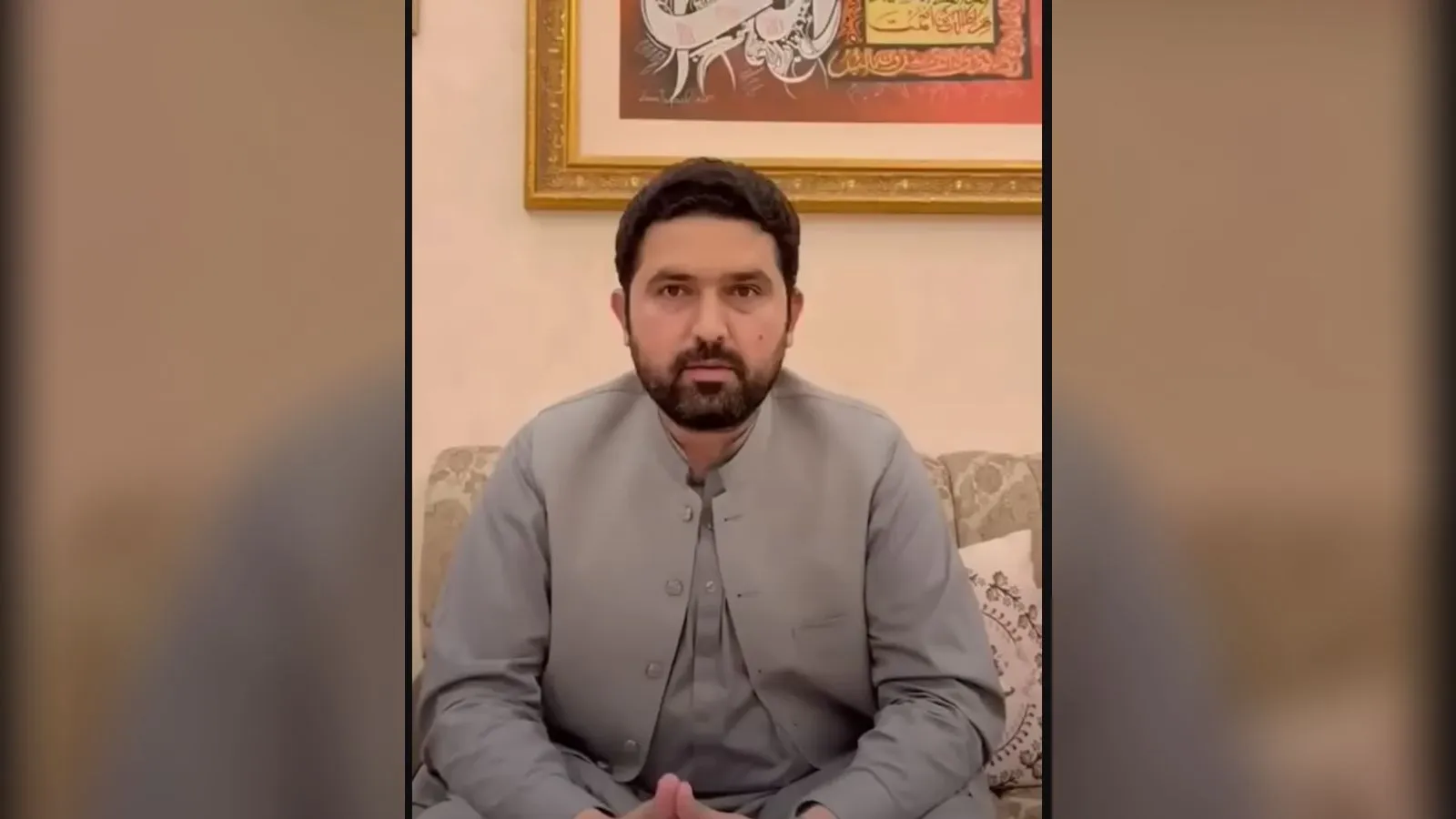
Governor Kundi said the decision was taken for “establishing peace in Khyber Pakhtunkhwa, the prosperity of its people, and the development of the province”. He urged people to set aside political differences: “Let us come together to bring peace to Khyber Pakhtunkhwa and begin a new chapter of our province’s development.”
PTI rejects the move
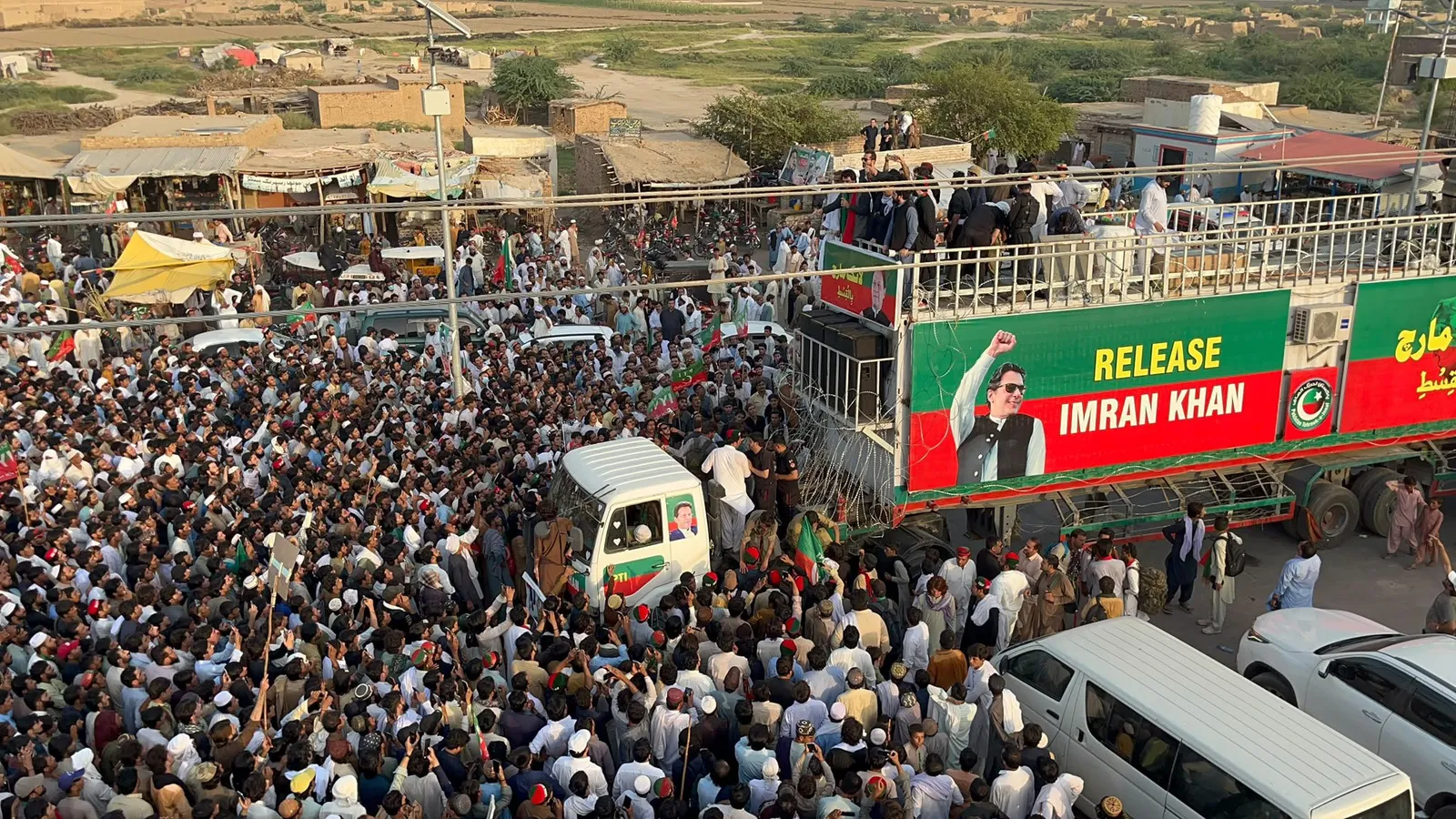
PTI Chairman Barrister Gohar Ali Khan called it “an extremely alarming and grave political mistake and an undemocratic measure”, and said the party would challenge it on every constitutional and legal forum. Read the PTI’s full response.
This article draws on reporting by Dawn and The Express Tribune.
Comments
Comments are reviewed by our editors before they appear. Please keep them civil and on topic. See our terms.
No comments yet. Be the first to share your view.