

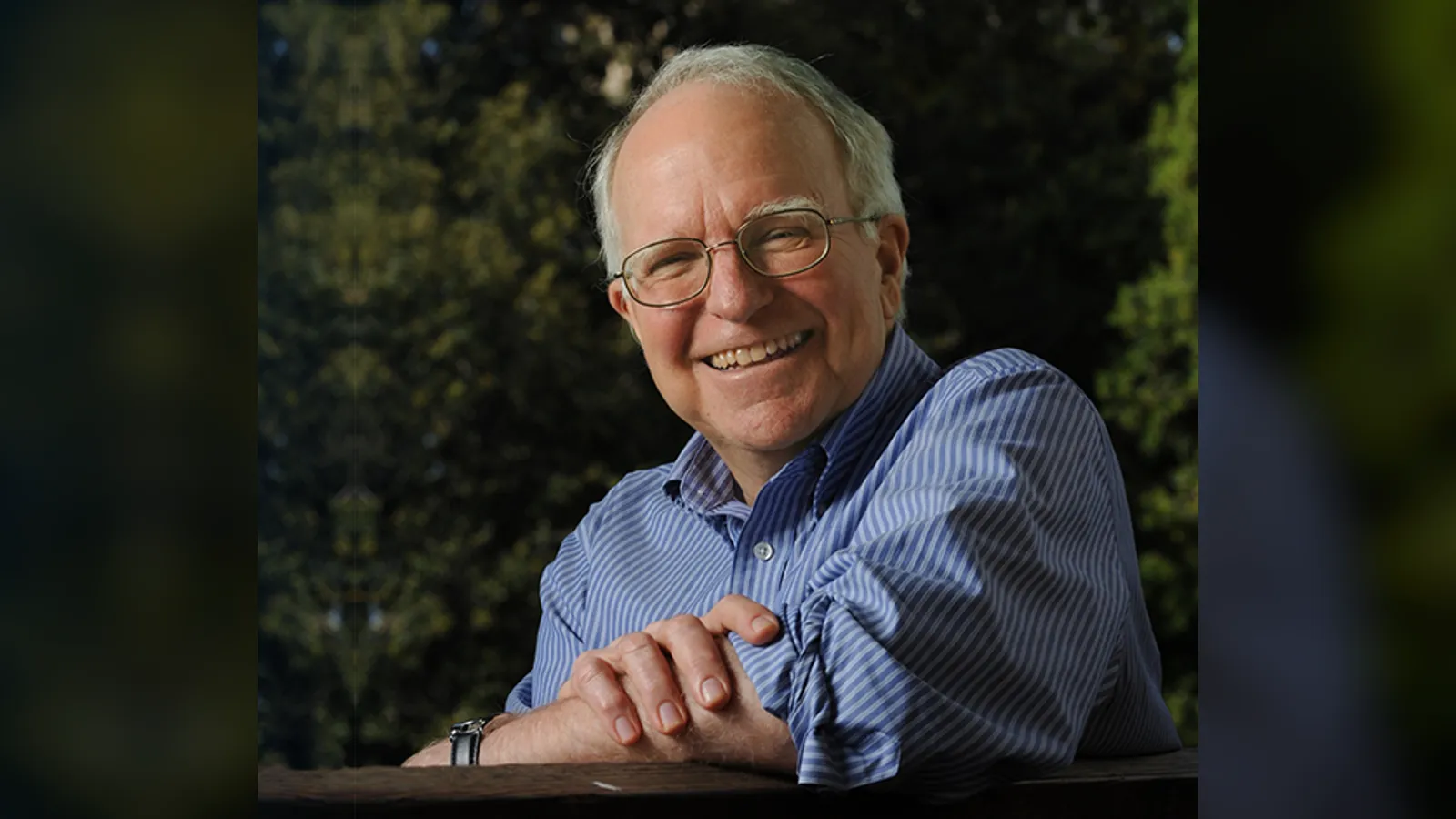
Americans Robert Hall and Michael Woodford won the 2026 Nobel Prize in economics on Monday for work on how governments and central banks can use fiscal and monetary policy to steady economies through recessions and crises.
“On the basis of these models, well-timed fiscal and monetary policy measures can reduce the economy’s peaks and troughs,” the prize jury said, Dawn reported, citing AFP.
Beyond Keynes
The Royal Swedish Academy of Sciences said that ever since John Maynard Keynes set out his theories almost a century ago, “stabilisation” policies had let officials boost growth when needed. But during the oil shocks of the 1970s, the Keynesian models that guided when and how to act stopped working.
Hall and Woodford, working separately, built new models to fill that gap.
What they changed
- Built from the ground up: “Rather than basing the models on statistical links between macroeconomic variables, such as inflation, production and consumption, they chose to build them on a microeconomic foundation,” the jury said
- People look ahead: the models assume households are forward-looking when they decide whether to spend or save
- Words matter: that means the way governments and central banks explain their plans can shape people’s expectations, and so their decisions
- In daily use: “The laureates’ work has provided us with a stable theoretical foundation for the models that are now used by central banks and governments around the world,” said John Hassler, chair of the prize committee
“Elated”
“It’s a surprise, but I’m feeling very good about it,” Woodford said by phone during the announcement, describing himself as “elated” by “a tremendous honour”. He said his work had not been “motivated by a specific political agenda”.
“It was an attempt to improve the foundations for discussion of economic policy and therefore to contribute both to the management of the economy, but also to contribute to public understanding,” he said.
Hall, 83, is a professor at Stanford University. Woodford, born in 1955, teaches at Columbia University.
The last prize of the season
The economics prize is the only Nobel not created in Alfred Nobel’s will; it was set up with a donation from Sweden’s central bank in 1968, but follows the same selection process. This year’s winners:
- Medicine: Karl Deisseroth, Peter Hegemann and Georg Nagel
- Physics: Francis Halzen
- Chemistry: Henri Kagan and Kenso Soai
- Literature: Anne Carson
- Peace: South African judge Navi Pillay
Last year’s economics prize went to Joel Mokyr, Philippe Aghion and Peter Howitt for research on how technology drives growth. The prize is worth $1.2 million, and the awards are presented on December 10, the anniversary of Nobel’s death in 1896.
Why it matters
When Pakistan’s State Bank explains where interest rates are heading, or a government sets out a budget plan to calm markets, it is using ideas these two economists helped build. Clear signals about future policy can steady prices and confidence, which matters for any economy recovering from a crisis. Read our reports on this year’s physics prize and on Anne Carson’s literature prize.
This article draws on reporting by Dawn and AFP.

Comments
Comments are reviewed by our editors before they appear. Please keep them civil and on topic. See our terms.
No comments yet. Be the first to share your view.