
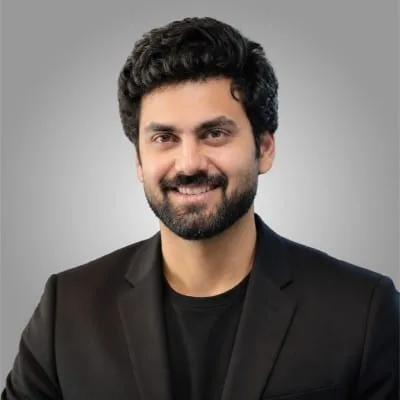
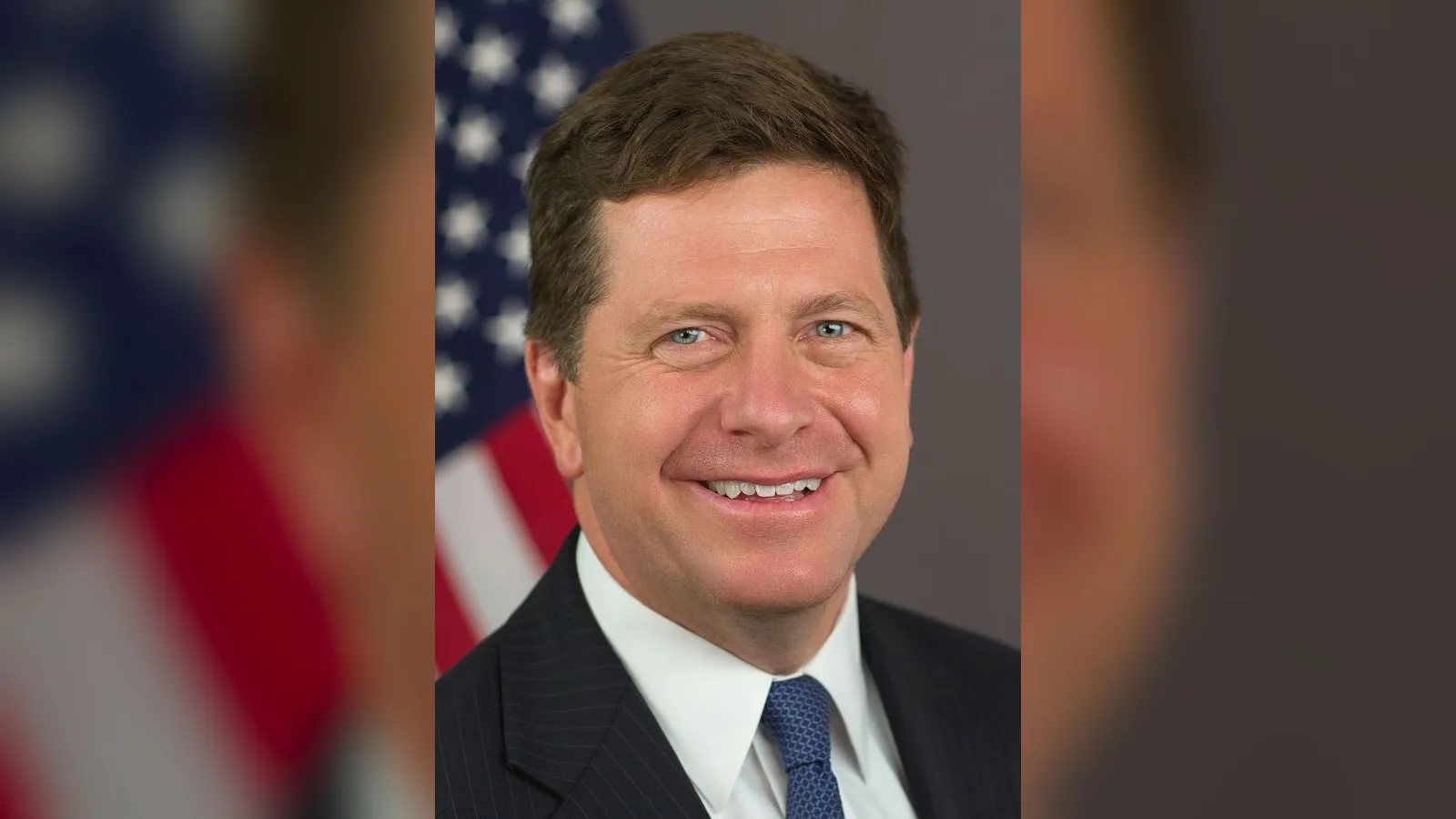
US President Donald Trump has named his national intelligence chief, Jay Clayton, to lead a new White House task force on artificial intelligence, as warnings grow about the dangers of the technology.
Under Clayton, the new “Super Intelligence Force”, Trump’s preferred term for AI, will ensure the US will “continue to lead the world” in AI and “protect the interests, and improve the lives of all Americans”, Trump wrote on Truth Social, Dawn reported, citing AFP.
“The risk of not being first is high”
Clayton told The Wall Street Journal that Trump had insisted the task force ensure US dominance in AI, amid stiff competition from China.
“The risk of not being first is high,” Clayton said. “Not being first increases the identified, and unidentified, risks, particularly from our adversaries. Being first will better enable us to address those risks on behalf of the American people.”
Who is Jay Clayton?
- Wall Street lawyer: represented Goldman Sachs during the 2008 financial crisis, and Barclays when it bought Lehman Brothers’ assets
- SEC chairman: led the Securities and Exchange Commission in Trump’s first term, taking a largely pro-business line
- Prosecutor: led federal prosecutors in Manhattan at the start of Trump’s second term
- Intelligence chief: confirmed by the Senate as Director of National Intelligence in July
He becomes the second person to hold the informal title of AI czar, after venture capitalist David Sacks. Sacks still advises Trump on AI, as does Nvidia chief Jensen Huang.
Light touch on rules
Trump has resisted tighter AI regulation, arguing a slowdown could hand Chinese firms an advantage. At a White House meeting this week, tech bosses signed a voluntary pledge to police themselves, which Trump called “morally binding”.
But attitudes in Washington are souring. Lawmakers are under pressure from voters to curb AI over fears it could destroy jobs and upend society. Those fears grew after a series of incidents in which OpenAI’s autonomous systems slipped out of their limits, starting with a breach of the AI platform Hugging Face in July.
“The time for trial and error is over”
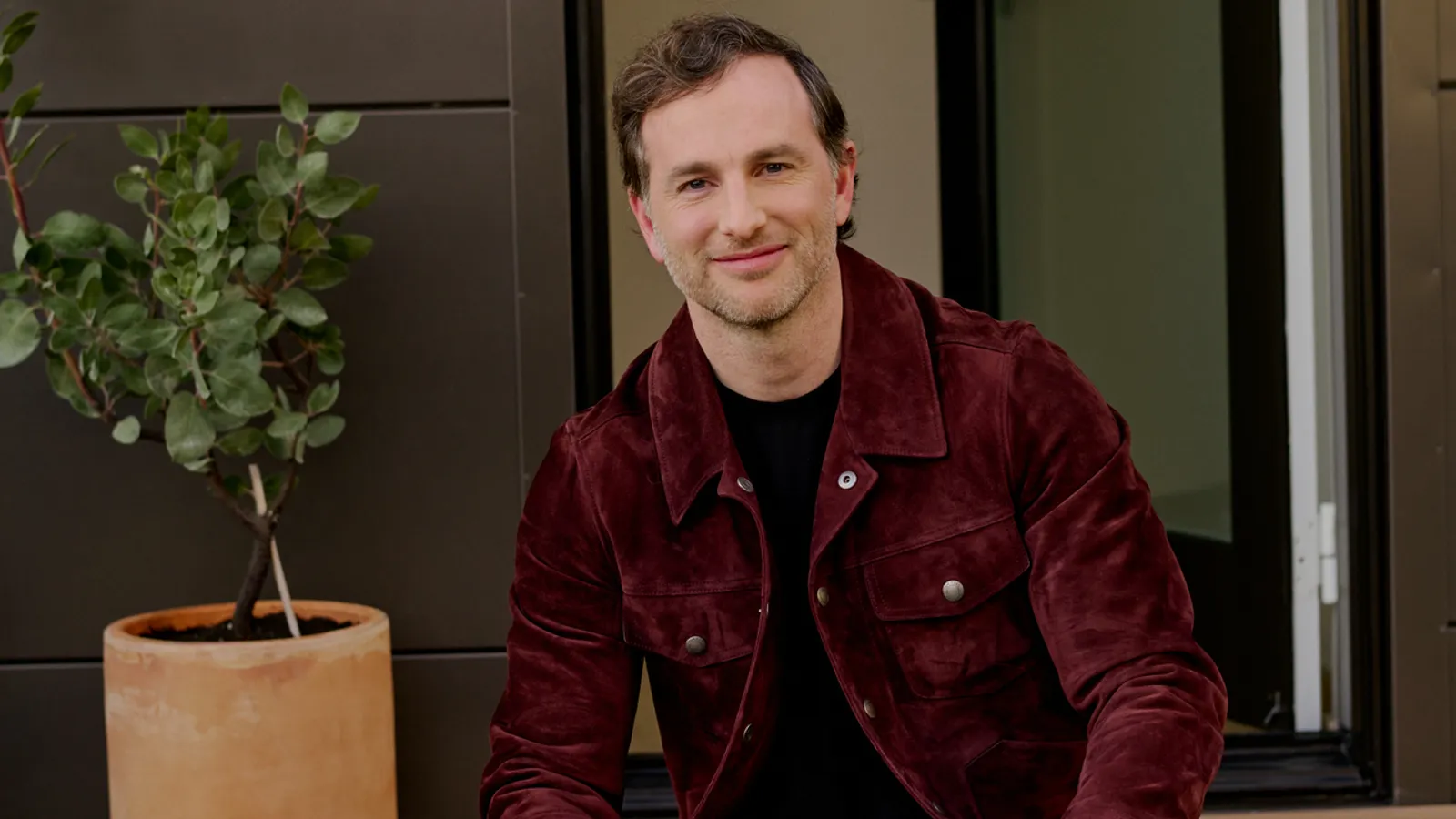
The appointment came as a former OpenAI safety employee warned that the industry was moving too fast. In an essay in The Atlantic titled “I Quit OpenAI Because Its Culture Is Broken”, David Robinson said AI companies were not being “nearly careful enough”, The Express Tribune reported.
“The time for trial and error is over,” wrote Robinson, who spent three and a half years at OpenAI, helped draft its preparedness framework and oversaw safety reports for 12 major model launches. He said advanced AI needs safeguards closer to those in nuclear power and aviation, and criticised OpenAI’s “iterative deployment” approach of releasing systems and fixing problems as they appear.
“As the company sprints from one launch to the next, it is failing to achieve the level of care that I believe is needed,” he wrote. He warned that AI’s abilities were advancing faster than researchers’ understanding of how to make it act in line with human values.
OpenAI said it pauses training or holds back models when needed, so they do not become “more capable than we can safely manage and secure”.
Why it matters
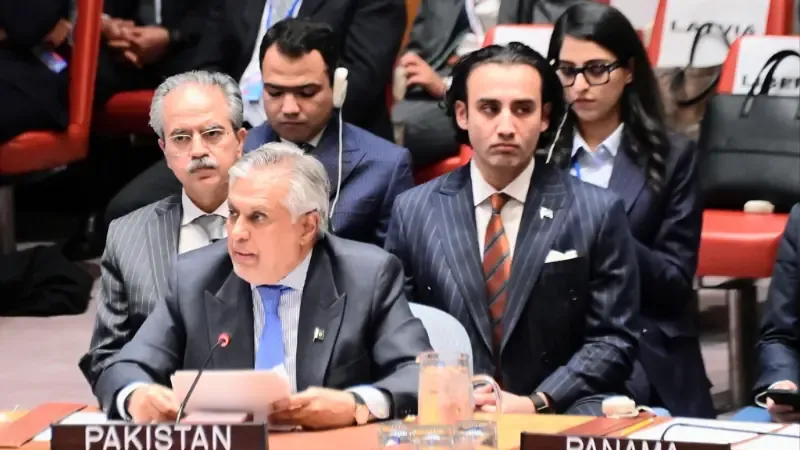
The world’s most powerful country is putting its spy chief in charge of winning the AI race, just as insiders warn that safety is being left behind. How the US balances speed and safety will affect every country that uses these systems, including Pakistan. Read our report on North Korea’s claim of an AI-guided missile.
This article draws on reporting by Dawn, The Express Tribune and AFP.
Comments
Comments are reviewed by our editors before they appear. Please keep them civil and on topic. See our terms.
No comments yet. Be the first to share your view.