

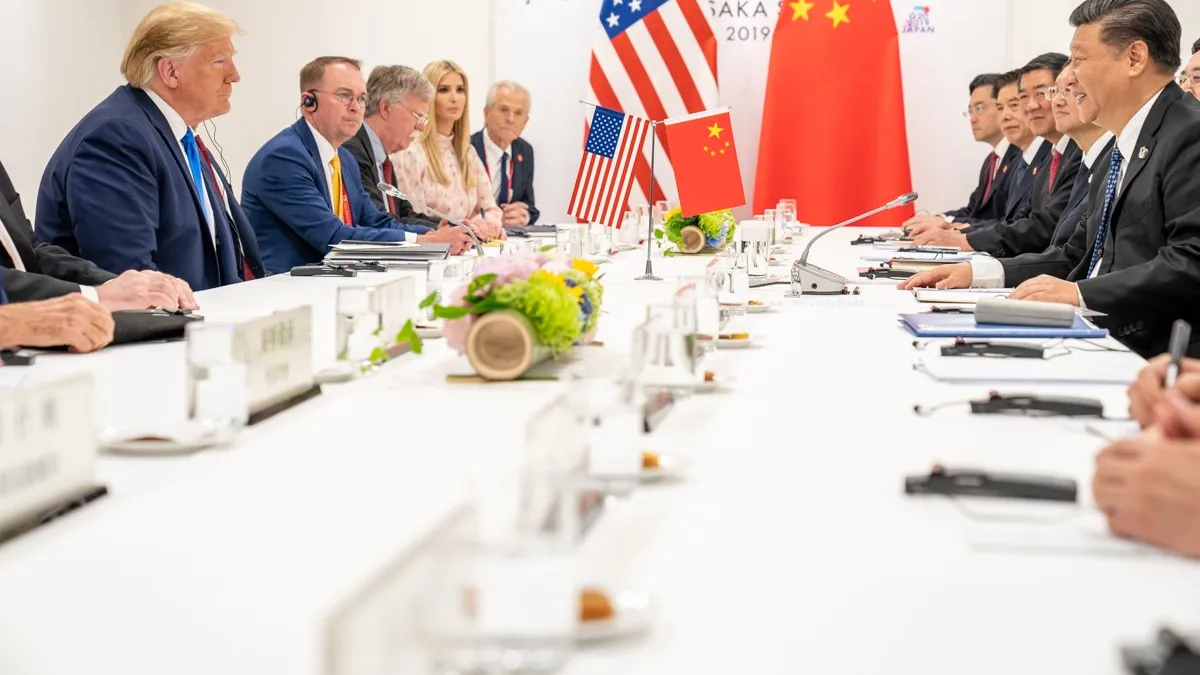
China says it “respects” the United States’ decision to stop calling the technology artificial intelligence and use the term “super intelligence” instead, after US President Donald Trump claimed that Chinese President Xi Jinping appeared to like the new wording.
From AI to ‘SI’
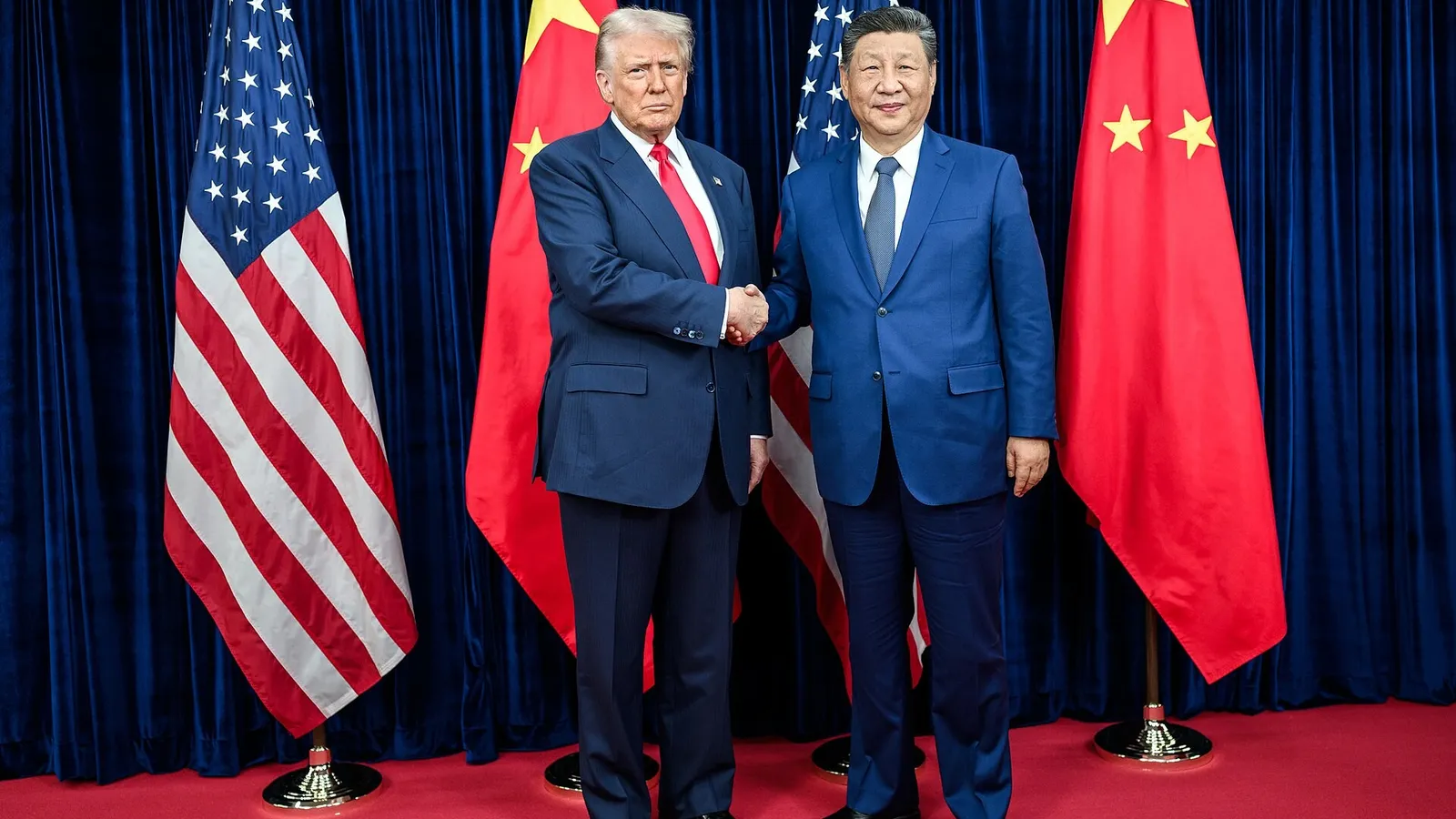
Trump announced on Tuesday that his administration would refer to AI as “super intelligence”, or SI, in official communications. After his summit with Xi in Washington later in the week, he wrote on his social media platform that Xi, “like almost everyone else”, seemed to prefer the new name over what Trump called the “poorly and inaccurately named” artificial intelligence.
China has neither confirmed nor denied Trump’s account of the conversation. But in a statement on Saturday, its foreign ministry said Beijing “attaches importance to the US side’s position and respects the US side’s wording”.
The statement added that AI technologies were continuing to develop and that “all parties can strengthen exchanges, discuss in-depth and seek consensus in light of the latest situation”, a carefully neutral response that neither adopts nor rejects the new term.
A channel for AI incidents
The naming debate should not overshadow a more substantive outcome of the summit. China and the United States agreed to establish a “communication channel” for AI incidents, according to both sides, a potential mechanism for the two leading AI powers to talk if something goes wrong.
Artificial intelligence was high on the summit agenda. Both leaders named it as an area for cooperation, even as the two countries compete fiercely to lead the technology.
Different tones on risk
The two leaders approach AI’s risks differently. Trump has repeatedly dismissed fears that AI could threaten humanity, and his administration has resisted international calls to slow development. Xi has struck a more measured tone, saying the technology must develop under human control.
The US position was on display at the United Nations this week. At a Security Council briefing on AI and international security, Michael Kratsios, director of the White House Office of Science and Technology Policy, said rapid progress was not a reason to pause AI development or constrain it with new governance structures.
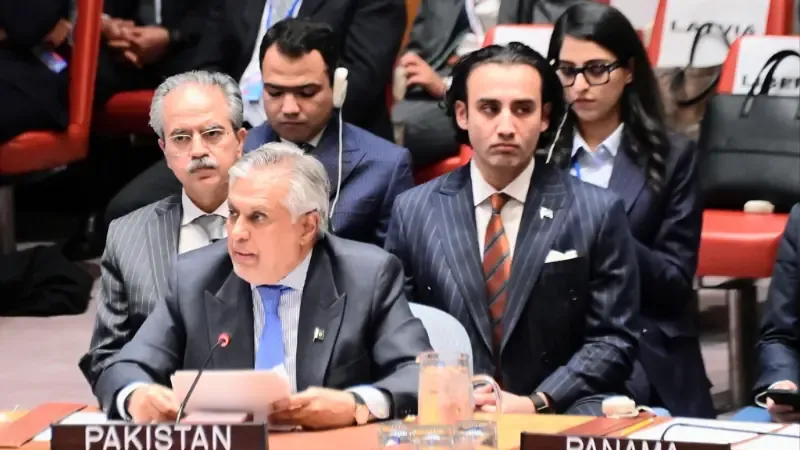
At the same briefing, leaders of major AI companies, including OpenAI’s Sam Altman and Anthropic’s Dario Amodei, urged caution, and Pakistan’s Deputy Prime Minister Ishaq Dar called for human control over AI and warned that it must not become “another facet of the ongoing arms race”.
Does the name matter?
The phrase “artificial intelligence” was coined in the 1950s and is used worldwide by researchers, companies and governments. The term “superintelligence” has typically been used by researchers to describe a hypothetical future AI that would far exceed human abilities across most tasks, which is why some critics argue that applying the label to today’s systems could blur an important distinction.
For now, the change applies to the US administration’s own communications. Whether businesses, researchers or other governments follow is another matter, and Beijing’s response, respecting the choice without adopting it, suggests China does not plan to.
Why it matters
For countries like Pakistan, which are trying to build technology industries and have called for inclusive global rules on AI, how the world’s two biggest AI powers talk to each other matters. A dedicated channel for AI incidents is a modest but meaningful step; a disagreement over the technology’s very name shows how much remains unsettled.
This article draws on reporting by AFP and Reuters, as published by Dawn.
Comments
Comments are reviewed by our editors before they appear. Please keep them civil and on topic. See our terms.
No comments yet. Be the first to share your view.