
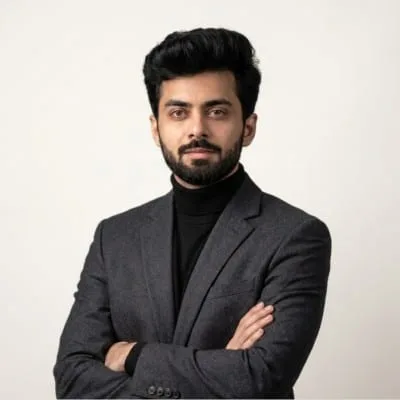
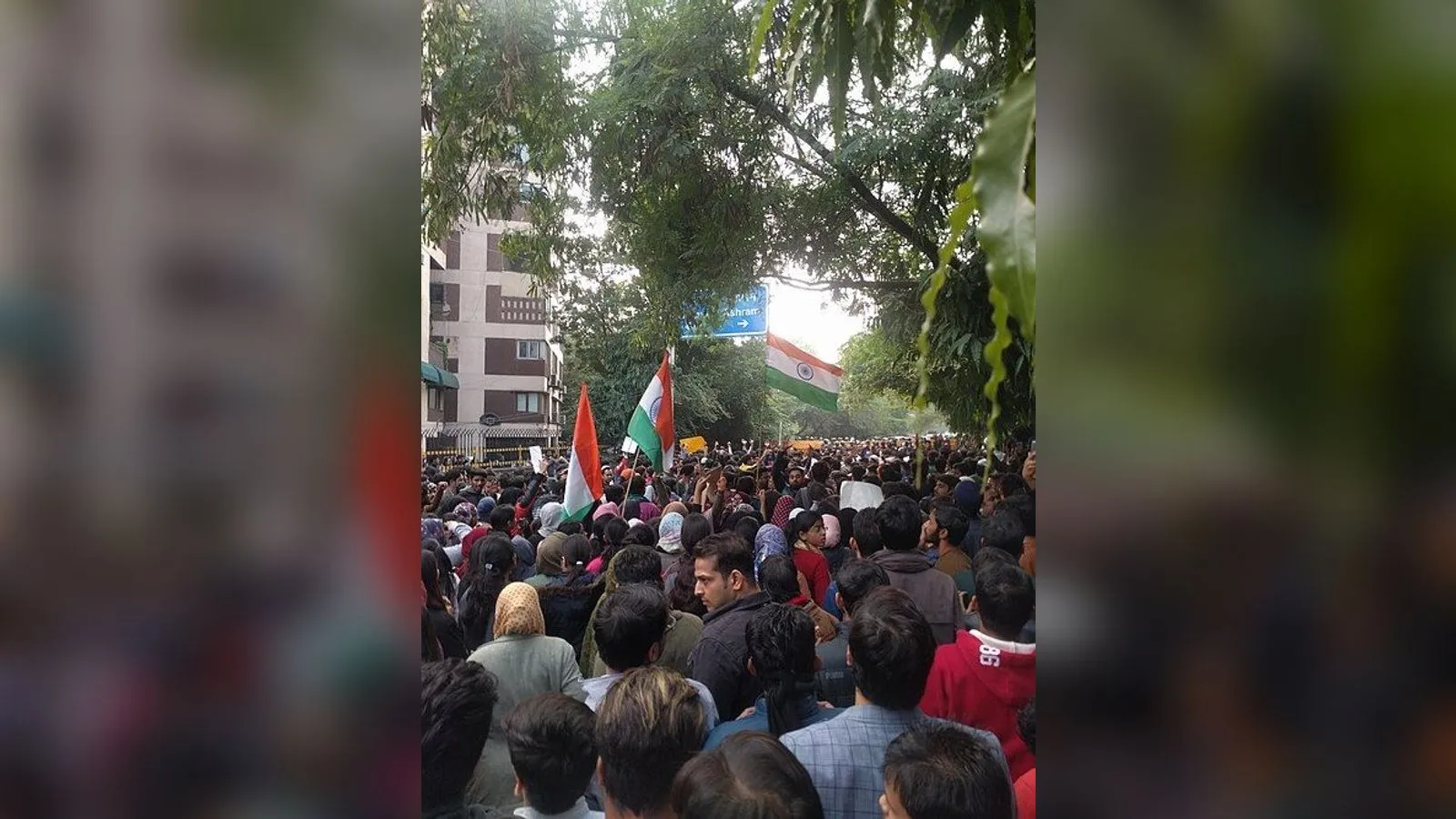
An Indian court on Sunday ordered the release of Abhijeet Dipke, founder of the youth-led Cockroach Janta Party (CJP), and two other leaders, as New Delhi braced for a second day of protests demanding the resignation of the country’s election chief.
Dipke, Ashutosh Ranka and Saurav Das were detained on Saturday before they could leave their plane in Delhi. An executive magistrate’s court released them on the condition of “no breach of peace for one year”, the CJP’s lawyer Ratna Singh said, Dawn and The Express Tribune reported. Dipke, in a white shirt, was driven away in a black car soon after leaving the court, AFP reporters saw.
More than 2,000 detained
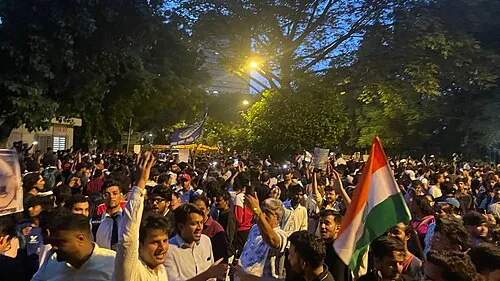
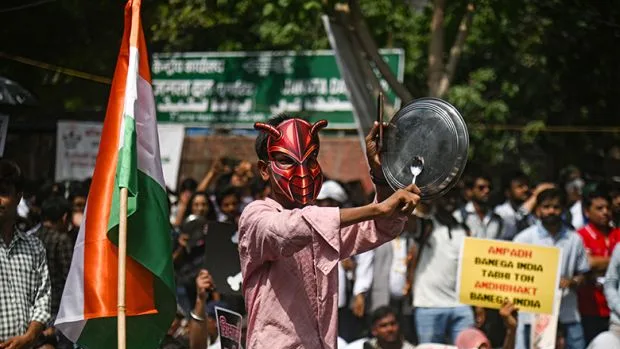
Police detained more than 2,000 people and locked down central Delhi to stop Saturday’s protest, The Express Tribune reported, citing Reuters. The CJP said thousands were held across the country.
- Most of those detained on Saturday were released late at night, police said
- YouTuber and activist Dhruv Rathee was freed after midnight on condition he would not join further protests, an interior ministry official said
- Thousands of police and paramilitary personnel remained deployed on Sunday, although metro stations reopened and mobile internet was restored
UN criticism, India pushes back
The UN High Commissioner for Human Rights called for the immediate and unconditional release of everyone “arbitrarily detained” in New Delhi, and urged authorities to respect the right to peaceful assembly.
India’s foreign ministry said the UN’s approach was “selective” and called its statement “an unwarranted interference in the internal affairs of India”.
‘Season 2’
The protesters want Chief Election Commissioner Gyanesh Kumar to resign over a revision of voter lists that critics say favours Prime Minister Narendra Modi’s Bharatiya Janata Party (BJP), in power for more than 12 years. Protests have spread since the Indian Express reported in late September that Kumar’s two deputies had raised internal concerns about the revisions.
Election Commission data cited by the BJP shows about 130 million names, more than the population of Japan, have been deleted, including 63 million who moved and 30 million who could not be traced. The commission and the BJP deny manipulation, but opposition parties say Muslims and other minorities have been hit hardest.
The CJP, which started as online satire, calls its campaign against Kumar “Season 2”, after its earlier street protests over exam leaks forced Modi’s education minister to resign. It says it will not stop until India’s election system is reformed.
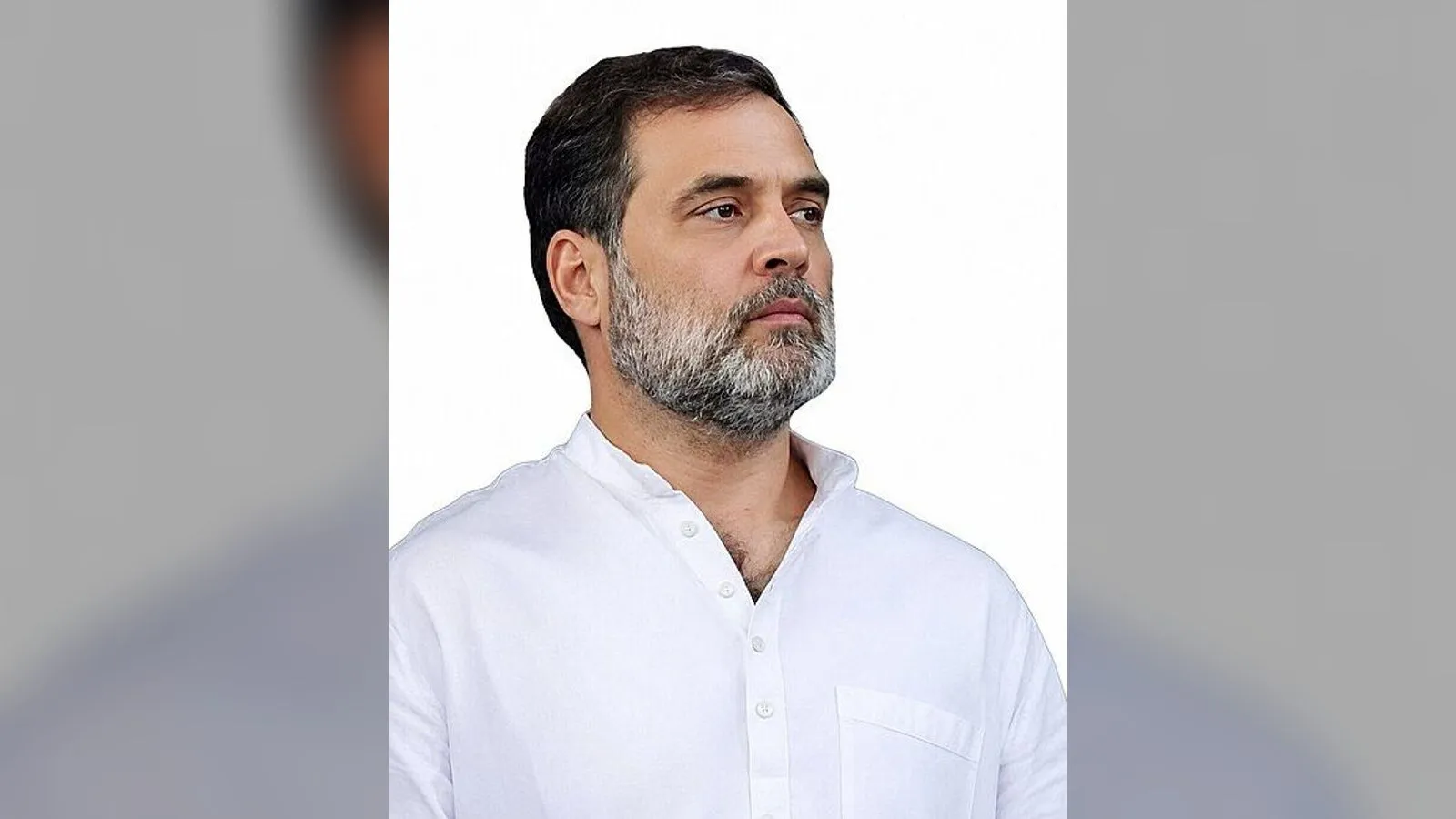
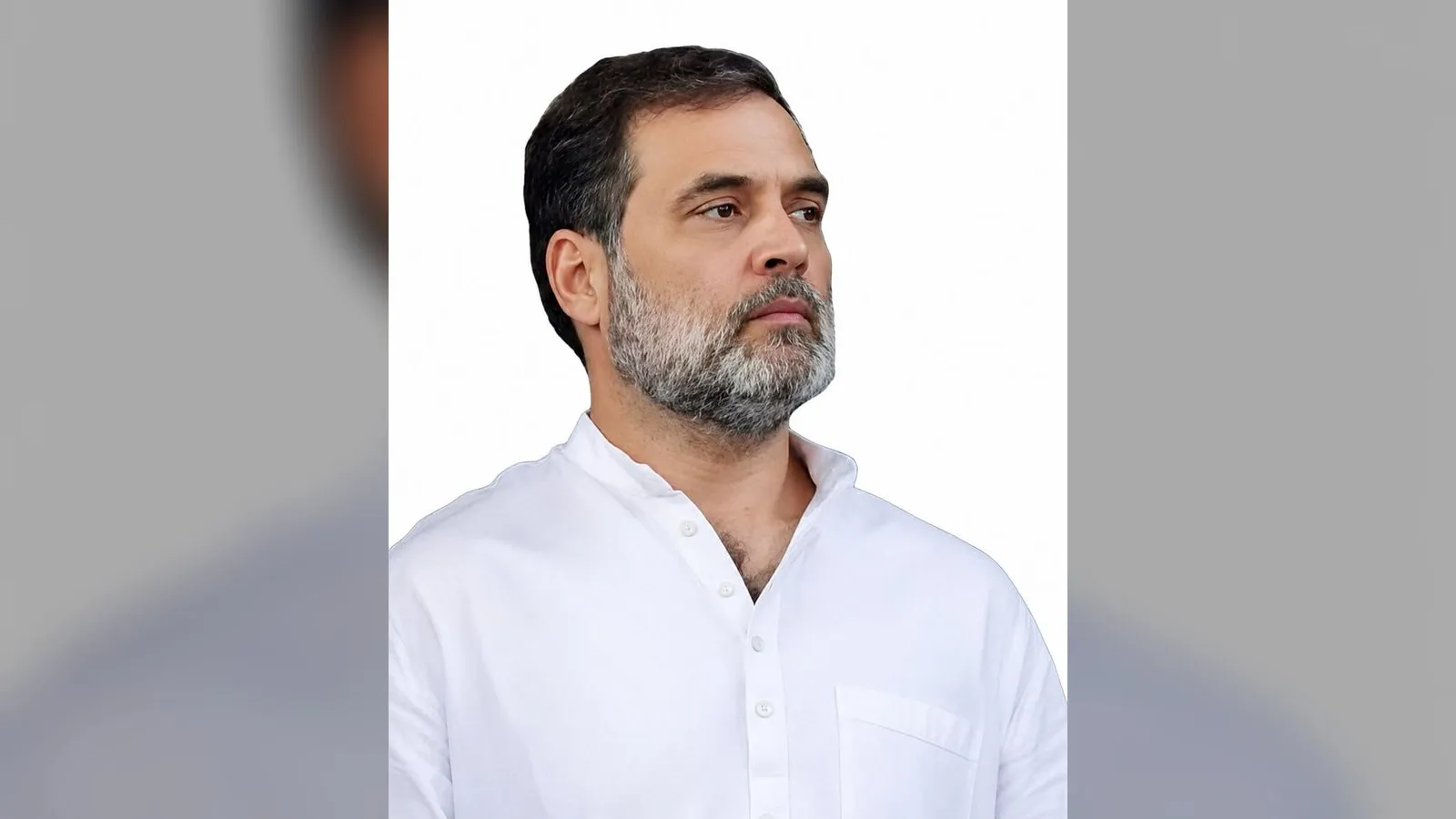
Opposition leader Rahul Gandhi said his Congress party “and the youth of the country will once again take to the streets in large numbers” on Monday. “The more Modi and his government crack down, the more the anger of Gen Z and students will grow,” he said.
Why it matters
The scale of the crackdown, and the UN’s criticism of it, have turned a youth protest into an international issue for Modi’s government, which insists the voter list revision is lawful. Earlier this week, BJP supporters circulated AI-generated fake posts falsely claiming Pakistani actresses backed the protests.
This article draws on reporting by Dawn, The Express Tribune, AFP and Reuters.
Comments
Comments are reviewed by our editors before they appear. Please keep them civil and on topic. See our terms.
No comments yet. Be the first to share your view.