

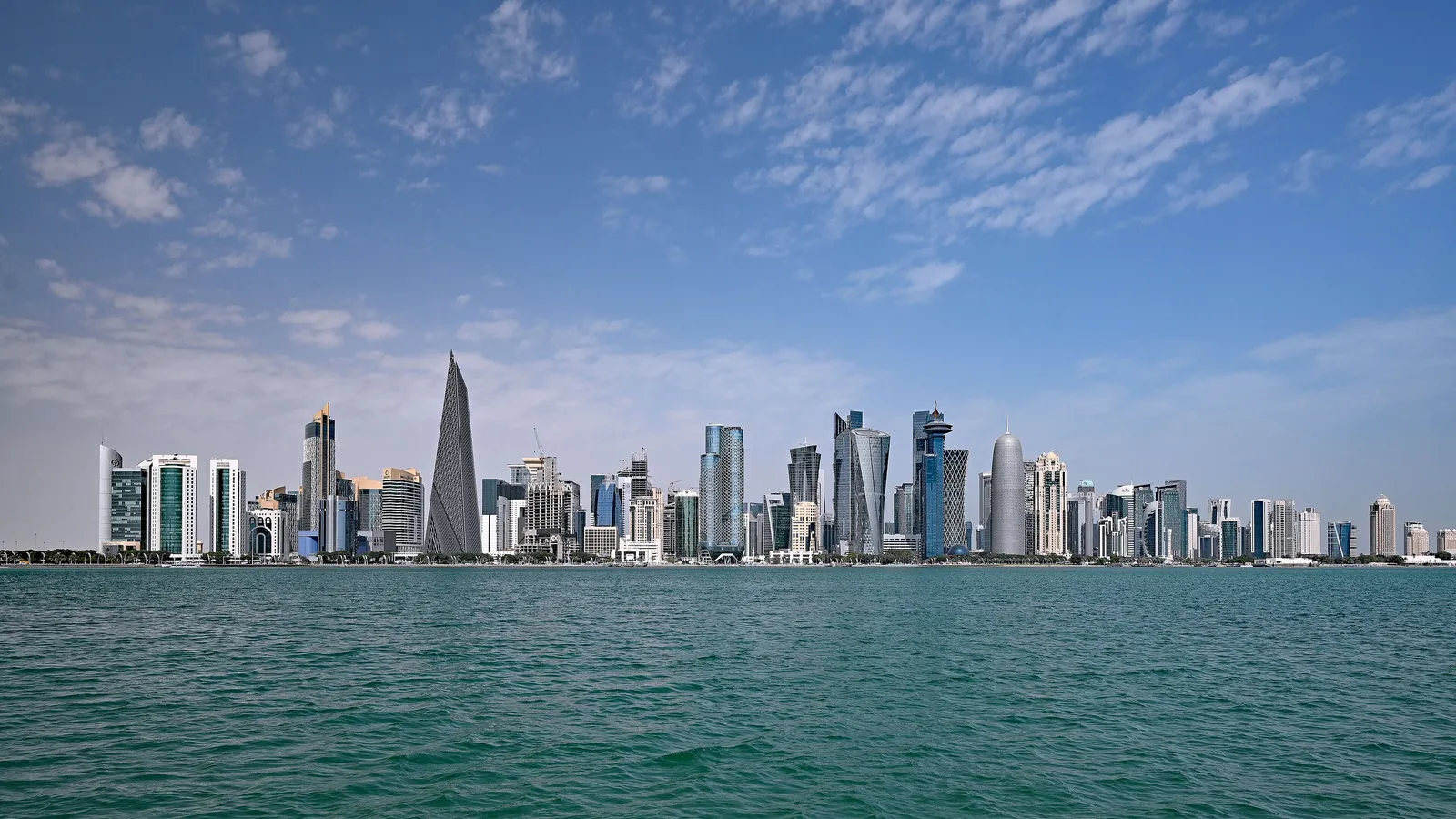
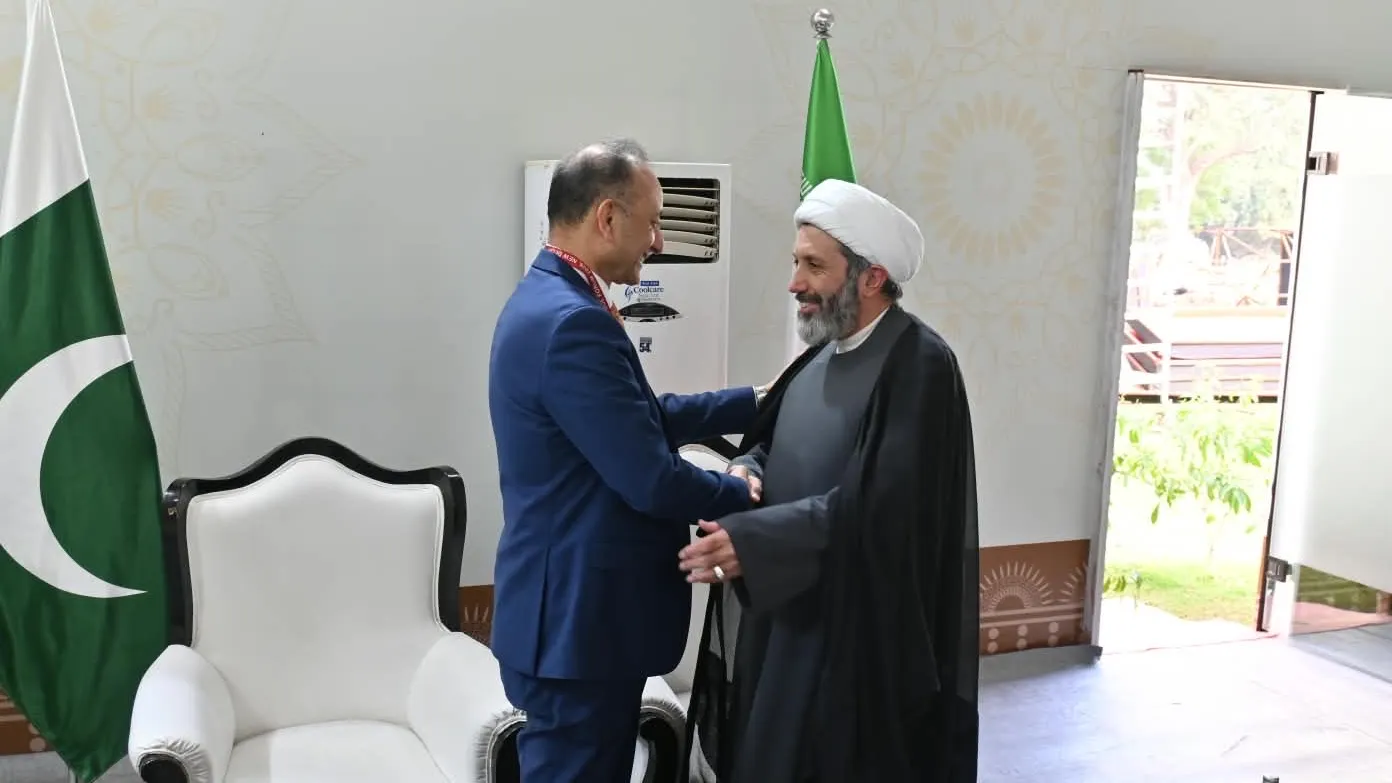
Qatar’s interior minister, on his first visit to Pakistan, joined his Pakistani counterpart on Thursday in signing an MoU on security cooperation and a plan of action against drug smuggling, the Prime Minister’s Office (PMO) said.
Interior Minister Mohsin Naqvi and Sheikh Khalifa bin Hamad bin Khalifa Al Thani put their names to the papers, with Prime Minister Shehbaz Sharif looking on. The MoU is between Qatar’s Internal Security Force, known as Lekhwiya, and Pakistan’s Federal Constabulary, the PMO said.
What was agreed
| Area | What the statements say |
|---|---|
| Security cooperation | MoU between Lekhwiya and the Federal Constabulary |
| Drugs | An action plan to prevent drug smuggling |
| Police | Ministers agreed to expand the exchange programme for police officers |
| Cyber | Ministers agreed to enhance cooperation between Qatar’s National Cyber Security Agency and Pakistan’s National Cyber Crime Investigation Agency |
The first two items were announced by the PMO and the last two in a separate interior ministry statement, Dawn reported. Lekhwiya is the name by which Qatar’s Internal Security Force is known, and the Federal Constabulary is the Pakistani force that is the other party to the MoU. The ministers’ signatures put the interior ministries of both countries behind the agreement, and the prime minister’s presence at the signing gave it his backing. Neither statement published the text of the MoU or the action plan, so the detail is not available to us.
The prime minister’s message
Mr Shehbaz welcomed the Qatari minister “warmly” and reaffirmed what he called the long-standing brotherly relations between the two countries. He thanked Qatar’s leadership for standing by Pakistan, and singled out its continued supply of liquefied natural gas, which helps Pakistan meet its energy needs.
He noted that close to 300,000 Pakistanis work in Qatar and said economic ties could grow in trade, investment, farming, livestock, IT and minerals.
The Qatari minister thanked Pakistan for its hospitality, passed on the Emir’s good wishes to the prime minister, and welcomed Pakistan’s part in promoting regional peace, the statement said.
The context
Energy is the strongest link. Qatar is a key LNG supplier, and Pakistan has been in talks with it about cargoes and price: see our reports on Pakistan’s request for cheaper LNG and extra winter cargoes and on the revised LNG deal. Qatar has also been one of the mediators, alongside Pakistan, in efforts to end the US-Iran war, as the earlier reports on this site have covered.
What is not said
The two statements give no figures: no number of police officers to be exchanged, no budget for the drug plan, no timeline. They do not say which drug routes the plan targets or what the cyber cooperation will cover. Without the text, the best reading is that this is a framework, with the detailed work to follow between the two security agencies.
Why it matters
Police cooperation and cyber cooperation are practical areas where the two countries can show results, if the agreements lead to working arrangements. The signing also fits a wider pattern of Pakistan building security and defence ties with Gulf states, which our reports on the Makkah and Badr pacts have covered.
What to watch: whether the MoU text or action plan is published, whether the exchange programme gets names and dates, and whether the visit leads to any new decision on LNG supplies.
Comments
Comments are reviewed by our editors before they appear. Please keep them civil and on topic. See our terms.
No comments yet. Be the first to share your view.