
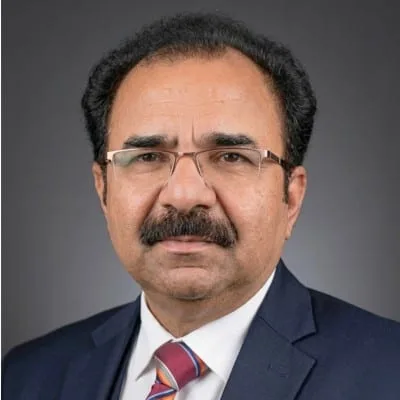
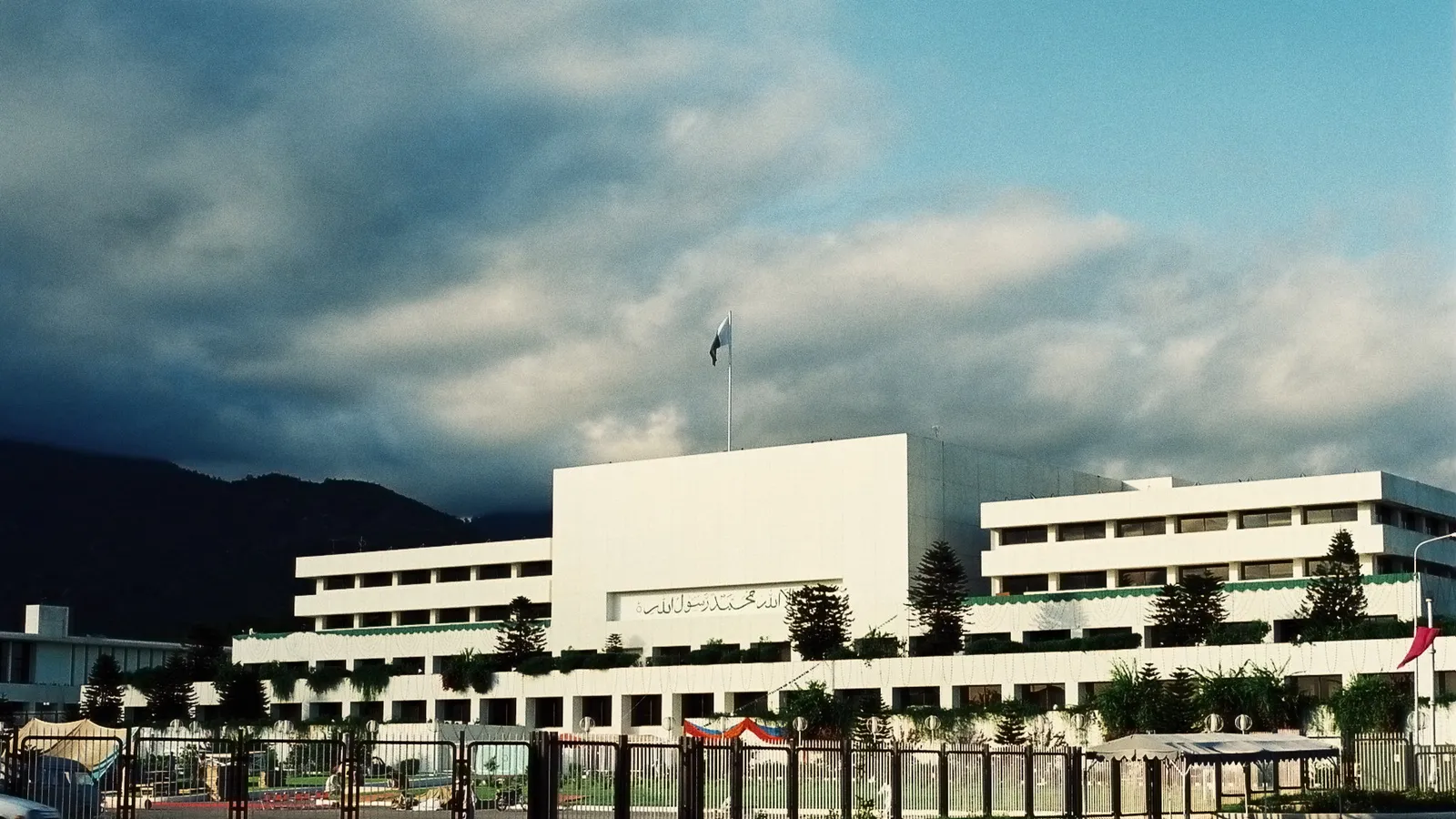
After meeting in Islamabad on Thursday, President Asif Ali Zardari and Prime Minister Shehbaz Sharif agreed to resolve “all matters” by talking them through, the Presidency said, two days after the PPP chairman’s sharp speech on new provinces. Dawn reported the statement.
What the Presidency said
The meeting reviewed the “current political situation” in detail, and also discussed the Middle East conflict, according to the Presidency. Interior Minister Mohsin Naqvi, who was the target of pointed remarks by the president’s son, Pakistan Peoples Party (PPP) chairman Bilawal Bhutto-Zardari, was in the room.
The leaders will sit together, the statement said, and settle matters by consultation. It added that earlier constitutional amendments were passed after consultation among all the allied parties.
That last line may be a reply to Mr Bilawal’s remark in Karachi that the 27th Amendment was passed on a “brute majority” rather than by agreement. The statement does not say so, and the parts of it available to us do not mention new provinces or a referendum.
The sequence of the row
| Day | Event |
|---|---|
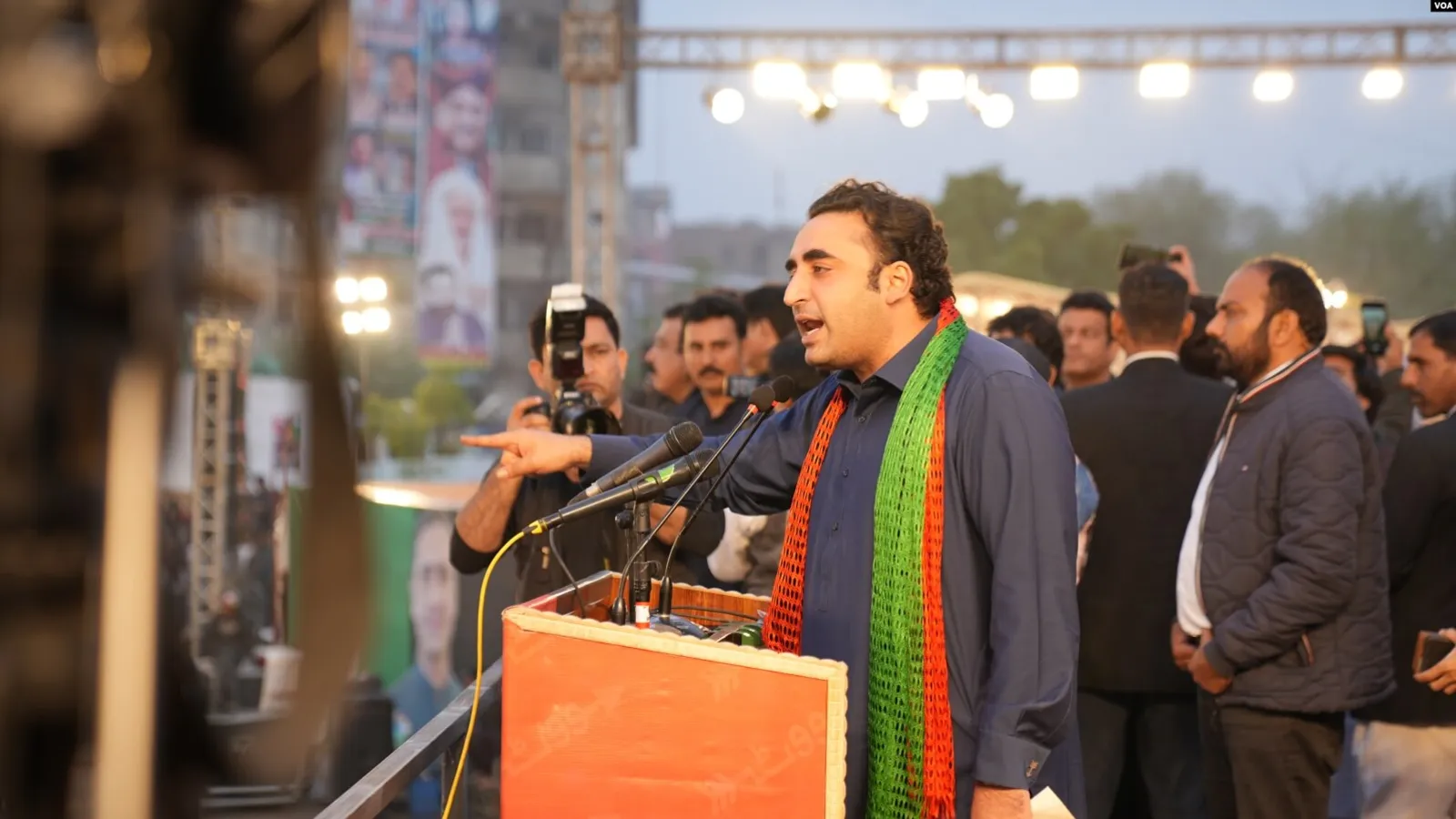
| Tuesday | Bilawal Bhutto-Zardari warns at the Karachi Press Club that dividing Sindh by force would mean bloodshed and opposes a referendum |
| Wednesday | Khawaja Asif, Attaullah Tarar and MQM-P answer him; Asif says anyone claiming equity must come with clean hands |
| Thursday | President and prime minister meet; MQM-P’s convenor asks the courts to act on the bloodshed remark |
We covered the first two stages in our report on the PML-N’s reply to Bilawal.
MQM-P presses its case
MQM-P convenor Dr Khalid Maqbool Siddiqui held a press conference in Karachi on Thursday and urged the courts to take suo motu notice of Mr Bilawal’s remark. Dawn quoted Mr Bilawal as having said that if Sindh is divided, blood would flow on its streets; asked about it a day later, Mr Bilawal said he was not issuing a threat but warning about the likely reaction to a division of Sindh.
Dr Siddiqui said his party expects to be answered with arguments, not threats. He asked why there would be bloodshed in Karachi, Hyderabad, Mirpurkhas or Nawabshah if the demand is for new provinces across the whole country, and alleged that the PPP’s objection arises because Karachi contributes 97 per cent of Sindh’s budget. The PPP has not responded to these claims in the reports we have seen. He also called the present system a “feudalistic democracy”. Those are his allegations.
The prime minister’s own remarks
Earlier the same day, Mr Shehbaz told the American Business Council of Pakistan that the country’s economic gains owe much to teamwork between the military and political leaderships. He said such a partnership had never existed before in Pakistan, credited Field Marshal Asim Munir and his team, and recalled that default was a real threat in 2023.
On energy he was more cautious: despite the Gulf crisis, he said, Pakistan is stable, but the situation is “very fragile” on energy needs, and the country brings in over 90 per cent of its energy from abroad. He said Pakistan was working with friendly countries to talk to both Tehran and Washington.
Why it matters
A joint statement from the President and the prime minister is a way of cooling the temperature. It commits no one to a particular outcome. The phrase “all matters” is the key one, because it can cover the 28th Amendment, the question of new provinces and the opposition’s demands. Whether it does depends on whether a meeting follows with the PPP chairman and the other allies.
Three questions remain unanswered. Will Mr Bilawal, as party chairman, be part of the talks? Will the government publish what it proposes on provinces before it asks anyone to vote on it? And will the opposition be invited? Our columnist Bilal Javed has argued that process, not a deal behind closed doors, is what the country needs.
Comments
Comments are reviewed by our editors before they appear. Please keep them civil and on topic. See our terms.
No comments yet. Be the first to share your view.