
The argument over carving up Pakistan’s provinces moved off the street and towards the negotiating table on Thursday. PML-N is preparing to reach out to the Pakistan Peoples Party (PPP), MQM-P and other parties, MQM-P has postponed the rally it had planned for November 29, and the Sindh government has set up a committee to talk the parties into keeping their rival demonstrations off the roads.
PML-N: a committee first, then perhaps a conference
PML-N sources told Express Tribune the party leadership has decided to approach all parliamentary parties about the political situation and the proposals for new provinces or administrative units. They said it would form a political coordination committee of senior leaders to hold the consultations and work out a joint position on key national issues.
The sources described a possible sequence. The federal government may convene a national political conference. If consensus emerges, proposals could go to parliament, and a parliamentary committee might be formed to work out the constitutional detail. The talks would also cover terrorism, the economy and a workable local government system. The party’s central leadership is also examining the idea of a referendum and another constitutional amendment.
None of this has been announced by the government. It rests on unnamed party sources, and further decisions depend, they said, “on the evolving political situation.” The sources linked the move to Thursday’s meeting between President Asif Ali Zardari, Prime Minister Shehbaz Sharif and Interior Minister Mohsin Naqvi, where all three agreed to settle outstanding issues through dialogue.
MQM-P puts off its rally
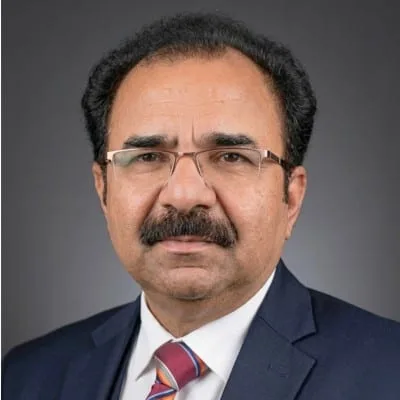
MQM-P chairman and Federal Education Minister Khalid Maqbool Siddiqui told a press conference at the party’s Bahadurabad headquarters that the November 29 rally in support of new provinces has been postponed because of security concerns. A new date will be announced after consultations in the party.
He repeated the party’s case. Provinces, like districts and divisions, are administrative units, he said, and the demand is based on population, not language. He argued that the debate belongs in parliament and constitutional forums and should not turn into a street confrontation. He also criticised the PPP’s opposition and made allegations against it that we are not repeating, since the PPP’s reply to them has not been published.
Sindh’s committee
Sindh Senior Minister Sharjeel Memon said earlier on Thursday that the provincial government has formed a committee to approach MQM-P and a nationalist party, which had planned a rally against new provinces on the same day, and ask both to cancel. Its members are PPP Sindh president Nisar Ahmed Khuhro, Local Government Minister Syed Nasir Hussain Shah, Senator Waqar Mehdi and Home Minister Ziaul Hassan Lanjar.
Two opposing crowds on one day, he warned, could mean clashes, and he said the Sindh Assembly is the “most powerful forum” for the issue. The MQM-P announcement came later in the day, so it is not clear whether the committee’s request had anything to do with it. The nationalist party has not said whether its own rally still stands.
Two sides agree on one thing
Mr Memon and Mr Siddiqui are on opposite sides of the question, yet both said it should be settled in an institution, not at a rally. That is the narrow ground a dialogue could start on. It is also what President Zardari and Prime Minister Shehbaz reportedly agreed after PPP chairman Bilawal Bhutto-Zardari warned on Tuesday that dividing Sindh by force would lead to bloodshed. We covered his speech and the government’s reply.
How the debate got here
| Date | What happened |
|---|---|
| July 31 | Interior Minister Mohsin Naqvi says the existing governance model has “collapsed” and calls for new provinces |
| September 4 | The Sindh Assembly passes a resolution rejecting any division of the province; Chief Minister Murad Ali Shah says Sindh’s unity is not up for compromise |
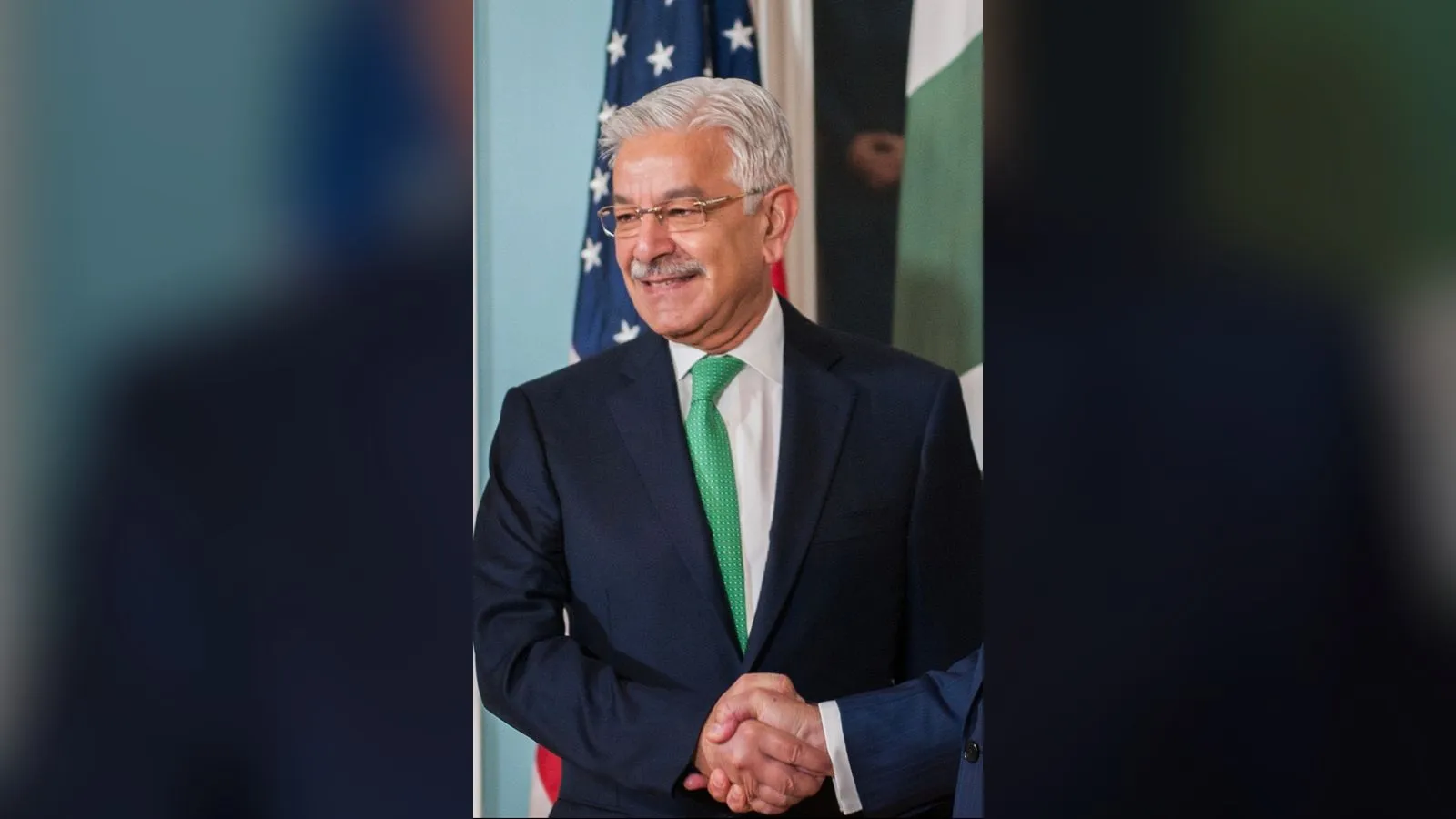
| November 9 | Defence Minister Khawaja Asif says up to 12 provinces are possible if drawn on administrative lines |
| November 14 | President Zardari meets the prime minister after Mr Naqvi proposes a referendum |
| November 17 | Mr Bilawal speaks at the Karachi Press Club |
| November 19 | The president and prime minister meet again; MQM-P postpones its rally |
The constitutional hurdle
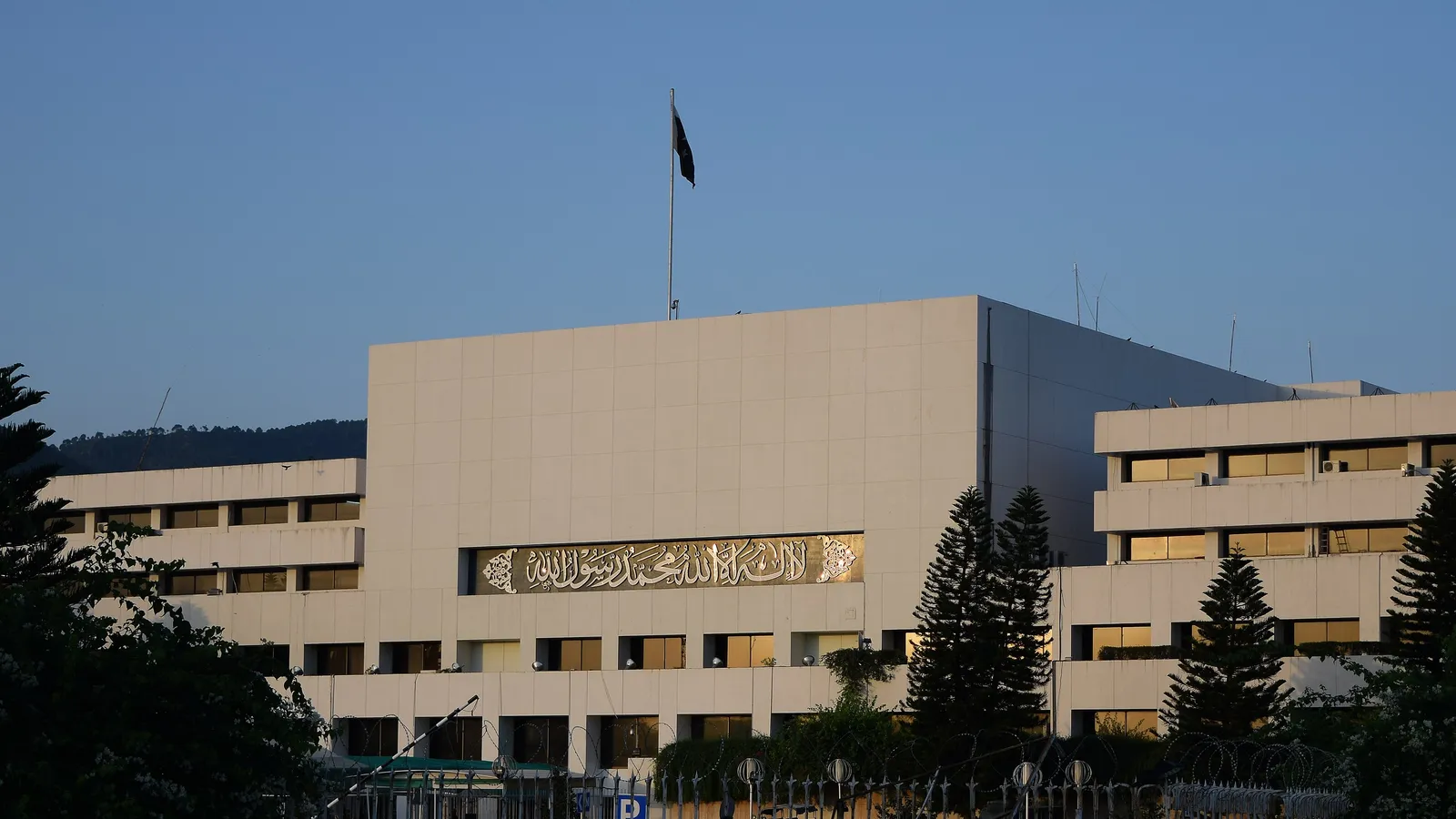
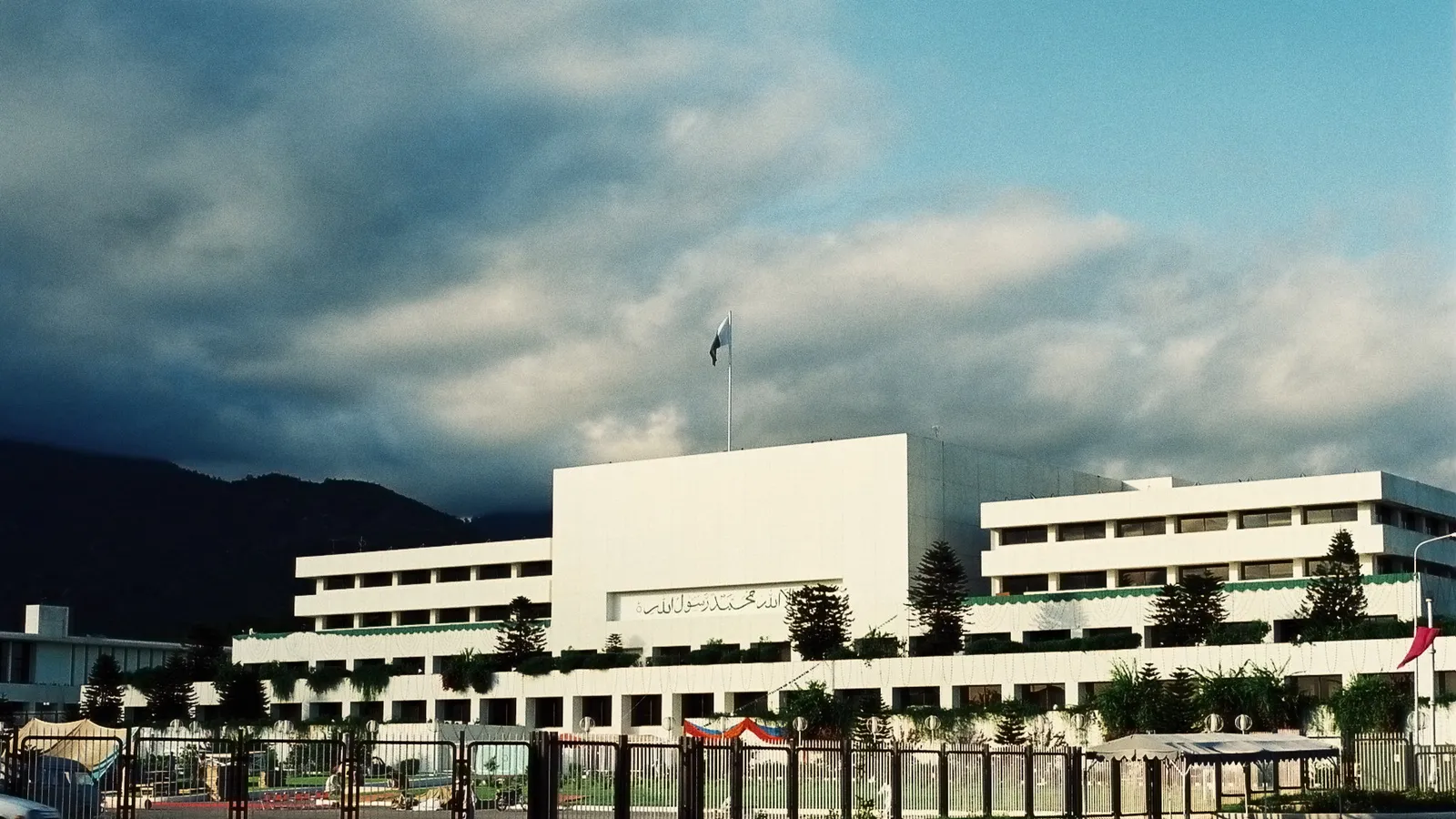
The Constitution sets a high bar. An amendment needs a two-thirds majority in both the National Assembly and the Senate. Article 239(4) adds that a bill that would change the limits of a province cannot go to the president for assent unless that province’s own assembly has passed it by a two-thirds vote of its total membership.
That is why Sindh’s September 4 resolution matters. For any plan that divides Sindh, the provincial assembly’s vote is not a courtesy but a condition, and the PPP leads Sindh’s government. Whatever a national conference decides, the numbers in Karachi will decide whether it can go further.
What to watch
- Whether PML-N forms the coordination committee and who sits on it.
- Whether the PPP agrees to sit down, given its public opposition to a referendum.
- The date MQM-P chooses for its postponed rally, and whether the nationalist party holds its own.
- Whether a draft of the 28th Amendment is published. So far, no text has been made public.
Comments
Comments are reviewed by our editors before they appear. Please keep them civil and on topic. See our terms.
No comments yet. Be the first to share your view.