
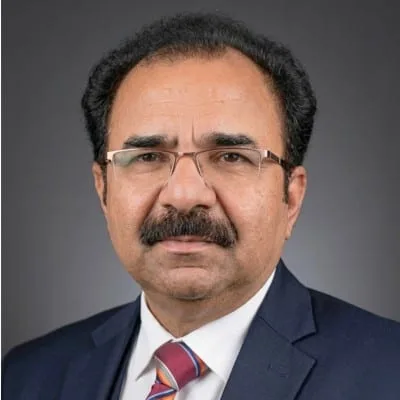
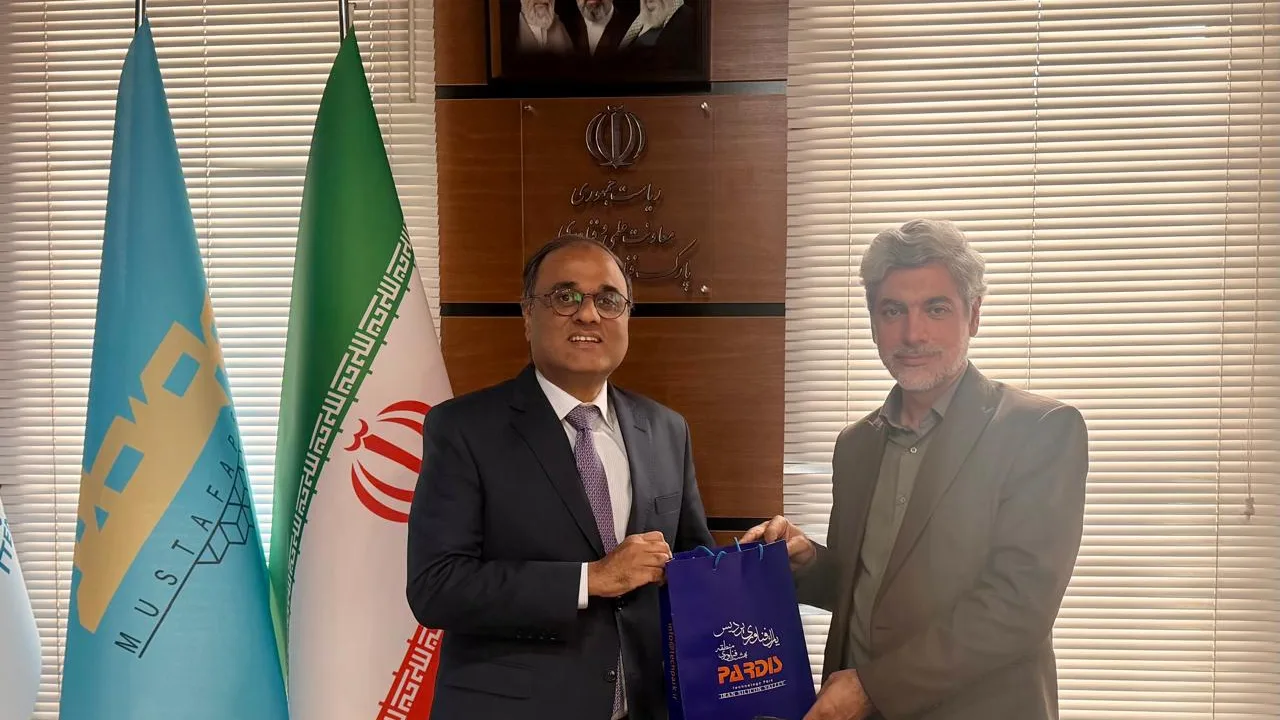
Pakistan’s embassy in Tehran on Sunday rejected reports that Ambassador Imran Ahmed Siddiqui had been attacked in the Iranian capital, calling them “baseless”, Dawn and The Express Tribune reported.
What was claimed, and the denial
In a post on X, the embassy said it had taken note of “certain reports circulating in social media and other forums” about Siddiqui. It shared a post from another X account, which had put up a video showing a commotion among a large crowd inside an unidentified building, with several people appearing to hit each other. The account alleged, citing reports it did not describe, that the ambassador had been attacked at an unspecified event to which he had been invited. It also claimed that he was taken to a nearby hospital.
“The embassy categorically clarifies that these reports are baseless and factually incorrect,” the embassy said. It did not say what the video shows, where it was filmed, or how the rumour began. The ambassador has not himself said anything on his X account.
A pattern of rumours
This is not the first rumour of its kind. Last month the information ministry denied reports that Pakistan’s envoy in London had been “confronted and attacked with a white powder-like substance”. It said the video shared on social media was “fake and is being circulated with a misleading caption”.
Siddiqui was appointed Pakistan’s envoy to Iran in February, shortly before the war began on February 28. Before that he served as ambassador to Bangladesh.
Why Tehran matters to Pakistan now
Pakistan has a leading role in efforts to end the war between Iran and the United States. Its mediation helped produce an interim peace agreement, known as the Islamabad MoU, in June, but the arrangement soon unravelled, according to The Express Tribune. Qatar, along with Pakistan, has since led the effort, which has been interrupted by repeated threats of renewed strikes. Washington wants Iran’s nuclear programme to be part of any talks from the start, while Tehran says its conditions, including an end to the US blockade and sanctions on oil exports, must come first. Our report on Field Marshal Munir’s visit to Tehran and on Iran’s warning that a new war could last longer show how closely Pakistani officials are involved.
Why it matters
A false report that a mediating country’s ambassador has been attacked can do real harm at a delicate moment. It can stir anger at home, raise fears for Pakistani citizens in Iran and add friction to talks. The denial was fast, and it came from the embassy itself, but a short statement and a link to the original post will not stop the video from spreading. The reports we drew on do not say whether Pakistan will take any action against the accounts that spread it. As in the London case last month, the useful habit for readers is to look for an official statement or a named news source before sharing such a video.
This article draws on reporting by Dawn and The Express Tribune.

Comments
Comments are reviewed by our editors before they appear. Please keep them civil and on topic. See our terms.
No comments yet. Be the first to share your view.