
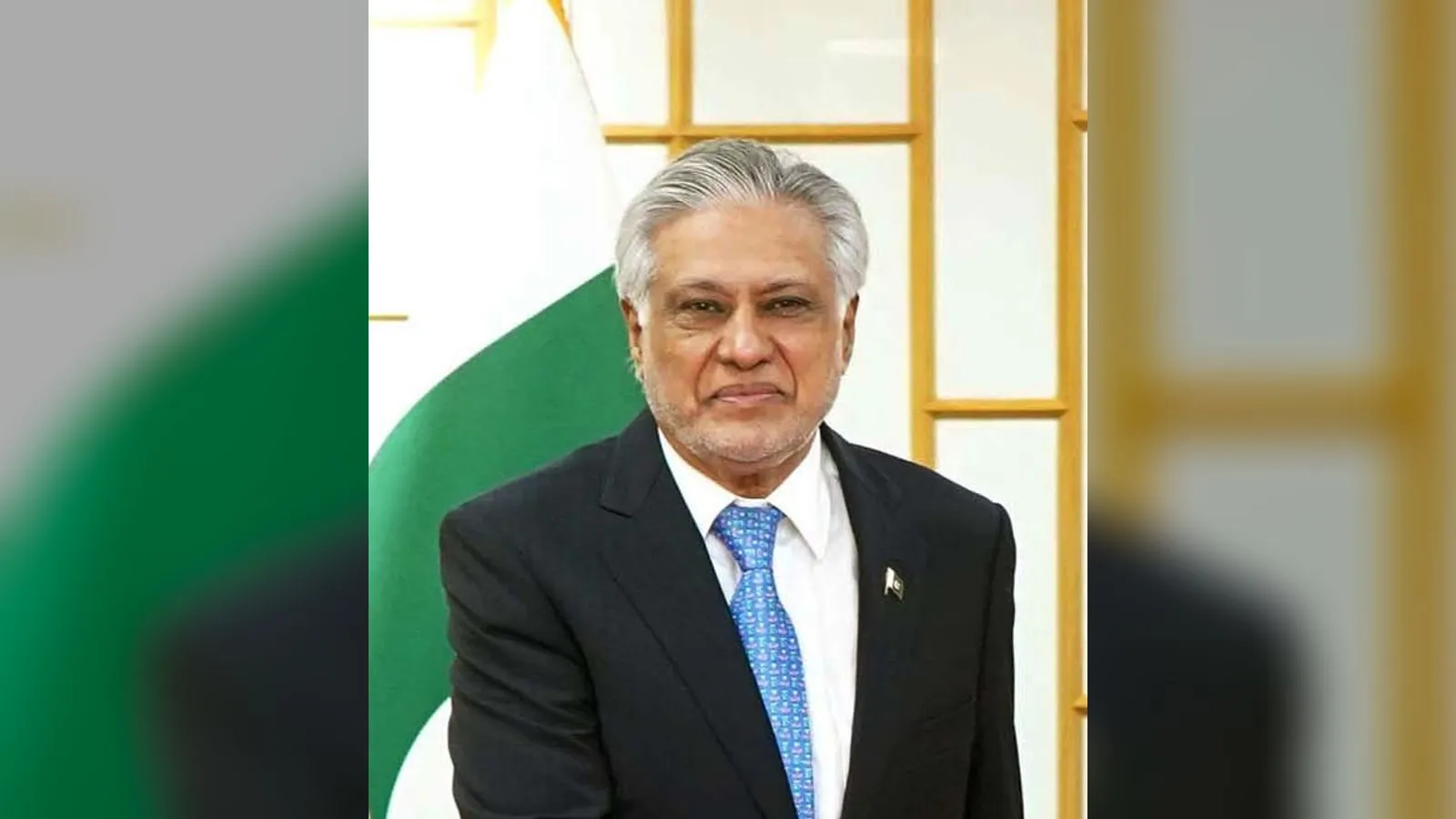
Deputy Prime Minister and Foreign Minister Ishaq Dar on Wednesday called on members of the Shanghai Cooperation Organisation (SCO) to turn the group’s shared vision into practical cooperation and “tangible outcomes”, as Pakistan hosted the first meeting of its year-long chairmanship.
Dar addressed the SCO’s Council of National Coordinators (CNC) at the Foreign Office in Islamabad, along with senior officials from the SCO Secretariat and its Regional Anti-Terrorist Structure (RATS), The Express Tribune reported.
“Turning Vision into Action”
Dar set out the theme of Pakistan’s chairmanship: “Turning Vision into Action: Connectivity, Innovation, and Shared Prosperity”.
He “reaffirmed Pakistan’s commitment to an open, inclusive, and constructive chairmanship, guided by the ‘Shanghai Spirit’ of mutual trust, mutual benefit, equality, consultation, and common development,” the Foreign Office said in a statement.
Dar also highlighted preparations for the SCO Council of Heads of State summit, which Islamabad will host in August 2027, and called for “close coordination among member states to ensure a successful chairmanship”.
India at the table
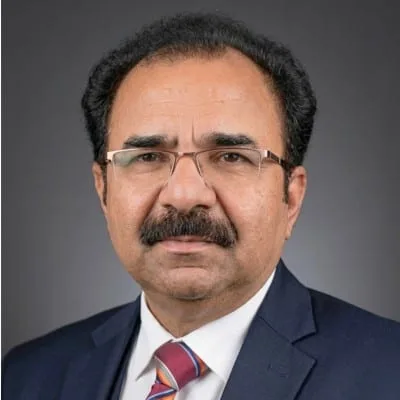
The three-day meeting ran from September 28 to 30. India took part, despite the freeze in relations between the two countries since the military conflict of May 2025. Pakistan was represented by Dr Mohammad Faisal, a senior diplomat and former high commissioner to the United Kingdom.
The coordinators discussed SCO activities, cooperation among member states and the calendar of events planned during Pakistan’s chairmanship.
India’s attendance comes at a tense moment. This week Pakistan wrote to the UN Security Council over India’s move to hold the Indus Waters Treaty in abeyance, and Islamabad has sought assurances from Washington on Kashmir.
How Pakistan took the chair
Pakistan assumed the SCO chairmanship for 2026-27 earlier this month, when Prime Minister Shehbaz Sharif attended the SCO Council of Heads of State meeting and the SCO Plus Summit in Bishkek, Kyrgyzstan.
There, the prime minister proposed a plan focused on:
- Technology: information technology and artificial intelligence
- Energy: energy development
- Poverty: poverty reduction
- Disasters: disaster management
- People: health, culture and sports
What the council does
The Council of National Coordinators manages the SCO’s regular work. It prepares the ground for the meetings of heads of state, heads of government and foreign ministers, and is required to meet at least three times a year. Each member state appoints its own national coordinator.
The SCO brings together countries including China, Russia, India, Iran and the Central Asian states, and covers a large share of the world’s population. For Pakistan, chairing the group is a chance to push regional connectivity and trade at a time when the war in the Gulf has disrupted energy supplies and shipping.
Why it matters
Hosting the SCO summit in 2027 will be one of the biggest diplomatic events Islamabad has staged in years, bringing the leaders of China, Russia and Central Asia to the capital. Pakistan’s success in running a smooth and inclusive chairmanship, even with India at the table, will shape its standing in the region. Read our earlier report on the first SCO coordinators’ meeting.
This article draws on reporting by The Express Tribune.


Comments
Comments are reviewed by our editors before they appear. Please keep them civil and on topic. See our terms.
No comments yet. Be the first to share your view.