

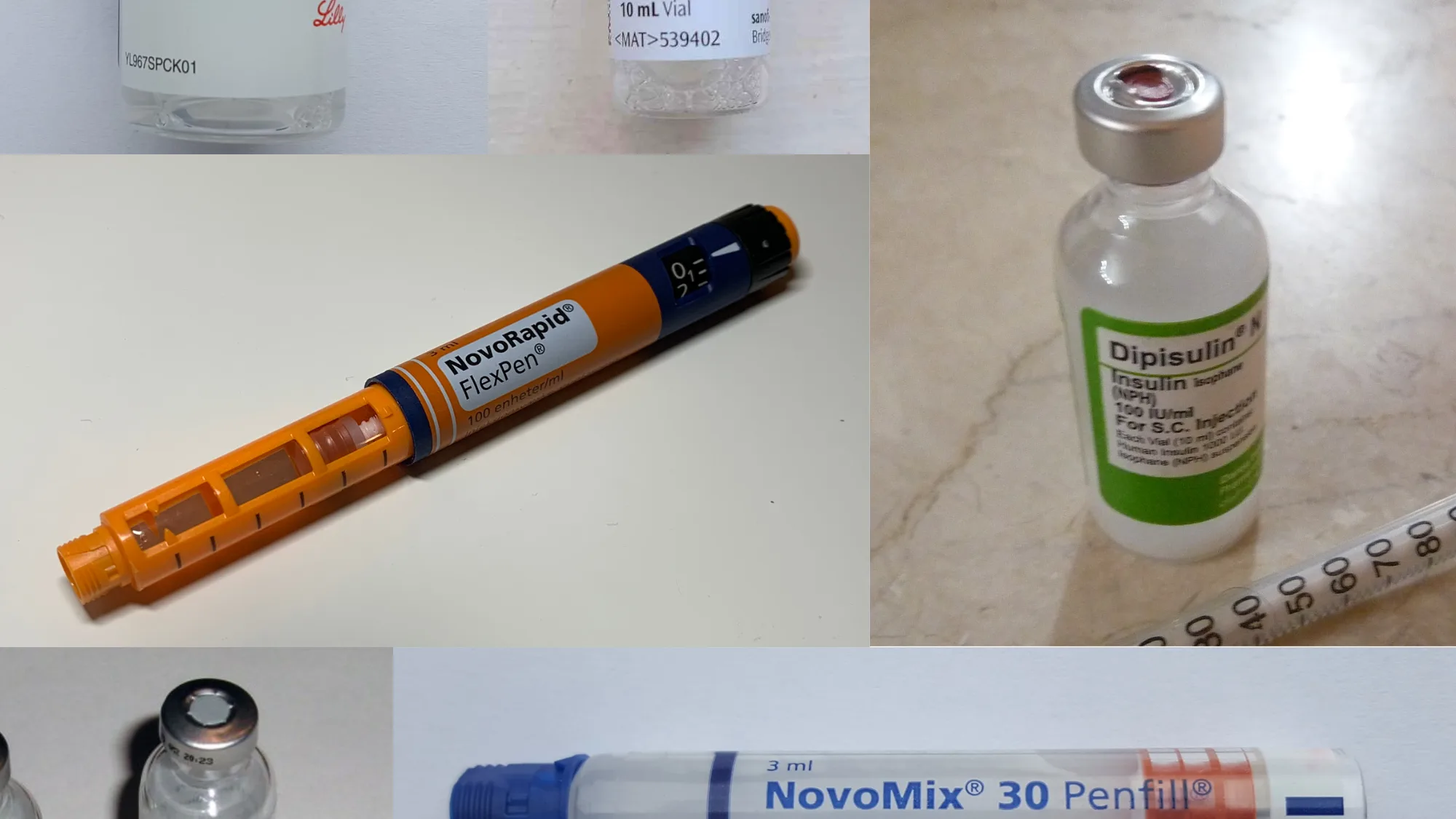
An insulin product used by patients with type 1 diabetes is in short supply in Pakistan after its German manufacturer halted supplies while upgrading its products, Parliamentary Secretary for Health Nelson Azeem told the National Assembly on Friday, Dawn reported.
What the minister said
Responding to a matter raised by MNA Syeda Amna Batool, Azeem said there had been no shortage until June, with stocks available until September. Supplies from Germany were disrupted in October, causing the present shortage.
“The impact of the shortage is being felt not just here, but across Asia, as well as in Australia and Europe,” he said. “The product will be available as soon as international supplies are restored.” He added that the product is made in Germany and “it is an issue that we are trying to resolve”.
Azeem said the manufacturer had earlier supplied 3,500 kits, but that supplies had now dropped to 1,000 kits and could fall further during the year-long upgrade process. The health ministry had asked the distributors that import the product to arrange supplies, he said, but he accepted this would be difficult because the manufacturer has halted production.
Alternatives and costs
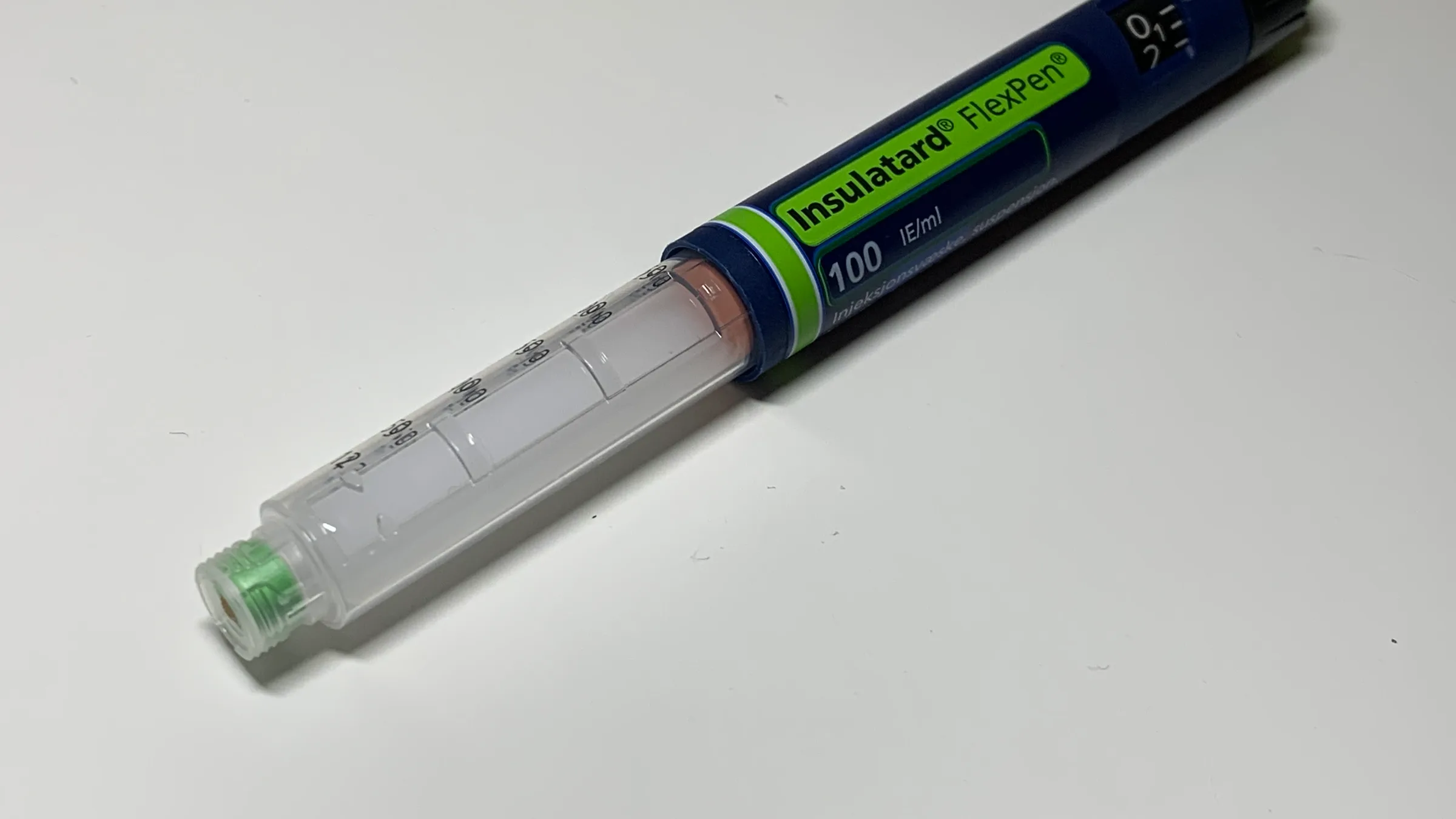
The parliamentary secretary said alternative insulin products with the same dosage and mode of action were readily available in Pakistan and that patients could switch to them on their doctors’ recommendation.
Batool raised concerns about the difficulties patients could face in changing treatments. She said the alternatives cost at least 20 per cent more and that many patients do not have access to doctors. She asked whether the health ministry or the Drug Regulatory Authority of Pakistan (Drap) had made sure the alternatives were easily available. “Alternatives are not readily available,” she said.
What the ministry said earlier
On Tuesday, authorities denied reports of a widespread insulin shortage, saying only one brand was unavailable. Health ministry spokesperson Sajid Shah said that “insulin glulisine (Apidra, Sanofi) is currently unavailable due to international supply constraints”. He said that alternative rapid-acting analogues in the same class, insulin aspart (NovoRapid, Novo Nordisk) and insulin lispro (Humalog, Eli Lilly), were readily available nationwide, and that all other primary insulin classes remained fully accessible across Pakistan. Read our report on the health ministry’s denial of an insulin shortage.
Friday’s statement in the assembly, however, confirmed a shortage of the product, while stressing that substitutes exist.
A history of medicine shortages
The shortage recalls earlier warnings. In August 2025, the Pakistan Medical Association raised alarm over what it called “an unprecedented” and severe shortage of essential medicines across the country, saying the crisis threatened the lives of millions of patients. At least 80 important medicines were unavailable, it said, with 25 having no substitutes, including life-saving drugs for diabetes, cancer, Alzheimer’s, Parkinson’s, heart disease and psychiatric conditions.
What patients should know
The government’s position, as stated in the assembly, is that patients can move to an alternative with the same dosage and mode of action on their doctors’ recommendation. The product will return when international supplies resume, the parliamentary secretary said, but he gave no date and said the upgrade process lasts a year.
Why it matters
Type 1 diabetes cannot be managed without insulin, so even a shortage of one product can cause anxiety for patients and parents. The gap between the government’s assurance that substitutes are available and the MNA’s warning about cost and access will matter most for poorer families and for patients far from specialists. The next test is whether Drap and the health ministry can show that substitutes are in stock in every province and not just in big cities.
This article draws on reporting by Dawn.
Comments
Comments are reviewed by our editors before they appear. Please keep them civil and on topic. See our terms.
No comments yet. Be the first to share your view.