

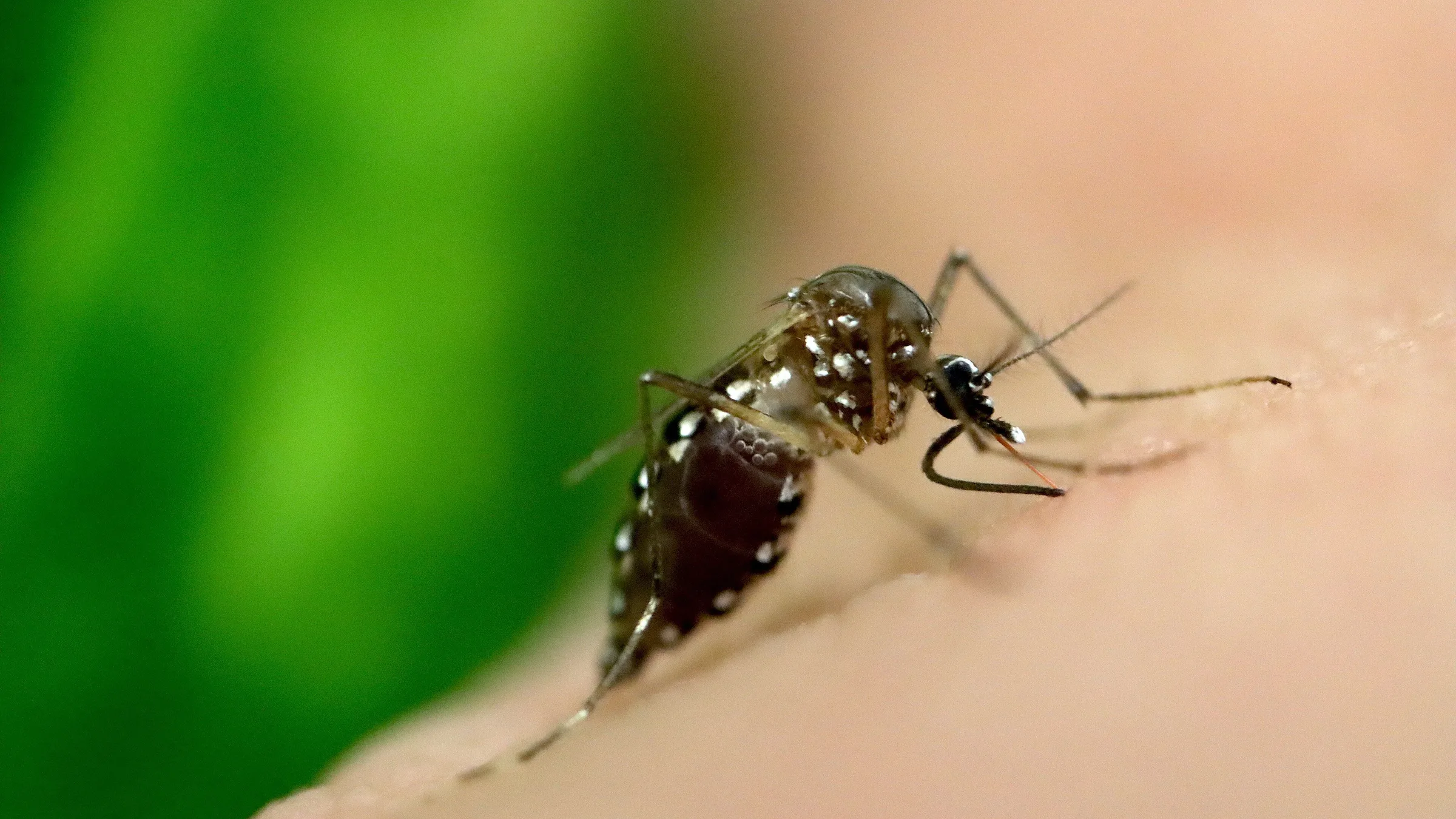
Dengue infections are rising sharply across Khyber Pakhtunkhwa, with 1,510 cases reported so far in October, including 99 new infections confirmed in the past 24 hours, according to the provincial health department, The Express Tribune reported.
The department’s daily dengue report named Kohat as the worst-affected district, with 975 cases this month, followed by Peshawar with 209.
The province has confirmed 4,091 dengue infections this year. One death has been reported, in Dera Ismail Khan.
How fast it has grown
Monthly figures show a sharp rise since August:
| Period | Cases in KP |
|---|---|
| January to May | 115 |
| June | 90 |
| July | 111 |
| August | 573 |
| September | 1,692 |
| October (so far) | 1,510 |
Kohat at the centre
Kohat has recorded 2,567 cases since the start of the year, more than half of the provincial total. Its monthly count rose from 42 in July to 387 in August, 1,116 in September and 975 so far in October.
Peshawar’s annual tally has reached 566, with 75 cases in August, 144 in September and 209 in October.
Other districts this month
October cases elsewhere include:
- Bannu: 81
- Charsadda: 37
- Haripur: 34
- Abbottabad: 21
- Hangu and Nowshera: 20 each
- Karak: 17
- Dera Ismail Khan: 14
- Lakki Marwat: 11
- Bajaur: 10
- Swabi and Lower Chitral: 7 each
Malakand reported three cases, Battagram two and Mardan one. Upper Chitral recorded none this month.
Several districts, including Shangla, Upper Dir, Upper Kohistan, Kolai-Palas, Lower and Upper South Waziristan, Lower and Upper Kurram and Torghar, have reported no cases at all this year.
Active cases
The province currently has 144 active dengue cases. Kohat accounts for 80 of them, followed by Bannu with 24, Peshawar 18, Hangu nine, Charsadda seven, Dera Ismail Khan three, Nowshera two and Lakki Marwat one.
How to protect yourself
Dengue is spread by the Aedes mosquito, which breeds in standing water. Health officials have urged residents to:
- stop water collecting in homes, streets and neighbourhoods
- keep water containers covered
- get rid of places where mosquitoes can breed
People with fever, severe headaches, body aches, joint pain or other suspected symptoms have been advised to see a doctor promptly.
Warning signs to watch for
Most people with dengue recover with rest and fluids, but a small share develop severe dengue, which can be fatal. According to the World Health Organization, there is no specific medicine that cures dengue, and treatment focuses on managing symptoms such as fever and pain.
The WHO lists warning signs that usually appear around the time the fever goes down. Anyone who has them should go to a hospital straight away:
- severe abdominal pain
- persistent vomiting
- rapid breathing
- bleeding gums or nose
- blood in vomit or stool
- extreme tiredness or restlessness
The WHO advises paracetamol for fever and pain, and warns against painkillers such as ibuprofen and aspirin, which can increase the risk of bleeding.
The Aedes mosquitoes that carry dengue breed in clean, still water in and around homes and mostly bite during the day, according to the WHO. With 144 active cases across the province and Kohat still the hotspot, the health department’s advice on removing standing water remains the main line of defence.

Comments
Comments are reviewed by our editors before they appear. Please keep them civil and on topic. See our terms.
No comments yet. Be the first to share your view.