

The risk of plague spreading to Pakistan is “very low”, Federal Health Minister Mustafa Kamal said on Thursday, after a suspected case in Siberia prompted precautions in Russia.
In a statement, Kamal said Border Health Services had been alerted at all points of entry, and that the National Institute of Health (NIH) had the capacity to diagnose plague. “The risk of plague spreading in Pakistan is currently very low,” he said, Geo News reported.
He added that the World Health Organisation was itself not fully aware of the details of the suspected case. The director general of health said the ministry and the NIH were closely following the situation.
What happened in Siberia
A 28-year-old laboratory worker at the Irkutsk Anti-Plague Research Institute of Siberia and the Far East, named in local media as Darya Shipilova, died on October 2. Russian authorities said she died of pneumonia of unknown origin.
Her death sparked fears on social media. Dawn reported that the head of Russia’s health watchdog, Rospotrebnadzor, Anna Popova, flew to the Irkutsk region for an emergency meeting, parts of the hospital in the town of Shelekhov where the woman died were cordoned off, and an aluminium plant told its workers to wear masks.
Quarantine wound down
About 200 people who had been in contact with the woman were initially quarantined. Russian authorities later said:
- 90 per cent of those quarantined had been released after nearly 5,000 laboratory tests
- no plague cases had been found among her contacts
- there was no risk of an epidemic, and precautions were being wound down
There has been no confirmation that the woman died of plague. A regional governor had first said she “may” have contracted the disease, but Rospotrebnadzor said she died from an unknown type of pneumonia and that no relevant pathogens were found among her contacts. The watchdog also said it found no evidence of accidents in the handling of pathogens at the institute, after rumours that she had dropped a test tube containing live bacteria.
US Secretary of State Marco Rubio said earlier this week that Washington was monitoring the case, but added: “I don’t think it’s cause for alarm.”
About plague
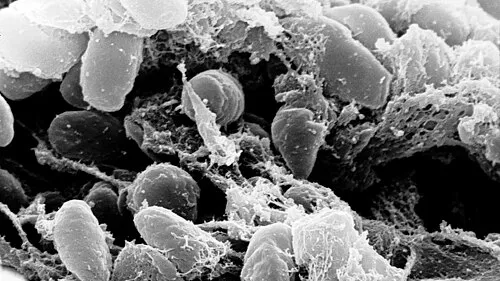
Plague is caused by the bacterium Yersinia pestis, which circulates mainly among small animals and their fleas. It is endemic to parts of Siberia, where the bacterium lives among wild mammals. Humans can catch it through infected flea bites, by breathing in infected respiratory droplets or, rarely, by eating infected material.
Pneumonic plague, which affects the lungs, can spread through droplets when a patient coughs. The disease can be treated with antibiotics if caught early, but untreated it can be fatal within one to six days.
Cases in Russia are rare, though they occur every year in other parts of the world, notably Africa.
Why it matters
The minister’s statement is meant to reassure the public after alarm spread online. With Russian authorities reporting no confirmed plague and the quarantine being lifted, the main precaution in Pakistan for now is screening at entry points.
This article draws on reporting by Geo News and Dawn.




Comments
Comments are reviewed by our editors before they appear. Please keep them civil and on topic. See our terms.
No comments yet. Be the first to share your view.