
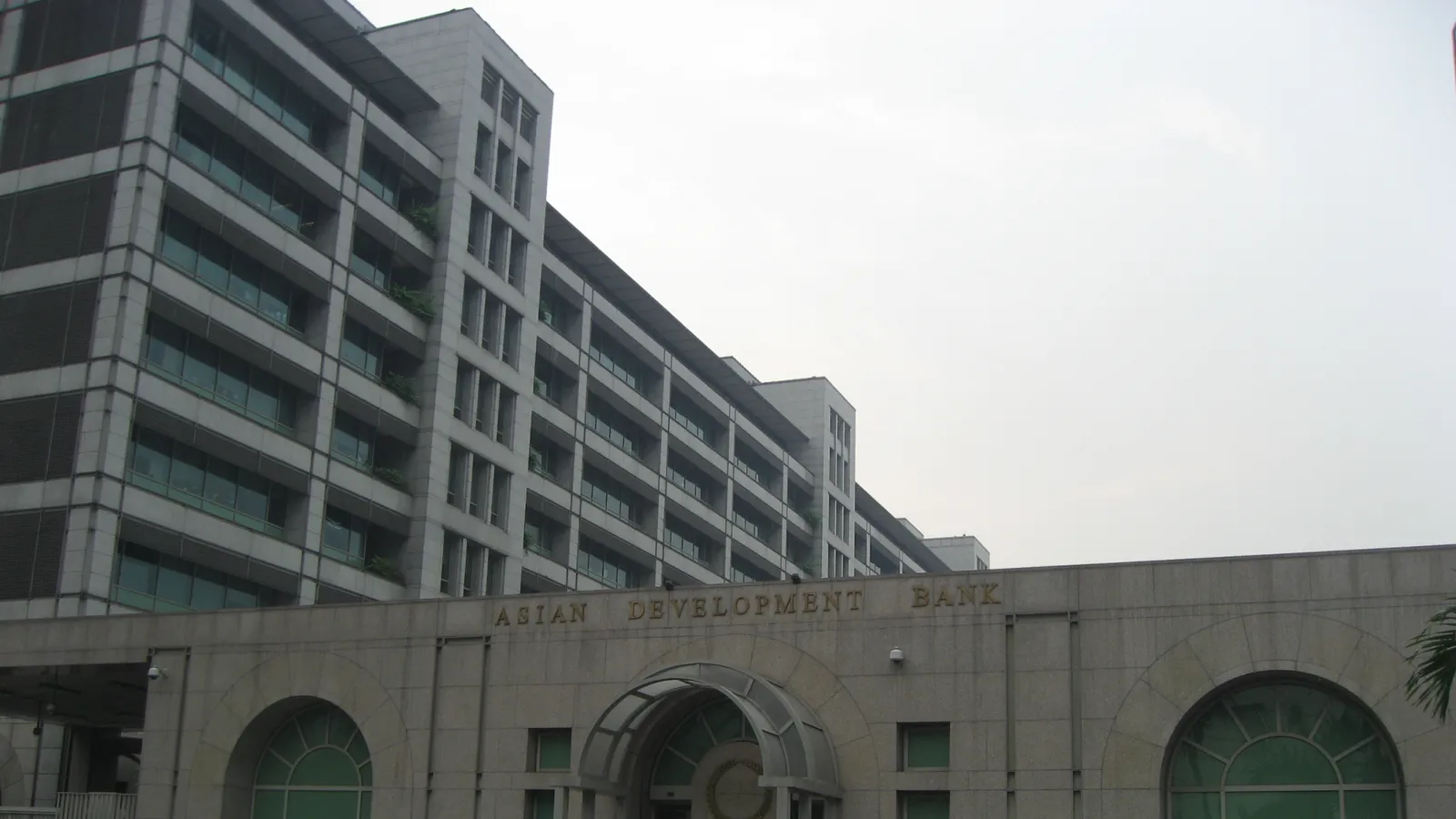
The Asian Development Bank (ADB) has agreed to keep up to $500 million ready for Pakistan to draw on when a disaster strikes. In a statement on Wednesday, the Manila-based lender said it approved contingent disaster financing (CDF) facilities of up to that amount, meant to give the government quick budget support after eligible events such as floods or earthquakes.
What the facility is
Contingent disaster financing is different from an ordinary loan. It is a line of credit that the government can draw on soon after a qualifying disaster, so that it does not have to wait weeks or months for emergency money while relief bills mount. ADB says the funds will help reduce the economic and fiscal damage a disaster causes. The statement did not say what counts as an eligible event or how quickly money would be released, and it did not give the interest rate or maturity.
The facility is part of the second subprogramme of the Climate and Disaster Resilience Enhancement Programme. That programme backs government reforms to improve disaster preparedness and risk management, to build resilience into development planning and investment, and to improve the way disaster risks are financed. In 2024, ADB approved a $500 million policy-based loan for climate and disaster risk reduction in Pakistan.
The cost of disasters
ADB gave figures for what is at stake:
| Measure | ADB’s figure |
|---|---|
| Average yearly losses from floods, earthquakes and other disasters | About $2 billion |
| Direct damage from the 2022 floods | $14.9 billion |
| Economic losses from the 2022 floods | $15.2 billion |
| People pushed into poverty by the 2022 floods | As many as 9.1 million |
The bank said poor and rural communities have less ability to recover and that women and girls are hit harder. “When disaster strikes, it is often the most vulnerable communities that are hit hardest,” said ADB Country Director for Pakistan Emma Fan, adding that investing in preparedness protects lives and livelihoods.
The gap the money is meant to fill
Pakistan has lived through the pattern more than once: floods arrive, relief is slow, and families lose homes and crops before government money reaches them. In May the Jinnah Institute think tank said governance failures and weak community-level systems continue to undermine the country’s ability to prepare for and respond to climate disasters. It linked its findings to the devastating floods of 2025, which submerged entire districts and displaced millions. It called for reforms to move away from reactive disaster management.
A standby credit line addresses the money problem, not the preparedness problem. It can help the government pay for relief and keep the budget from being thrown off course, but it will not by itself build embankments, improve early warnings or make sure aid reaches the right people.
Why it matters
Pakistan’s budget is already stretched by debt and IMF targets, as we have been reporting, and a sudden disaster can force emergency spending that undoes planned cuts. A pre-approved facility makes that shock easier to absorb. The same concern is on the table in Antalya, where the prime minister is asking for more reliable climate finance: see our report on his COP31 visit. A UN assessment has also shown how heat is hurting Punjab’s farmers, which we covered earlier this week.
There is also a cost to consider. Contingent financing is borrowing, so the government will owe money on whatever it draws, and the terms matter. ADB has not published them in the statement we have seen.
What we do not know
- The loan terms: interest, maturity and any fees.
- The trigger: which events qualify and how fast the cash arrives.
- Whether the government or the National Disaster Management Authority has set out how it would use the money.
What to watch is the publication of the full ADB programme documents, any statement from the Economic Affairs Division, and the government’s reforms in disaster preparedness that the facility is tied to.
Comments
Comments are reviewed by our editors before they appear. Please keep them civil and on topic. See our terms.
No comments yet. Be the first to share your view.