
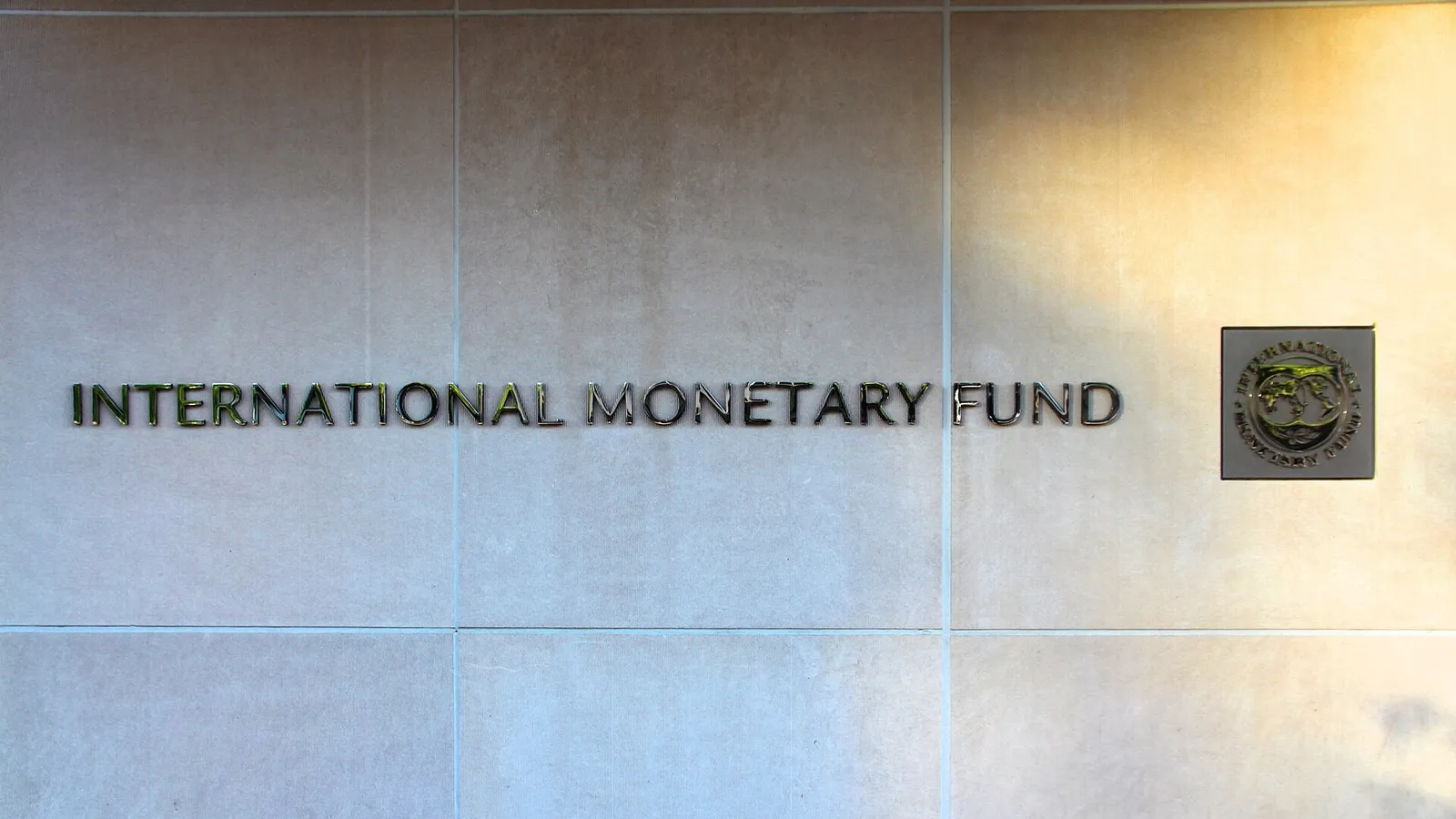
The International Monetary Fund has raised its forecast for Pakistan’s inflation this fiscal year to 9.9 percent while keeping its growth projection unchanged at 3.5 percent, suggesting it has not accepted the government’s more upbeat estimates.
The figures were released in the IMF’s World Economic Outlook on the sidelines of its annual meetings, The Express Tribune reported. In April, the Fund had projected inflation of 8.4 percent for 2026-27, a figure it kept in July.
Above the official target
The new projection is higher than the government’s target of 8.2 percent. During the recent staff-level talks, the government and the State Bank had argued that Pakistan could meet that target despite inflationary pressures.
The IMF gave no Pakistan-specific reason for the increase, but it has also raised its inflation forecasts for the Middle East and Central Asia because of the war’s impact on energy supplies and prices, the newspaper reported.
The government has been passing higher fuel prices on to consumers and has given Rs2,000 a month to motorcyclists and Rs3,000 to small car owners as relief. The IMF has objected to the scheme, calling it broad and costly.
Growth: 3.5pc, not 4pc
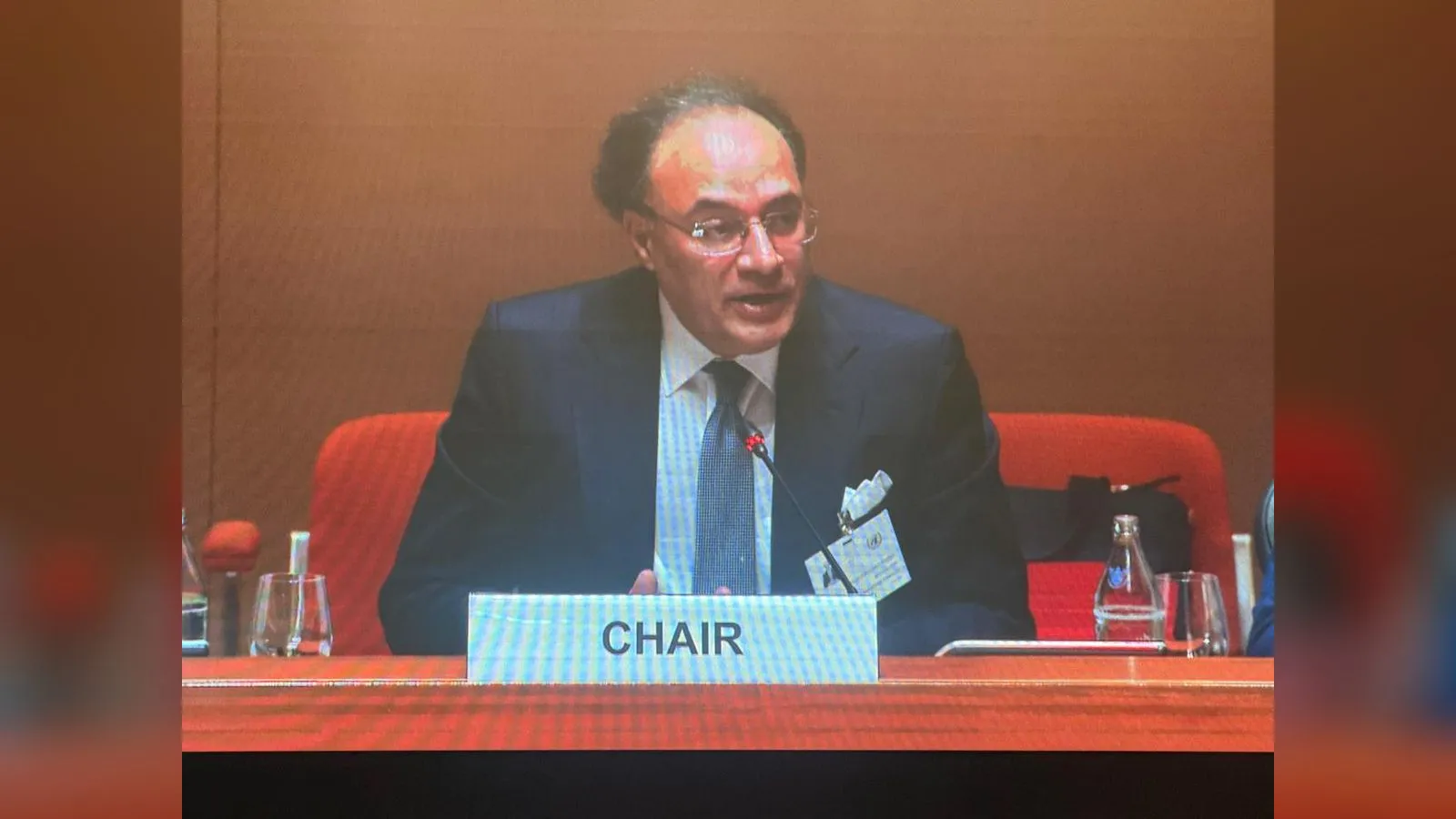
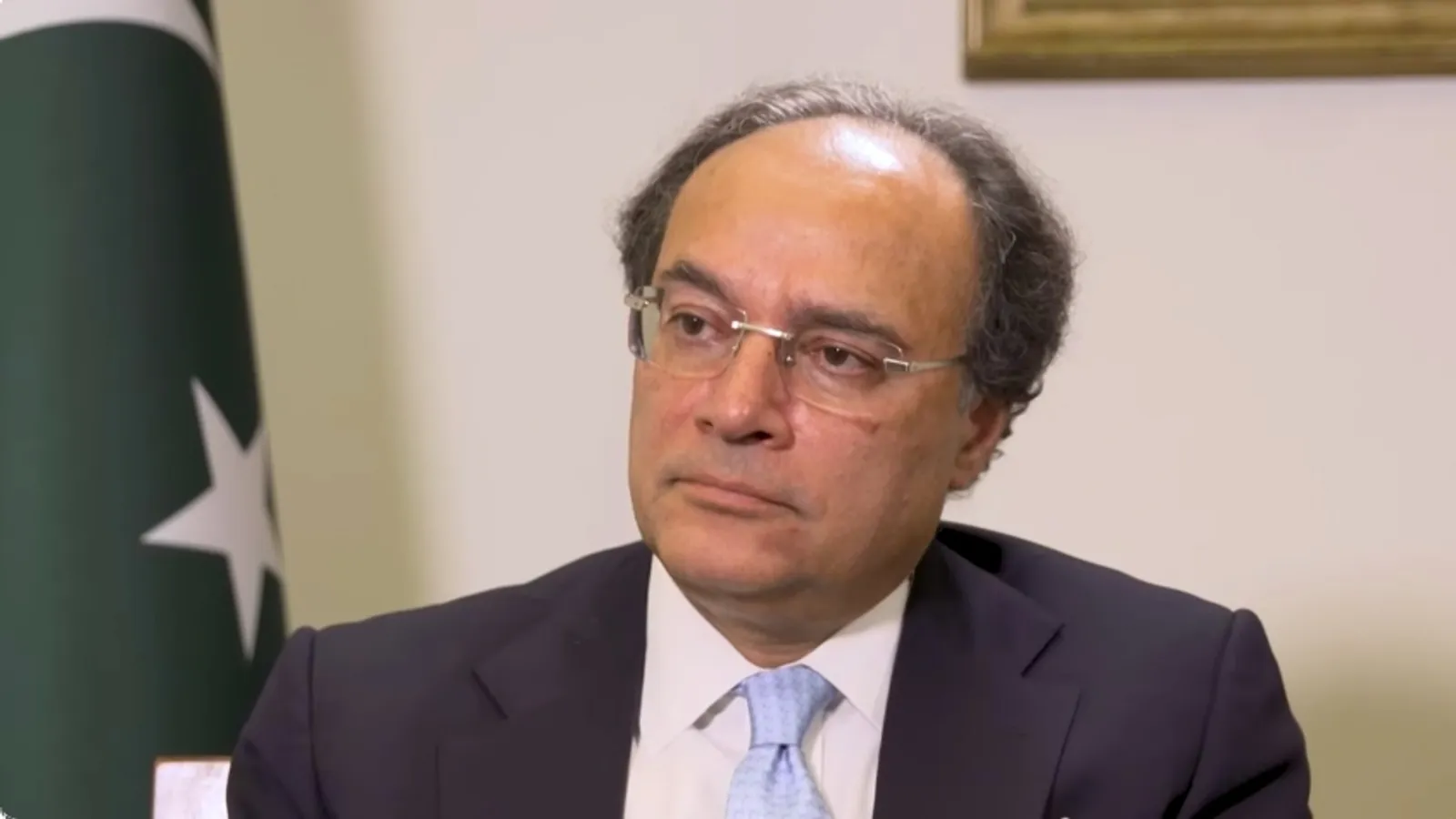
During the review talks, Pakistani officials tried to convince the IMF that the 4 percent growth target would be met. Finance Minister Muhammad Aurangzeb told Reuters: “I am still quite clear that we should clock north of 4%.”
The IMF also projected a current account deficit of 1 percent of GDP, or about $4.4 billion, around $450 million more than its previous estimate.
Planning Minister Ahsan Iqbal has recommended an eight-point “Growth-Compatible Fiscal Stabilisation Framework” to Prime Minister Shehbaz Sharif, The Express Tribune reported. He wrote that Pakistan was achieving fiscal stabilisation largely by cutting development spending and borrowing more, rather than widening the revenue base and raising exports. “The electorate will judge the government on the economy it experiences in 2029,” he wrote.
The global picture
- World growth: 3.1 percent in 2026 and 3.4 percent in 2027, broadly unchanged from April
- Global inflation: expected to rise to 4.7 percent this year before easing to 4.1 percent in 2027
- Middle East and Central Asia: growth cut to 0.3 percent in 2026, rebounding to 6.3 percent in 2027, reflecting a longer closure of the Strait of Hormuz
The IMF warned that the world economy’s resilience was under strain, with energy inventories dwindling and new geopolitical shocks able to spread quickly through prices and supplies.
Rupee holds firm
The rupee has gained about Rs2 against the dollar since the Middle East war began, The Express Tribune reported. It closed at Rs276.97 on Monday, up three paisa from Friday.
According to Tresmark Research, Pakistan bought a net $8.1 billion in foreign exchange during fiscal year 2026, but reserves rose by only about $4 billion as around $11 billion went to external debt payments. The real effective exchange rate has crossed 107, raising concerns about export competitiveness.
Why it matters
A higher inflation forecast could mean the IMF wants tighter monetary policy, keeping borrowing costs high for businesses and households. The gap between the Fund’s 3.5 percent and the government’s 4 percent growth target will be watched closely. Read our reports on the IMF staff-level agreement and on the PSX’s fall over the KP emergency.
This article draws on reporting by The Express Tribune.
Comments
Comments are reviewed by our editors before they appear. Please keep them civil and on topic. See our terms.
No comments yet. Be the first to share your view.