
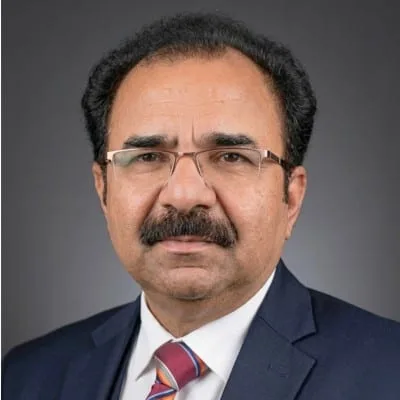
Pakistan is reviewing the possibility of tokenising its existing Eurobond debt, Finance Minister Muhammad Aurangzeb said on Monday, adding that the government is seeking cabinet approval before inviting proposals, The Express Tribune reported.
“We are in discussions at this point in time, and we are looking forward to the Cabinet approval on this before we move ahead with issuing the RFP on this front,” he said in a virtual keynote at the “Dialogue on Digital Assets and the Future of Banking”, organised by the Pakistan Banks’ Association with LUMS.
What tokenisation means
Tokenising a bond means recording it as a digital token on a blockchain, so it can be held and transferred electronically. The report does not say how the Eurobonds would be tokenised or when. Aurangzeb also pointed to remittances as a use case: Pakistan received $41.6 billion in remittances in the last fiscal year, and first-quarter inflows suggest the total could exceed $44 billion this year.
“Therefore, having this as a use case makes a lot of sense from a tokenisation perspective,” he said.
“Can a family receive money from abroad at a lower cost?”
The minister said digital assets should be judged by their economic benefits: “Can a family receive money from abroad at a lower cost? Can a business get paid sooner? Can an entrepreneur obtain financing on reasonable terms? Can we attract productive investment while protecting the stability of our financial system?”
He cited JPMorgan’s use of deposit tokens for institutional transfers and the Bank for International Settlements’ Project Agora as examples abroad.
Different digital assets, different risks
Aurangzeb urged regulators to separate kinds of digital assets:
- Tokenised bank deposit: “remains a claim on a bank”.
- Stablecoin: its risk “depends on its issuer, backing, and redemption arrangements”.
- Unbacked cryptoasset: “carries a different set of risks”.
The legal framework
He said Pakistan now has a statutory framework through the Virtual Assets Act 2026, with the Pakistan Virtual Assets Regulatory Authority (PVARA) licensing and supervising service providers. The State Bank has opened a conditional route for banking services to PVARA-licensed businesses, subject to due diligence and segregation of client funds.
But restrictions on banks investing in, trading or holding virtual assets with their own funds or customer deposits “also remain in place”, he said.
Cyber warning
“We are under attack 24/7” by state and non-state actors, Aurangzeb said, adding there was “no room” for complacency and urging banks and the State Bank to follow through on cybersecurity measures.
Background: a risky industry
The warning comes days after crypto exchange Binance froze assets after the $6.3bn breach, the biggest crypto heist, a reminder of the risks the minister mentioned.
Why it matters
Remittances reached $41.6bn last fiscal year, and cheaper, faster transfers would directly benefit families who depend on them. Tokenised Eurobonds would be a new way to raise or manage foreign debt. But both ideas are still at the discussion stage.
What we don’t know: when the cabinet will decide, what a request for proposals would ask for, and how tokenisation would change the cost or buyers of Pakistan’s overseas debt.
This article draws on reporting by The Express Tribune.
Comments
Comments are reviewed by our editors before they appear. Please keep them civil and on topic. See our terms.
No comments yet. Be the first to share your view.