
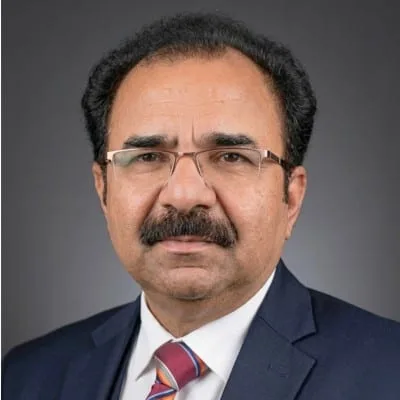
The International Monetary Fund (IMF) has urged Pakistan to make its fiscal policy do more than hit primary balance targets and protect debt sustainability, saying it must also build credibility, support recovery and create room for public investment and social spending.
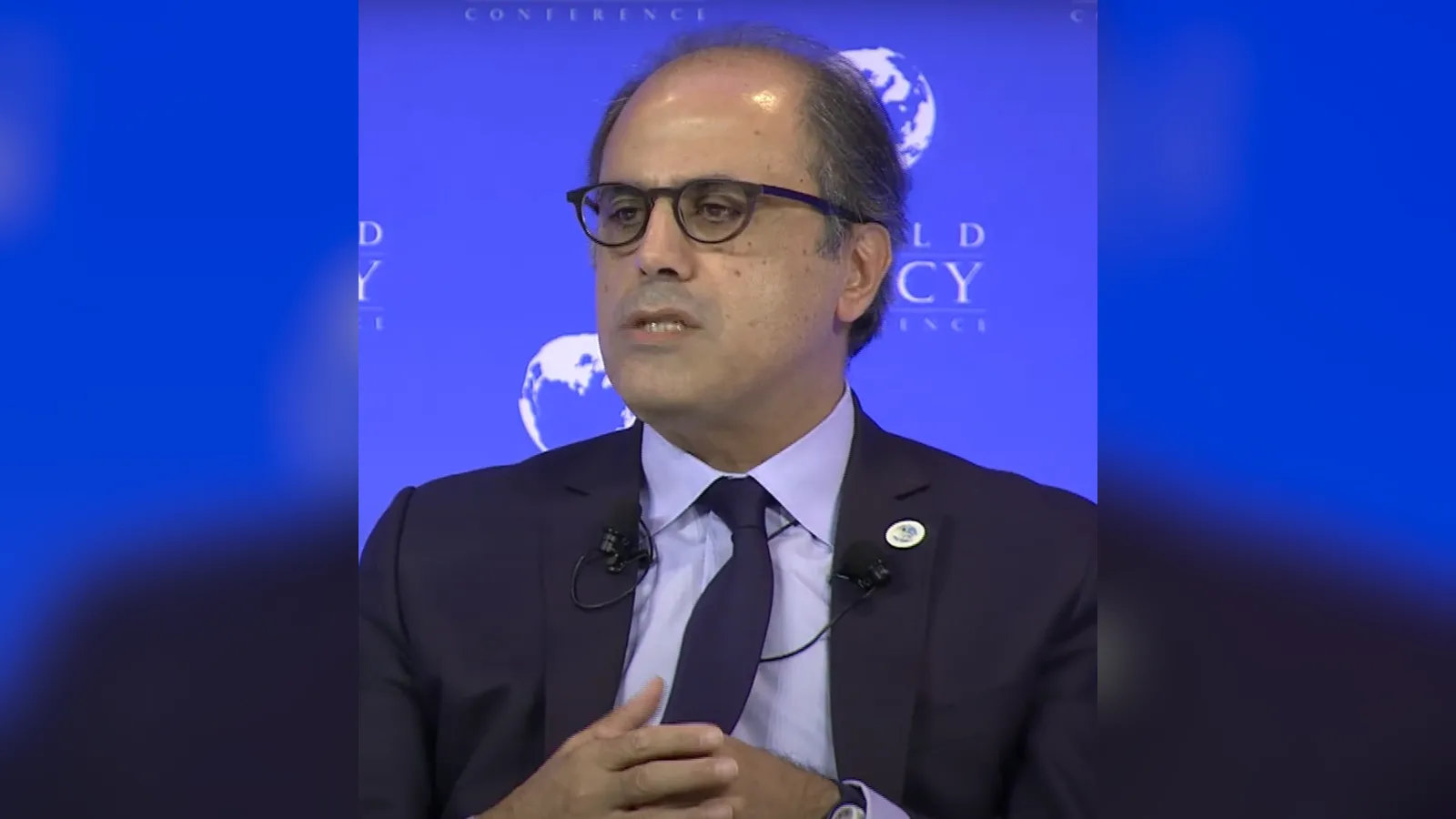
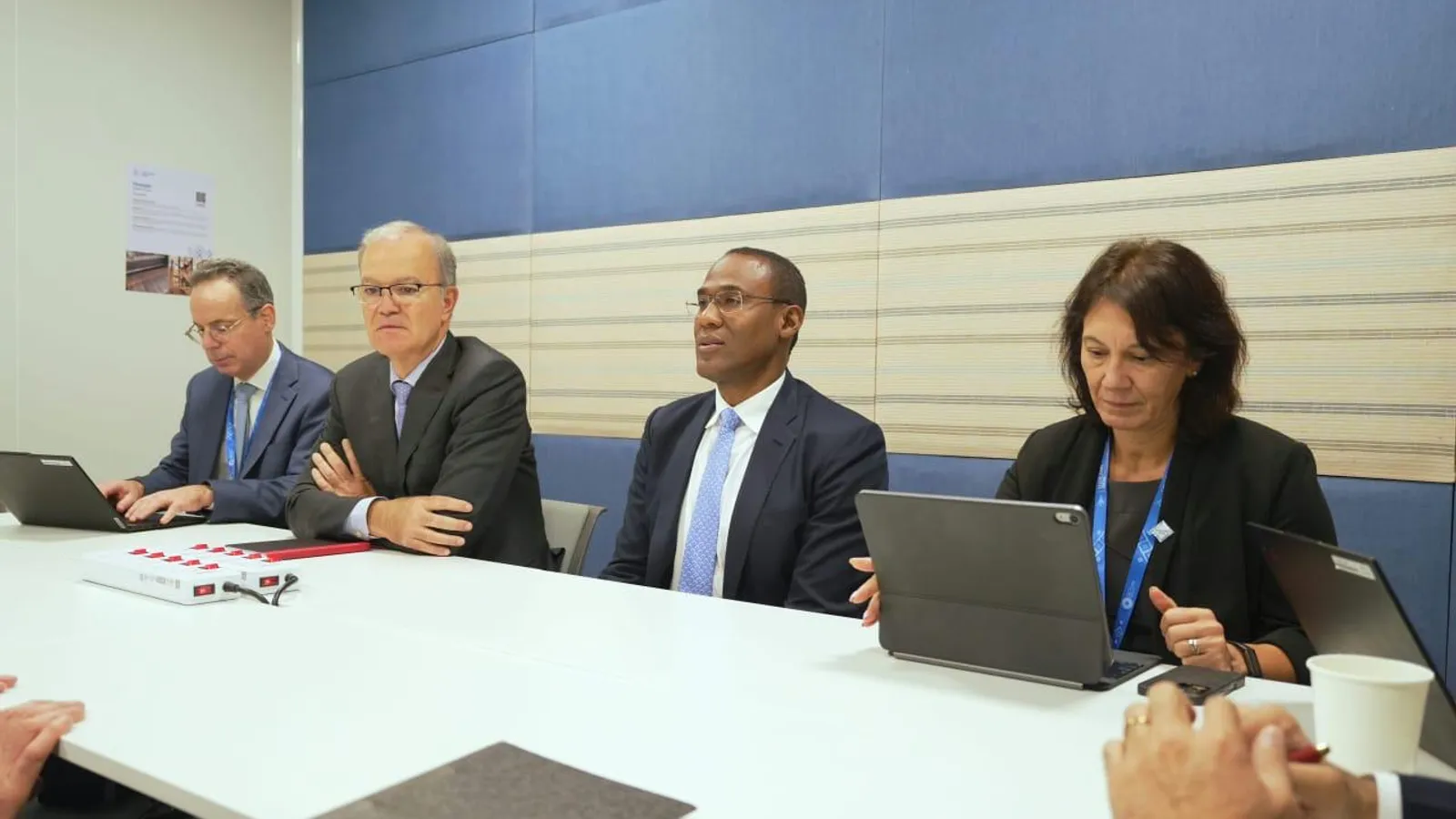
Speaking at a workshop in Islamabad on “Reforms for a Modern and Growth-Friendly Tax System in Pakistan”, IMF Middle East and Central Asia Department Director Jihad Azour said tax reform was critical to Pakistan’s growth agenda and central to its Extended Fund Facility (EFF), Dawn reported. The two-day workshop was organised by the Ministry of Finance and the IMF.
From stability to growth
Azour said Pakistan had made important progress in restoring macroeconomic stability, rebuilding confidence and strengthening its external buffers despite an era of shocks. The next milestone, he said, was to turn stabilisation into stronger and more durable growth, moving beyond cycles of adjustment towards a more competitive, investment-friendly and inclusive economy.
He listed Pakistan’s priorities:
- A broader tax base and stronger revenue administration
- Fewer tax exemptions, known as tax expenditures
- Protecting priority spending and improving public services
He warned that a highly uncertain external environment made these goals more urgent, and named four themes for the workshop: credibility, growth, fairness and implementation. The IMF remained committed to helping Pakistan build an economy led by a stronger private sector that creates better opportunities for young people, he said.
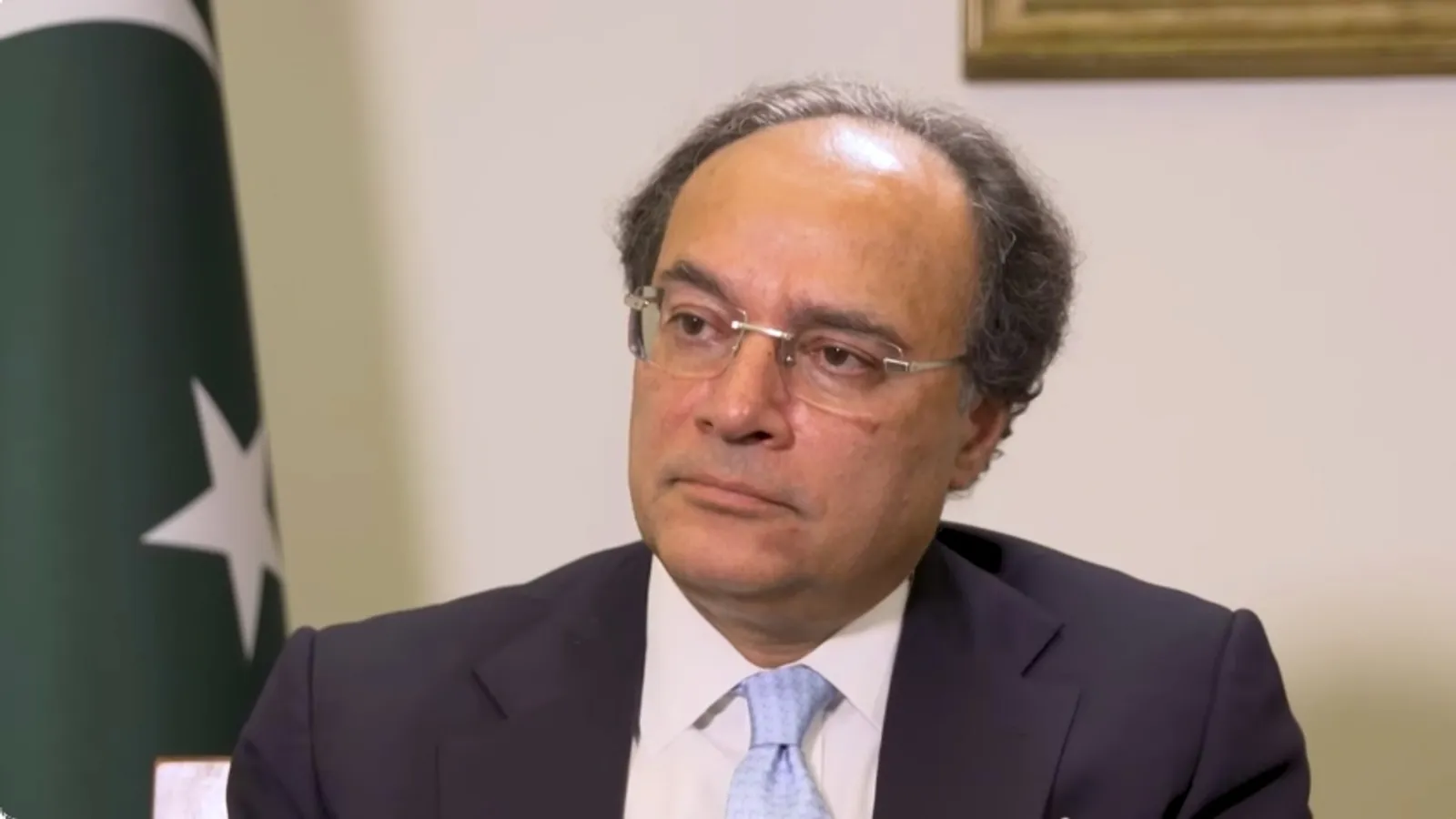
Finance Minister Muhammad Aurangzeb also addressed the workshop, highlighting the government’s achievements over the past two years.
Zardari: from stabilisation to recovery
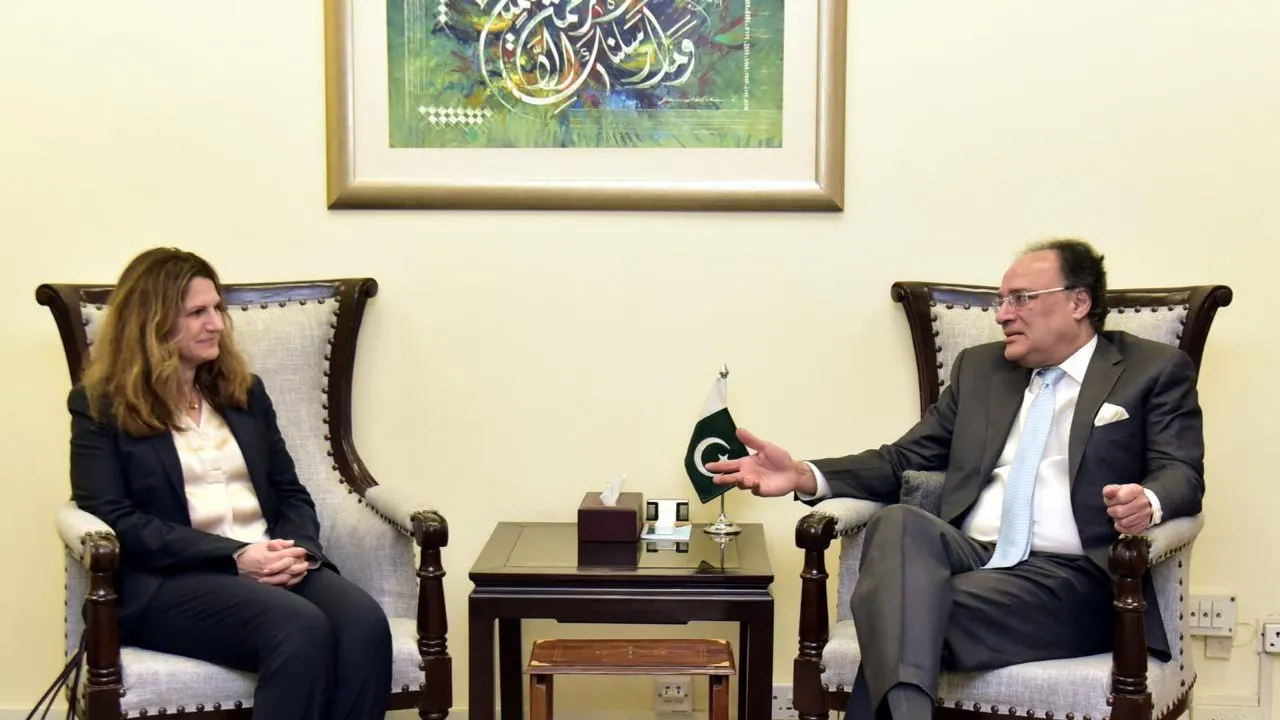
Azour also called on President Asif Ali Zardari at Aiwan-e-Sadr, where the president said Pakistan had moved from stabilisation towards recovery, The Express Tribune reported, citing the President’s Secretariat.
- Growth: the economy grew to $452.1 billion in 2025-26, with real GDP growth rising to 3.7 percent from 3.2 percent
- Deficit: the fiscal deficit fell to 2.6 percent of GDP, with a primary surplus for the third year in a row
- Reforms: the president pledged more revenue mobilisation, digital tax collection and action against tax evasion, saying the programme had the backing of all political stakeholders and the provinces
He also highlighted Pakistan’s efforts to promote peace amid the conflict in the Middle East. Azour stressed the need to sustain reforms, keep fiscal discipline and support sustainable growth. The IMF’s Pakistan mission chief Iva Petrova and resident representative Mahir Binici were also present.
The programme
Pakistan is in a $7 billion EFF and a $1.4 billion Resilience and Sustainability Facility. After a staff-level agreement this month, board approval would release about $1 billion under the EFF and about $210 million under the RSF, taking total disbursements to about $5.7 billion.
Why it matters
After years of austerity, the IMF itself is now saying that hitting deficit targets is not enough. That opens the door for Pakistan to argue for more spending on development and people, as long as tax reform delivers the revenue. Read our reports on Pakistan’s chairing of the World Bank and IMF boards and on the PM’s push for faster FBR reforms.
This article draws on reporting by Dawn and The Express Tribune.
Comments
Comments are reviewed by our editors before they appear. Please keep them civil and on topic. See our terms.
No comments yet. Be the first to share your view.