
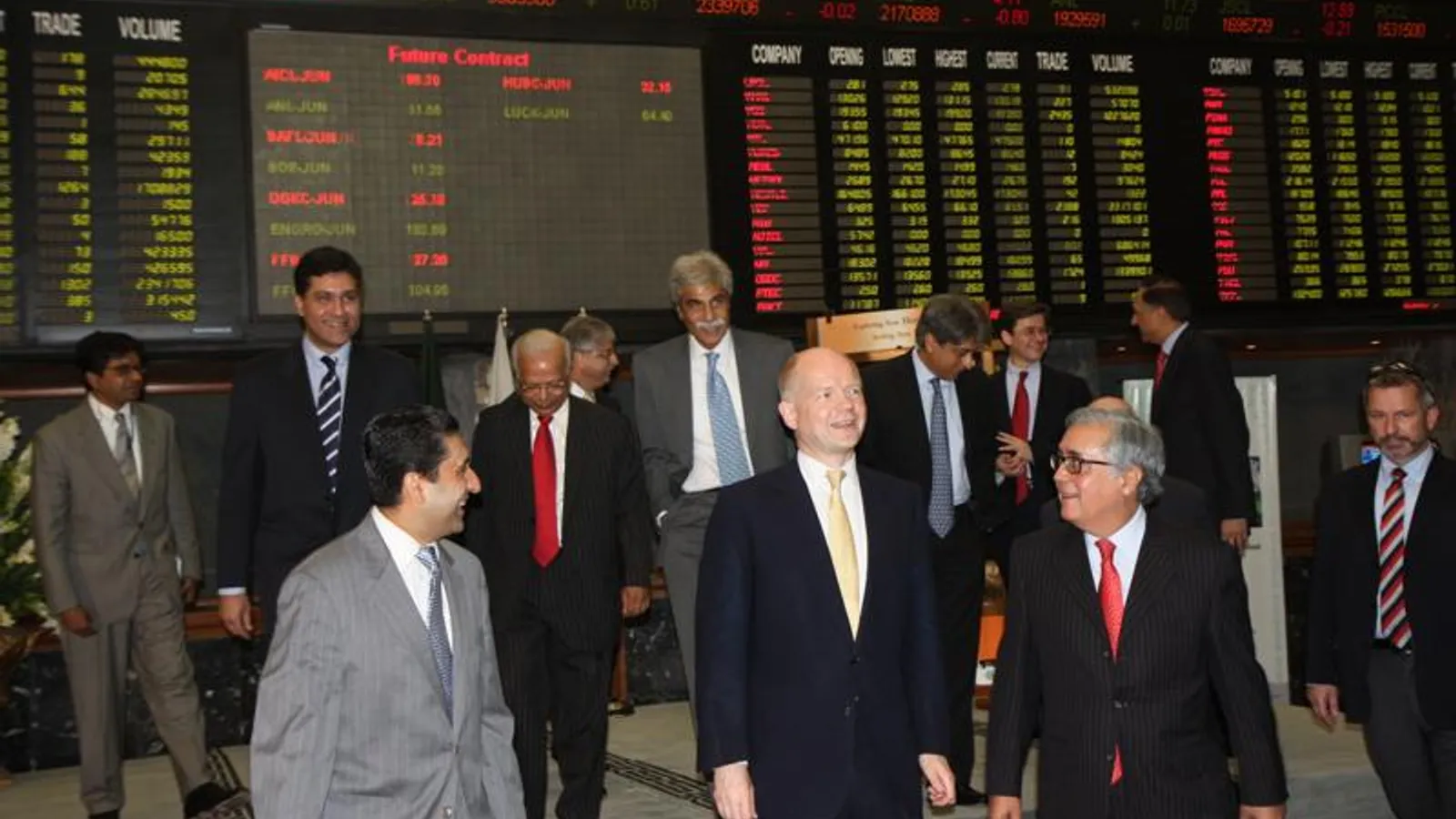
Pakistani shares rallied on Wednesday, with the benchmark KSE-100 index gaining more than 1,600 points as hopes for a successful review of Pakistan’s IMF programme lifted investors’ mood.
The index closed at 171,211.36, up 1,610.96 points, or 0.95 percent, from the previous close of 169,600.40, The Express Tribune reported.
How the day went
- Intraday high: 171,492.52
- Intraday low: 170,041.98
- Volume: 81.96 million shares
- Value traded: Rs5.97 billion
The market started strongly. By 9:38am, the index was already up 947.20 points, or 0.56 percent, and it stayed above the 170,000 mark for the rest of the day on broad buying.
A bounce after a slip
The rally reversed a fall in the previous session, when the index dropped 825.22 points, or 0.48 percent, to 169,600.41, slipping below 170,000 for the first time in seven sessions, Dawn reported.
“The PSX breached a key psychological level at 170,000 after a seven-session gap,” said Ali Najib, deputy head of trading at Arif Habib Ltd, at the time. That fall was driven by geopolitical tension and Brent crude at $107 a barrel, which raised worries about Pakistan’s import bill and inflation.
Why investors are watching the IMF
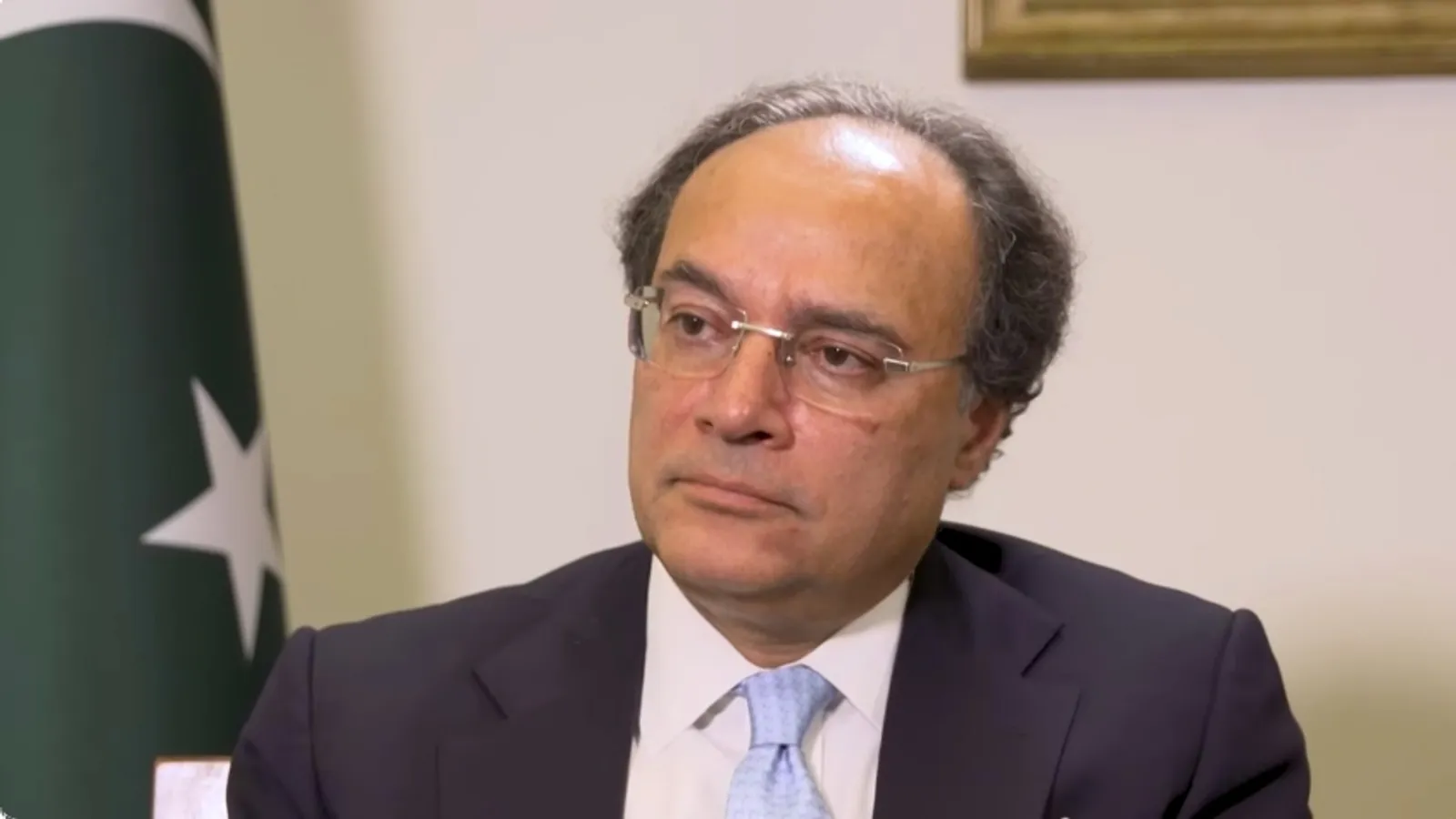
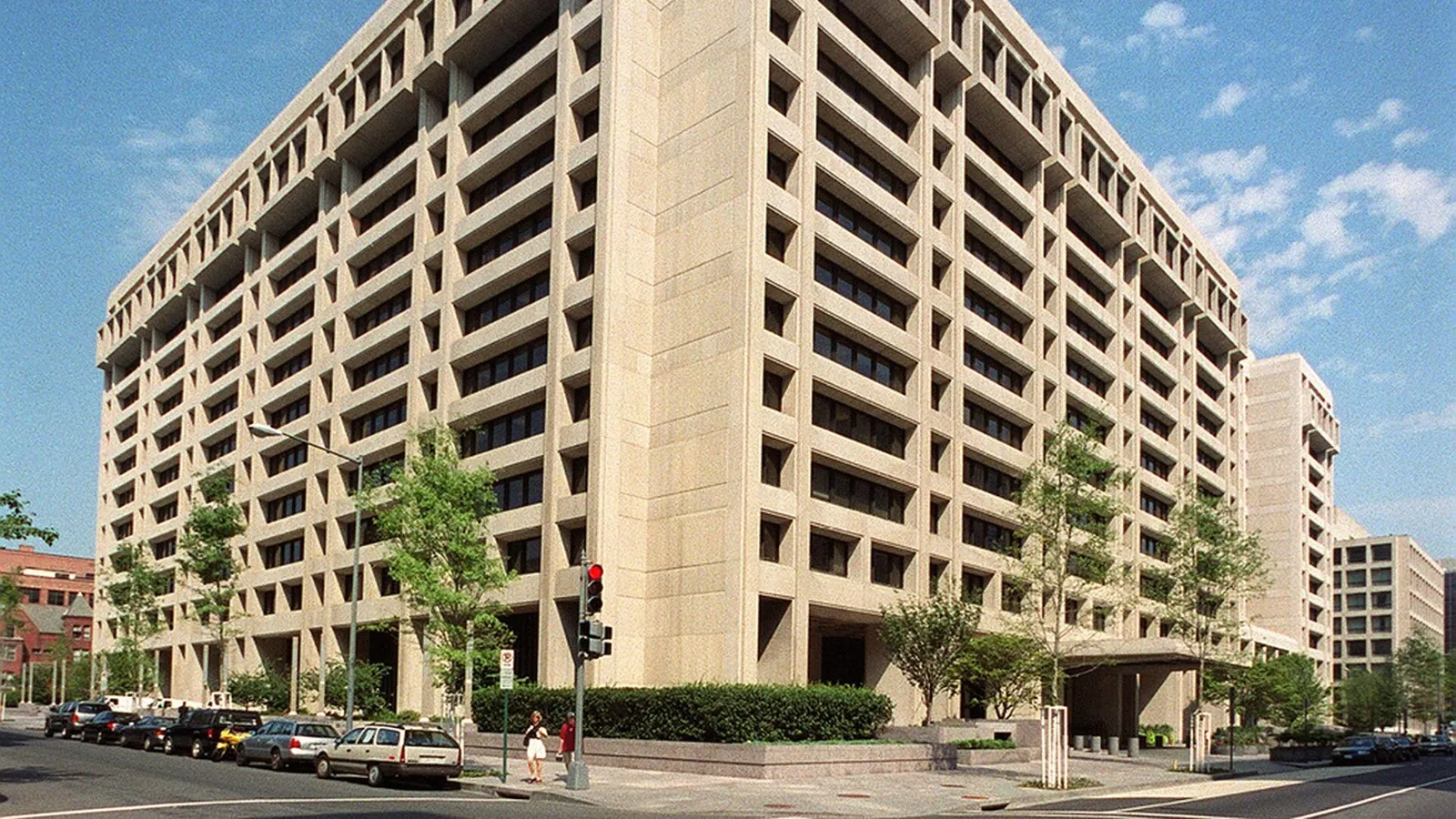
The IMF mission, led by Iva Petrova, began formal talks with Finance Minister Muhammad Aurangzeb on Tuesday. It is conducting the fourth review of Pakistan’s $7 billion Extended Fund Facility and the third review of its $1.4 billion Resilience and Sustainability Facility. A successful review could release about $1.2 billion by late October or early November: $1 billion under the main programme and $200 million under the climate facility.
Pakistan goes into the talks with praise from the top. IMF Managing Director Kristalina Georgieva told Prime Minister Shehbaz Sharif at the UN General Assembly that Pakistan’s reforms had preserved stability and restored market access. But Islamabad is still behind on some conditions, most importantly amendments to the Sovereign Wealth Fund law, which still need parliament’s approval. Investors are watching the talks closely for signs about Pakistan’s financing outlook.
Oil prices also moved on Wednesday after President Donald Trump denied that he was willing to ease sanctions on Iran, and as Qatar pushed for peace talks.
The debt backdrop
The rally came on the day the finance ministry released its borrowing plan, which showed how much Pakistan’s debt has grown:
- Public debt: Rs86.7 trillion at the end of June 2026, up 76 percent from Rs49.3 trillion in June 2022
- Domestic debt: Rs59.4 trillion
- External debt: Rs27.3 trillion
- New borrowing planned for FY27: Rs6.86 trillion
- Gross financing needs: Rs28.65 trillion, about 20 percent of GDP
The government says it will rely less on short-term treasury bills, raise more through longer-term Pakistan Investment Bonds and issue more than $2 billion in Eurobonds and sukuk abroad.
Why it matters
The stock market is a daily barometer of confidence in Pakistan’s economy. A strong session on IMF hopes shows how closely investors link the country’s prospects to the programme, especially with debt at record levels and oil prices unsettled by the war in the Gulf. Read more on the start of the IMF talks and on the PM’s meetings with global investors in London.
This article draws on reporting by The Express Tribune and Dawn.
Comments
Comments are reviewed by our editors before they appear. Please keep them civil and on topic. See our terms.
No comments yet. Be the first to share your view.