

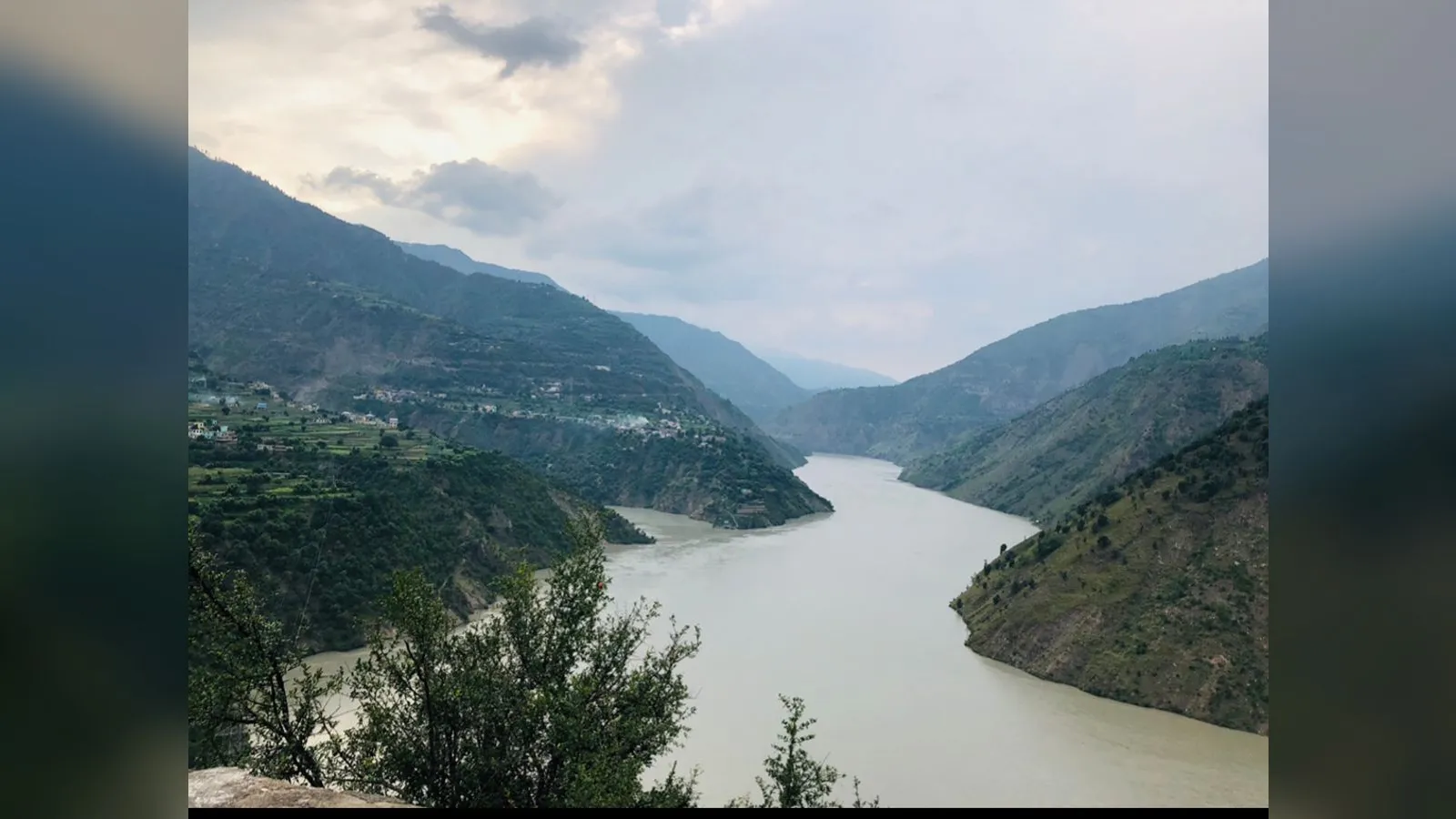
Pakistan will not allow India to use water as a weapon, Information Minister Attaullah Tarar said on Wednesday, warning that India’s move to put the Indus Waters Treaty on hold threatens how rivers shared between countries are governed around the world.
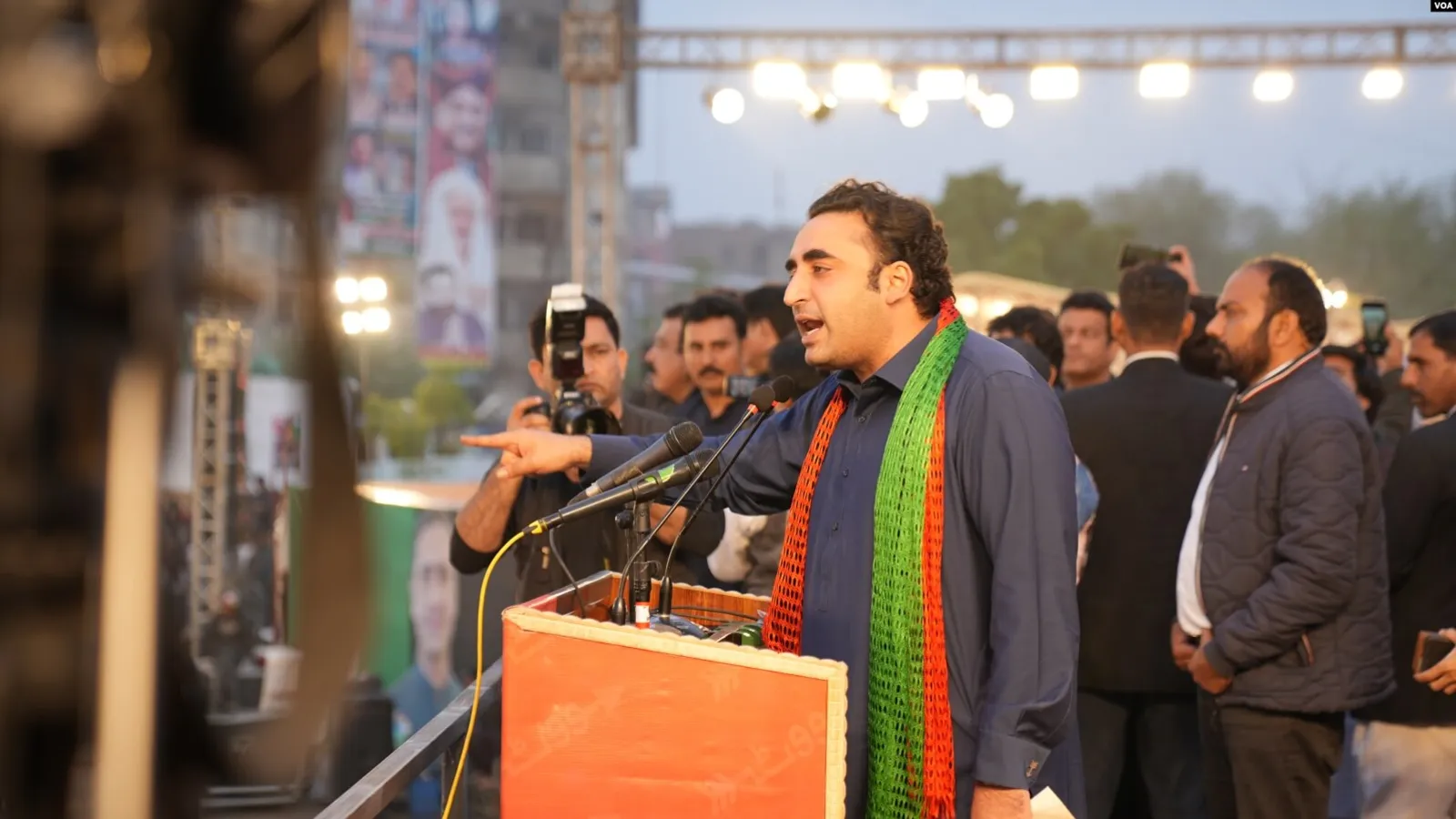
“We are a peaceful nation, but we cannot allow India to weaponise water because it is the basic right of the 240 million people of Pakistan,” Tarar said at a ceremony held by the Institute of Strategic Studies Islamabad (ISSI) to launch a report on the treaty, Dawn reported.
“Implications across the world”
Tarar argued that India’s action was not just a dispute between two neighbours but a danger to international law.
“If a state can unilaterally put a binding international water treaty in abeyance despite established dispute resolution mechanisms, the implications extend to transboundary water governance across the world,” he said.
How the crisis unfolded
- April 2025: India unilaterally declared the treaty “in abeyance”, citing alleged cross-border terrorism
- May 2025: A brief military conflict followed between the two countries
- August 31, 2026: The Permanent Court of Arbitration ruled that the treaty remains binding, upholding Pakistan’s position
- September 2026: Prime Minister Shehbaz Sharif told the UN General Assembly that diverting Pakistan’s water would be an “act of war”
This week, Deputy Prime Minister Ishaq Dar wrote a second letter to UN Secretary-General António Guterres, asking the Security Council to call on India to stop any action that could “stop, divert, restrict, manipulate or otherwise interfere with the flow of waters lawfully belonging to Pakistan”. It was his second letter on the issue, after an earlier one on June 17.
The letter recalls the position of Pakistan’s National Security Committee that “any attempt to stop or divert the flow of water lawfully belonging to Pakistan under the Treaty would be regarded as an act of war”.
What the treaty says
Under the 1960 treaty, the three eastern rivers, the Ravi, Beas and Sutlej, were allocated to India, while the three western rivers, the Indus, Jhelum and Chenab, were allocated to Pakistan. Pakistan’s farms, cities and power plants depend heavily on the western rivers.
The treaty was signed with the World Bank’s help and survived the wars of 1965 and 1971. That record is why India’s decision to set it aside has alarmed Pakistan so deeply, and why Islamabad argues that no single party can suspend it on its own.
In his letter to the UN, Dar also raised construction at India’s Ratle hydroelectric plant and alleged illegal diversion canals, and noted that the court has barred India from completing certain dam structures for 90 days after a neutral expert’s final decision, expected in July 2027. Dar warned that the water and food security of 250 million people in the Indus Basin was at stake, and again described Kashmir as the “core dispute” between the two countries.
Pakistan’s losses to terrorism
Tarar also rejected India’s use of terrorism as a justification. Pakistan, he noted, has itself suffered economic losses of more than $50 billion because of terrorism.
Why it matters
The Indus system is Pakistan’s lifeline. By linking India’s action to the future of shared rivers everywhere, Islamabad is widening its case beyond South Asia, and presenting India’s position as a threat to a rules-based system that many countries rely on. Read our report on Pakistan’s letter to the UN over the treaty.
This article draws on reporting by Dawn and The Express Tribune.

Comments
Comments are reviewed by our editors before they appear. Please keep them civil and on topic. See our terms.
No comments yet. Be the first to share your view.