

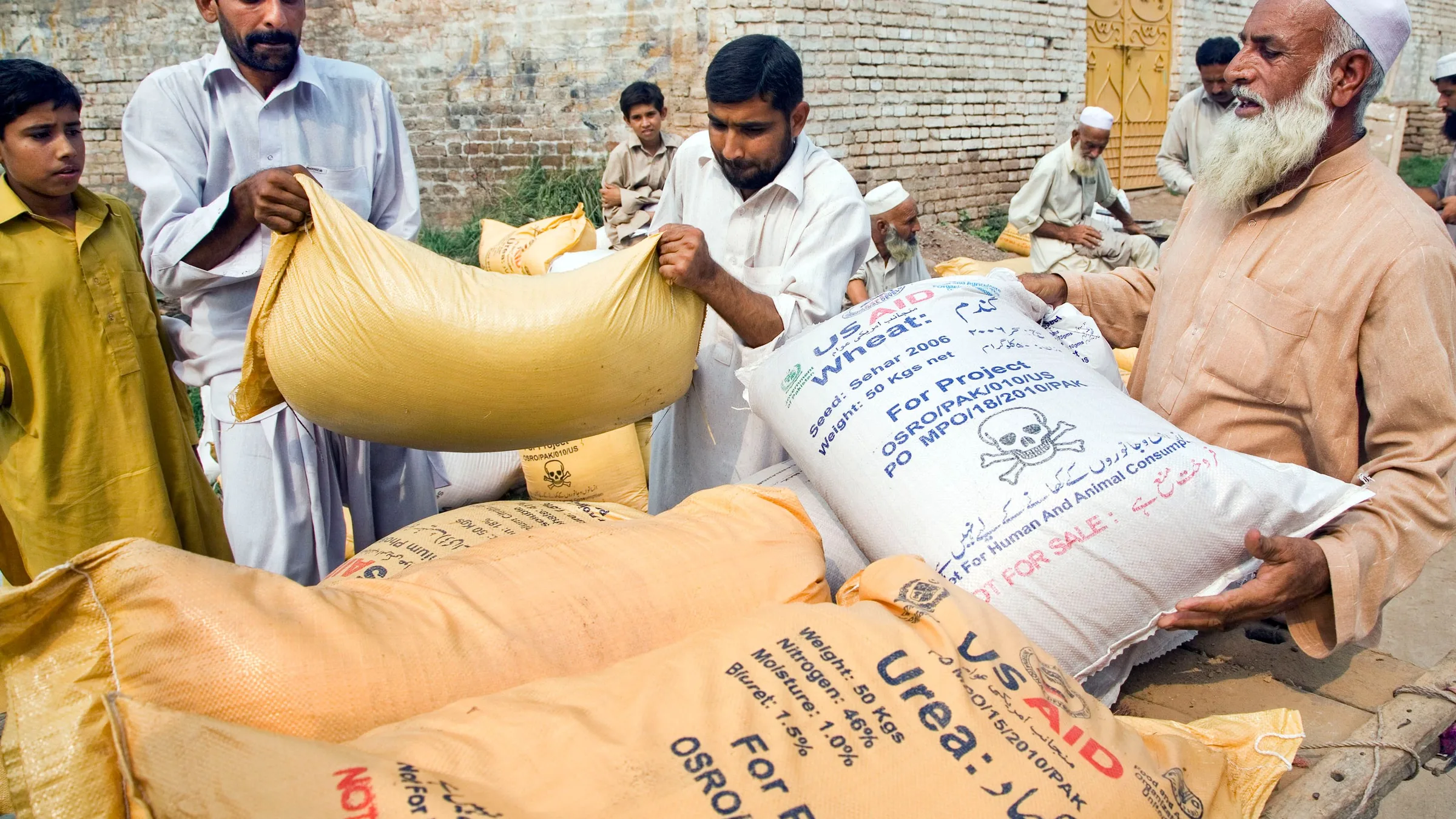
Prime Minister Shehbaz Sharif on Friday set the illustrative price for wheat at Rs4,500 per maund for 2027, raising the procurement price set last year by Rs1,000, Dawn reported, citing a statement from the Prime Minister’s Office (PMO).
“In view of the increase in production costs, the price had been raised by Rs1,000 per maund compared to last year,” the PMO said.
What the prime minister said
The statement said the decision was taken with the guidance of President Asif Ali Zardari and PML-N President Nawaz Sharif, and in consultation with the chief ministers of Punjab and Sindh. It said the aim was to promote the agriculture sector, protect farmers’ economic interests and increase wheat production next year.
The government’s objective, the prime minister said, was to relieve farmers under pressure from rising production and fuel costs and from inflation. “Providing farmers with an incentive to cultivate wheat is among the key objectives of the decision,” he said, hoping the new price would help farmers cover costs and earn a profit.
“Over the past years, farmers have faced financial difficulties due to inflation and rising agricultural expenses while Pakistan has also had to import wheat in the last two years,” he said. He called the step “an important milestone” for efforts to strengthen food security, encourage local production and bring stability to the agricultural economy. The government expects the price to generate greater interest in wheat, leading to ample sowing in the coming season and higher national production, the statement said.
The prime minister thanked Punjab Chief Minister Maryam Nawaz and Sindh Chief Minister Murad Ali Shah for their cooperation in the consultation.
Below what farmers wanted
Dawn noted that Rs4,500 is still Rs500 less than the price farmers demanded. Last month the Pakistan Kissan Ittehad called for a support price of Rs5,000 per 40kg for wheat and warned that farmers might not sow the crop next season if the government delayed announcing its crop policies. The association said farmers could not afford balanced fertiliser use because they were not recovering their production costs.
The flour context
The announcement comes as flour prices have risen sharply. Short-term inflation data released on Friday show wheat flour up 36.49 per cent on a year earlier. Read our reports on flour prices rising again and on Sindh’s release of wheat at Rs12,500.
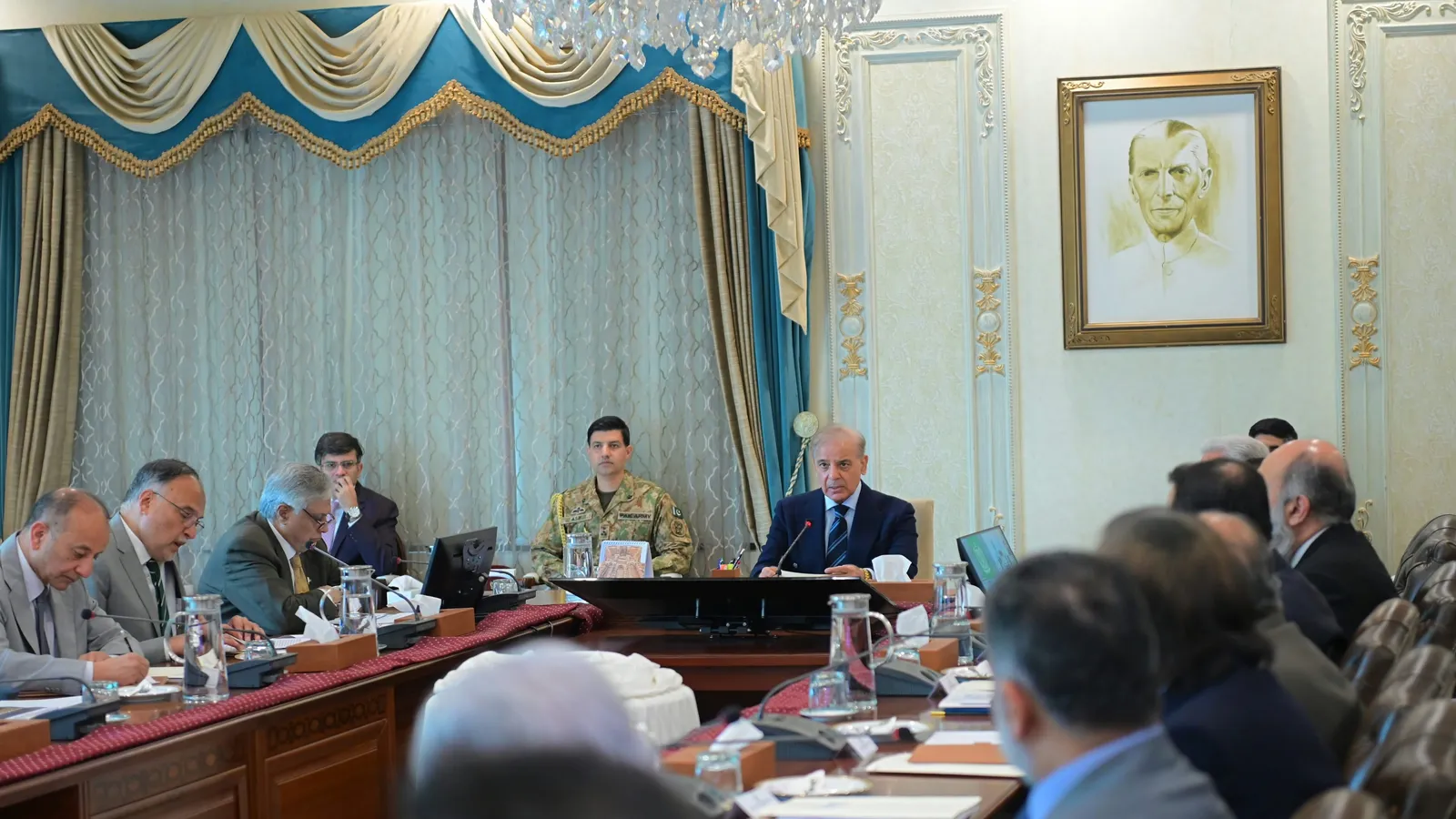
In early October, Sindh Chief Minister Murad Ali Shah approved the release of government wheat at Rs12,500 per 100kg bag from October 15 to stabilise flour prices and ensure availability in the province. On October 13, Prime Minister Shehbaz chaired the first National Agricultural and Food Security Council meeting, and reaffirmed that the government wanted farmers to get a fair price for wheat and consumers affordable wheat. He said then that wheat was available in abundant quantities to meet domestic needs and promised no leniency for hoarders.
Why it matters
The price is a signal to growers ahead of sowing: a higher figure gives them a reason to plant, which the prime minister links to food security and to ending wheat imports. But the Rs500 gap with the farmers’ demand leaves room for disagreement, and farmers’ groups have already warned they might reduce sowing if they do not recover costs. At the same time, a higher support price may add to flour prices next year if it feeds through to the retail market. The coming weeks will show whether farmers accept the figure, and how much wheat is sown.
This article draws on reporting by Dawn.


Comments
Comments are reviewed by our editors before they appear. Please keep them civil and on topic. See our terms.
No comments yet. Be the first to share your view.