
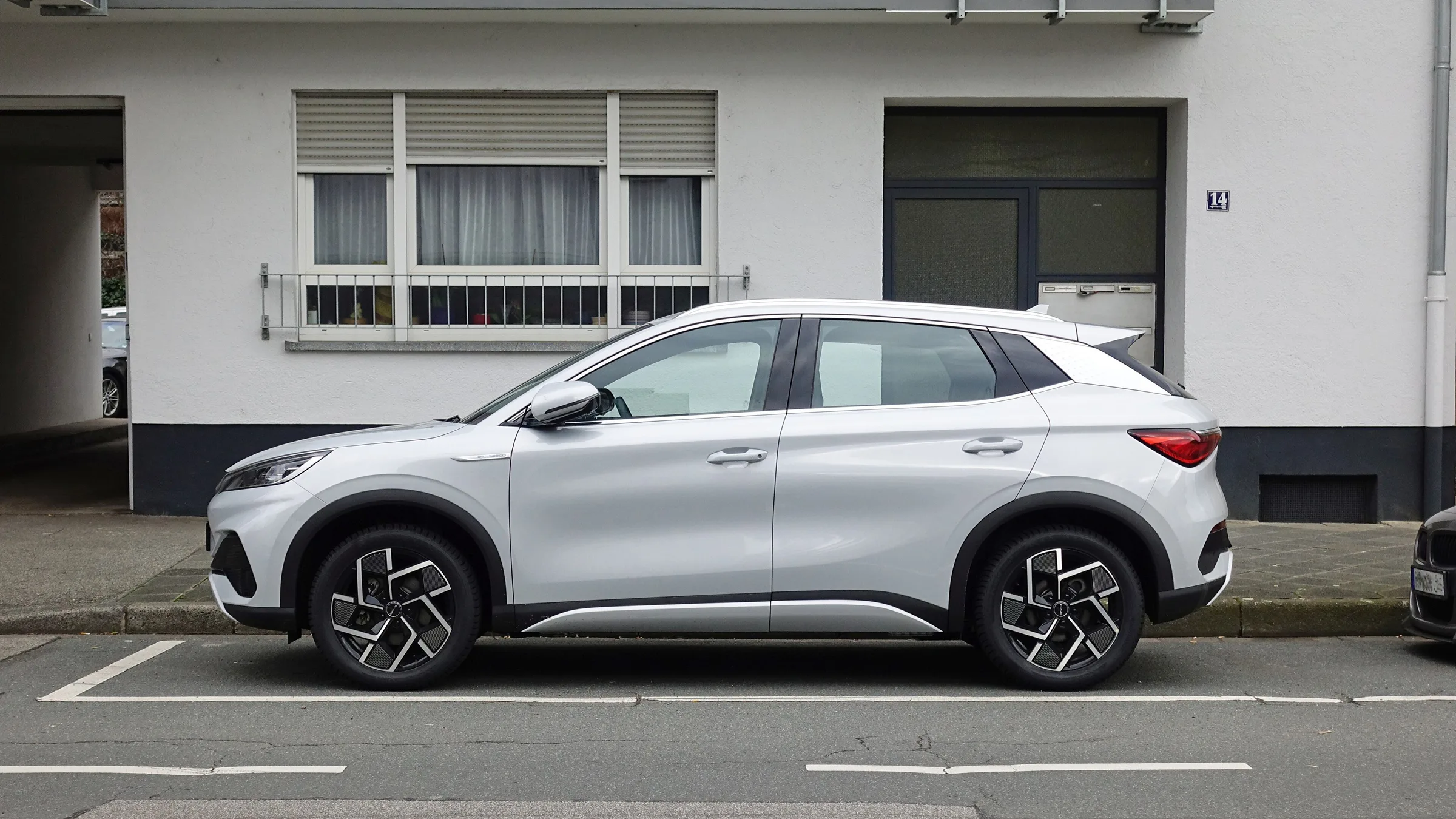
Prime Minister Shehbaz Sharif has approved cutting the sales tax on battery electric vehicles (BEVs) to just 1% and sharply reducing import taxes under a new five-year auto policy, a move expected to lower the prices of both conventional and electric cars, The Express Tribune reported.
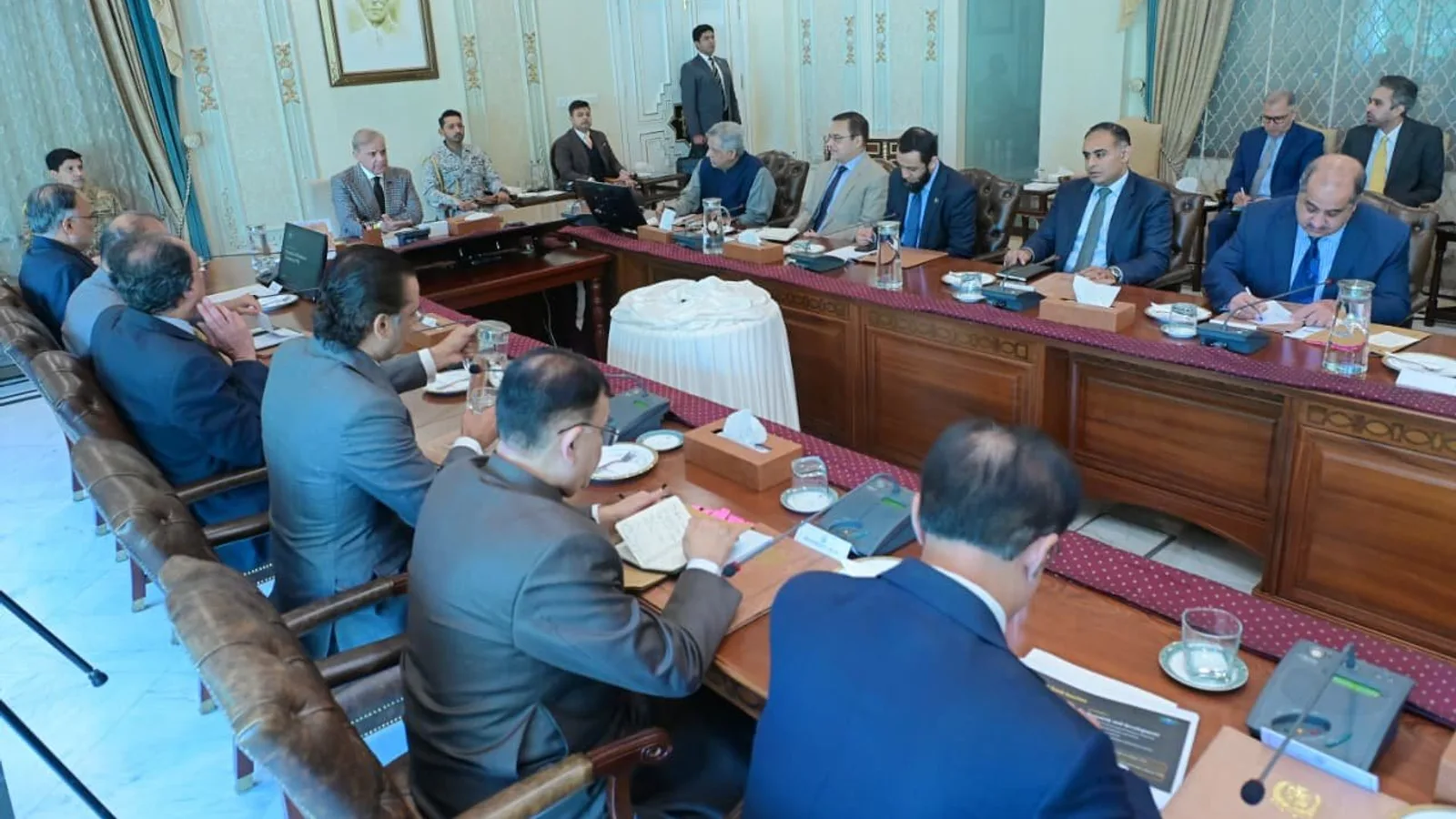
After months of discussions, the prime minister on Tuesday approved the final draft of the Automotive and Auto Parts Policy 2026-31. It will now go to the International Monetary Fund (IMF) for approval before the federal cabinet considers it. After that, the government will present a bill in parliament to bring the new tax rates into force.
The final draft was presented to the prime minister after being endorsed by a committee led by the law minister.
Lower taxes on electric cars
The policy divides new energy vehicles (NEVs) into three groups. Subject to IMF approval, sales tax would be:
- Battery electric vehicles: 1%
- Range-extended electric vehicles: 6%
- Plug-in hybrids: 9%
The rates apply to both locally assembled and imported vehicles. Conventional hybrids will be treated the same as petrol and diesel cars for duties and taxes.
For small electric vehicles worth less than $15,000, about Rs4.2 million, the import tariff will be cut to 5% for the first two years of the policy.
The prime minister also endorsed raising the credit limit for NEV financing from Rs3 million to Rs10 million, with the repayment period extended from three to five years.
A levy on petrol and diesel cars
At the same time, the prime minister approved a levy of 2% to 10% on internal combustion engine (ICE) vehicles. It is expected to raise about Rs232 billion over five years and is meant to push car assemblers to increase exports.
Petrol and diesel cars above 2,000cc and NEVs worth more than $75,000 will pay higher federal excise duty to discourage their use. By 2031, customs duty on all ICE cars and SUVs will be 15%, with no additional or regulatory duty.
What it could mean for prices
The draft projects these first-year changes:
| Model | Current price | Projected price |
|---|---|---|
| Suzuki Alto | Rs3.2 million | Rs2.845 million |
| Wuling Bingo (BEV) | Rs4 million | Rs2.7 million |
| Suzuki Cultus | Rs4.3 million | Rs3.8 million |
| BEV comparable to the Cultus | Rs5.3 million | Rs3.6 million |
| Toyota Yaris 1496cc | Rs6 million | Rs5.3 million |
| Baojun Yep Pulse (BEV) | Rs6.3 million | Rs5 million |
| Kia Sportage | Rs12.2 million | Rs11.1 million |
| Haval AWD PHEV | Rs12.9 million | Rs11.1 million |
| MG HS (petrol) | Rs9.5 million | Rs9.2 million |
| MG HS PHEV | Rs10.3 million | Rs9 million |
| Toyota Fortuner | Rs20.5 million | Rs21.7 million |
| Toyota RAV PHEV | Rs23.3 million | Rs18.3 million |
The Fortuner is the one model projected to get more expensive, because of a new 5% federal excise duty and the 10% ICE levy. Prices are expected to fall further as customs duty cuts take effect over the five years.
The changes will only take effect once the IMF and the cabinet sign off and parliament passes the bill. Car sales have already jumped 43pc in the first quarter even as uncertainty over the policy held back investment.
Comments
Comments are reviewed by our editors before they appear. Please keep them civil and on topic. See our terms.
No comments yet. Be the first to share your view.