

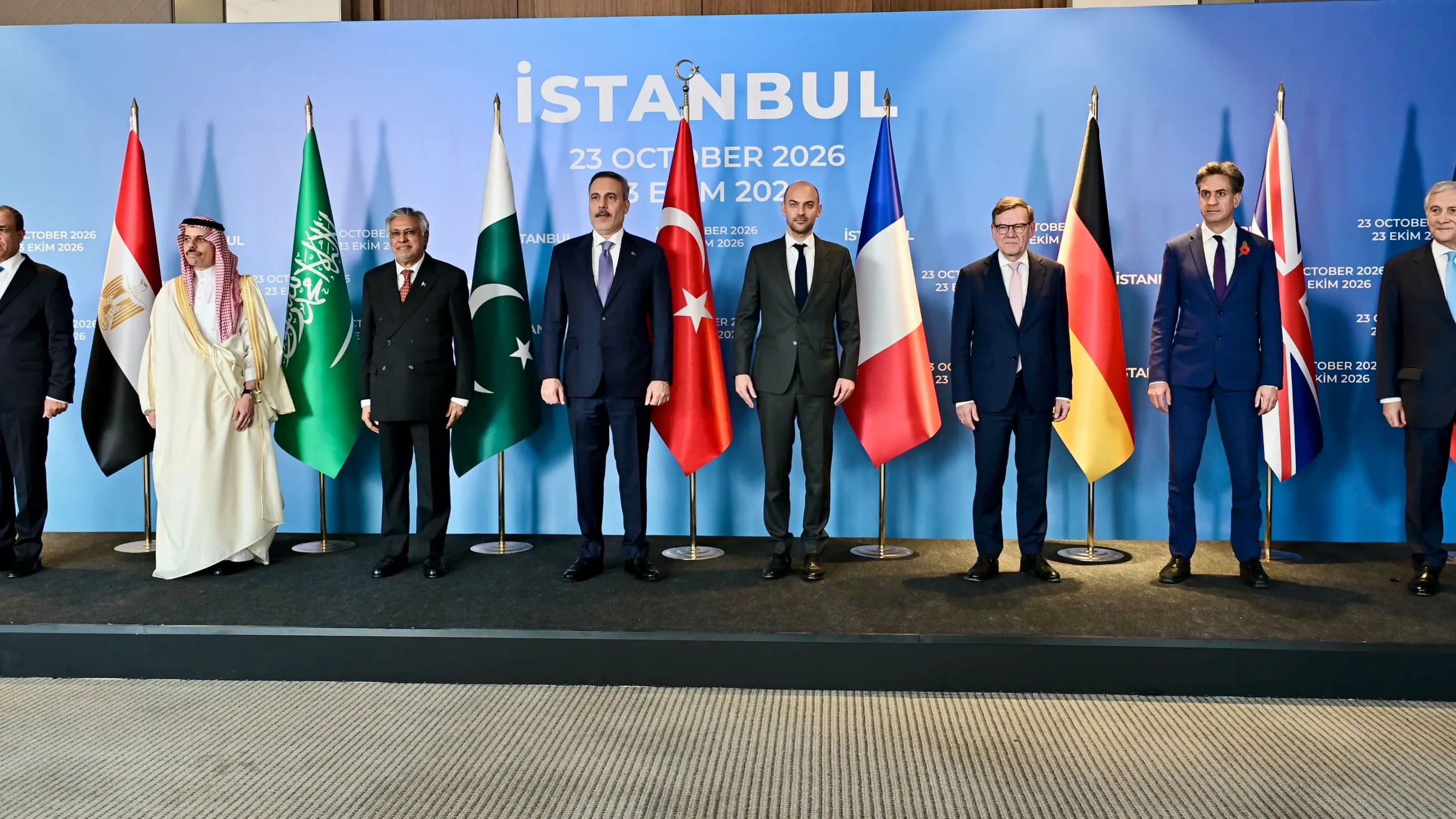
Foreign ministers of Pakistan, Egypt, Saudi Arabia and Turkey, known as the R4, met their counterparts from France, Germany, Italy and the United Kingdom in Istanbul on Friday and agreed to continue engaging in the same format, the Foreign Office (FO) said, according to Dawn.
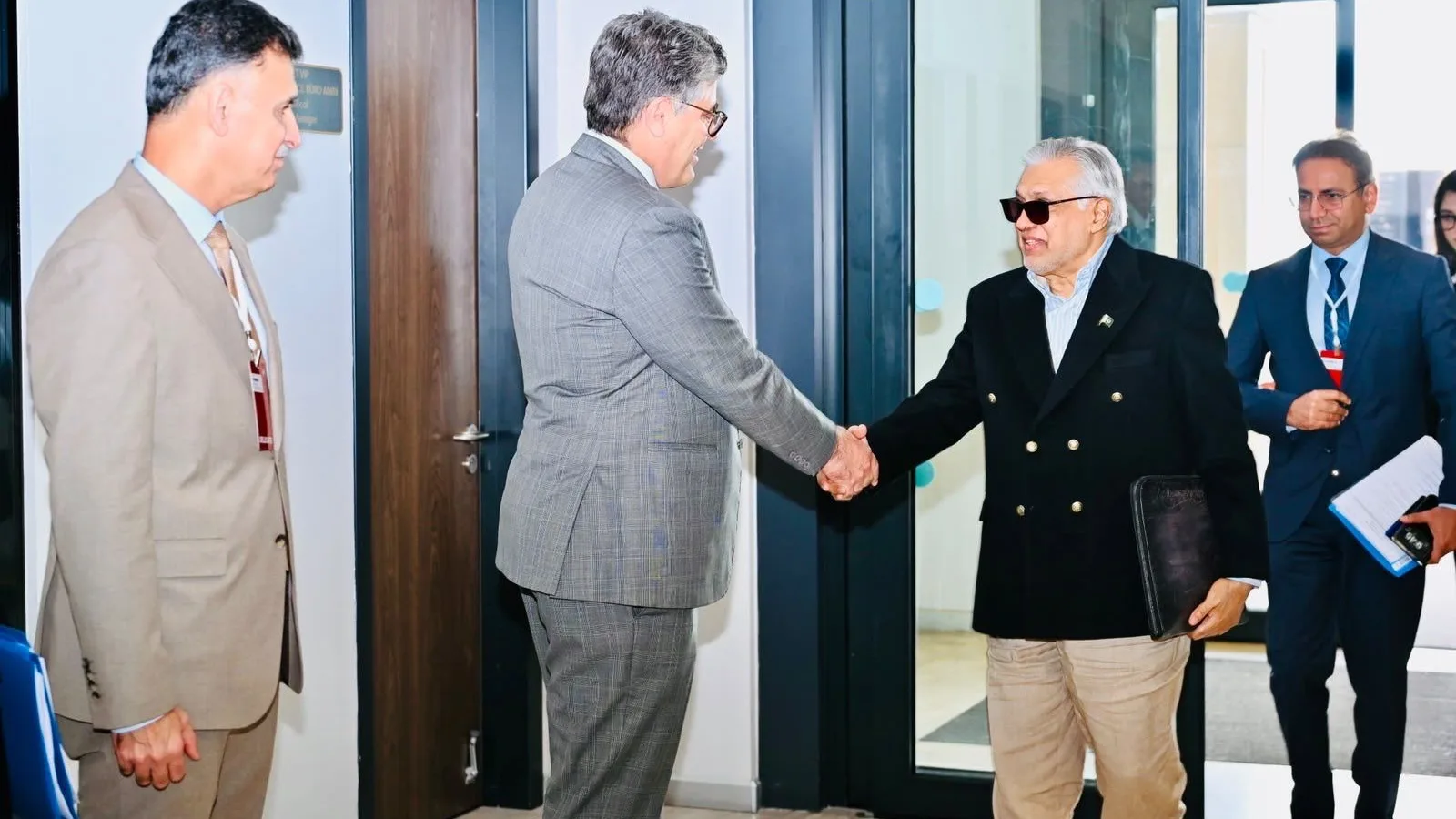
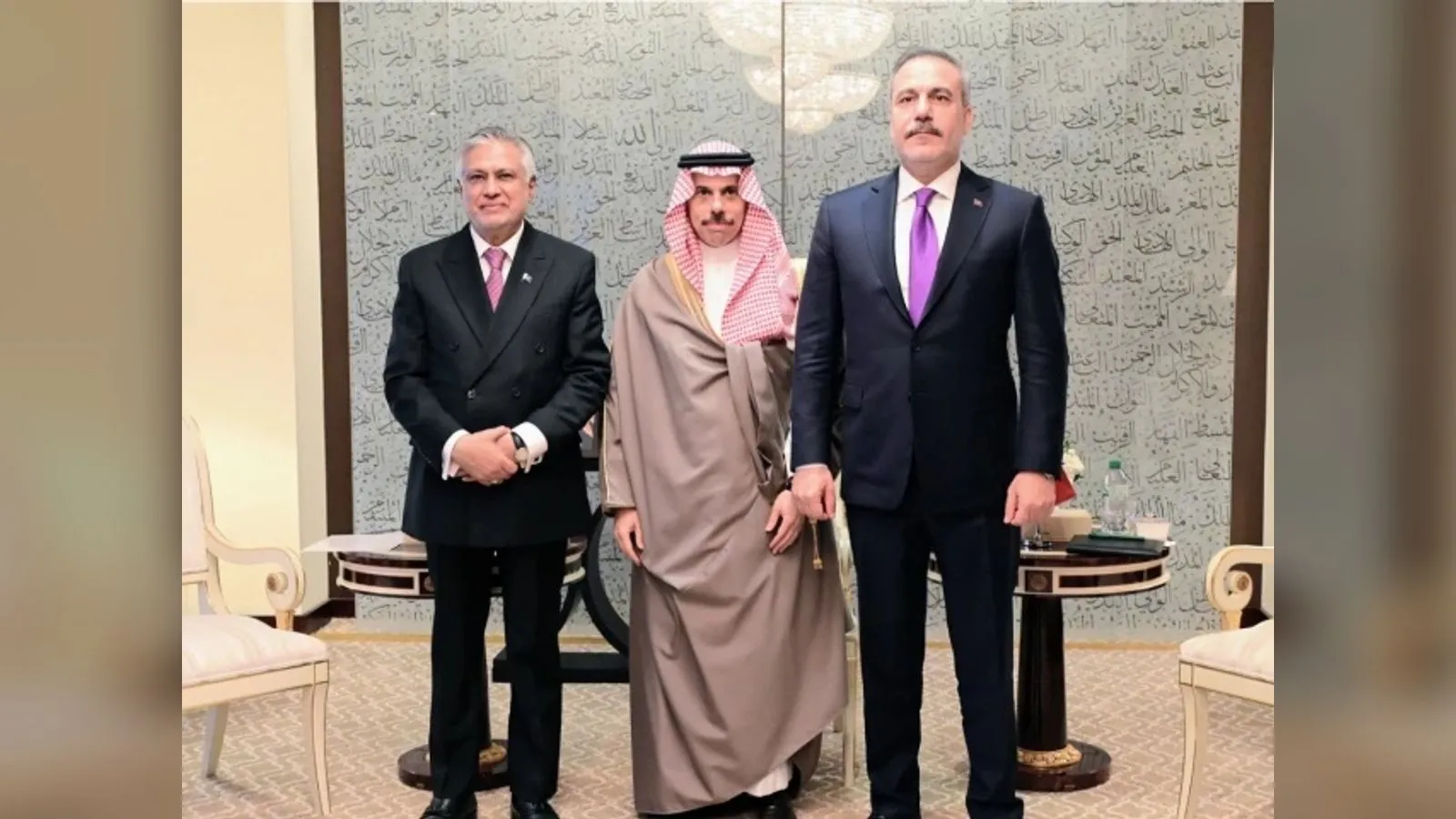
The R4 group emerged in March and has focused on regional security and on mediation between the United States and Iran. Deputy Prime Minister and Foreign Minister Ishaq Dar attended at the invitation of Turkish Foreign Minister Hakan Fidan. Read our earlier report on Dar’s arrival in Istanbul.
The joint meeting
The FO said the meeting allowed an exchange of views on developments in the Gulf region, their social and economic effects, and “the urgent need to foster diplomatic engagement to resolve regional challenges of peace, security and stability”.
“Dar briefed his counterparts on the diplomatic and mediatory role Pakistan continues to play in de-escalating tensions, preventing resumption of hostilities and promoting peace. All ministers agreed for continued engagement in this format,” the FO said.
Before the meeting, the British foreign secretary’s office said talks would revolve around “the Strait of Hormuz and the situation in Saudi Arabia”, and that Ed Miliband would argue for a diplomatic solution to the Hormuz crisis that “restores full navigational rights and freedoms”. It said he would also stress how “Iranian tactics are being replicated across the region”, with attacks on Saudi Arabia adding pressure on waterways such as the Bab el-Mandeb and the Suez Canal. France called the talks a first “in this format… against a backdrop of extreme instability and uncertainty in the region” and said they aimed to strengthen coordination between Europeans and Middle Eastern countries “in the face of crises that we did not choose and that affect us all”.
The R4 on its own
The R4 ministers also held their sixth meeting separately, reviewing developments since their last meeting in New York in September, with a focus on the Middle East and related security challenges, the FO said. They expressed solidarity with Saudi Arabia, reaffirmed support for its sovereignty and territorial integrity, and condemned the Houthi attacks targeting the kingdom, stressing respect for state sovereignty. They also discussed ways to strengthen regional coordination and push diplomatic efforts for lasting peace.
Dar’s other meetings
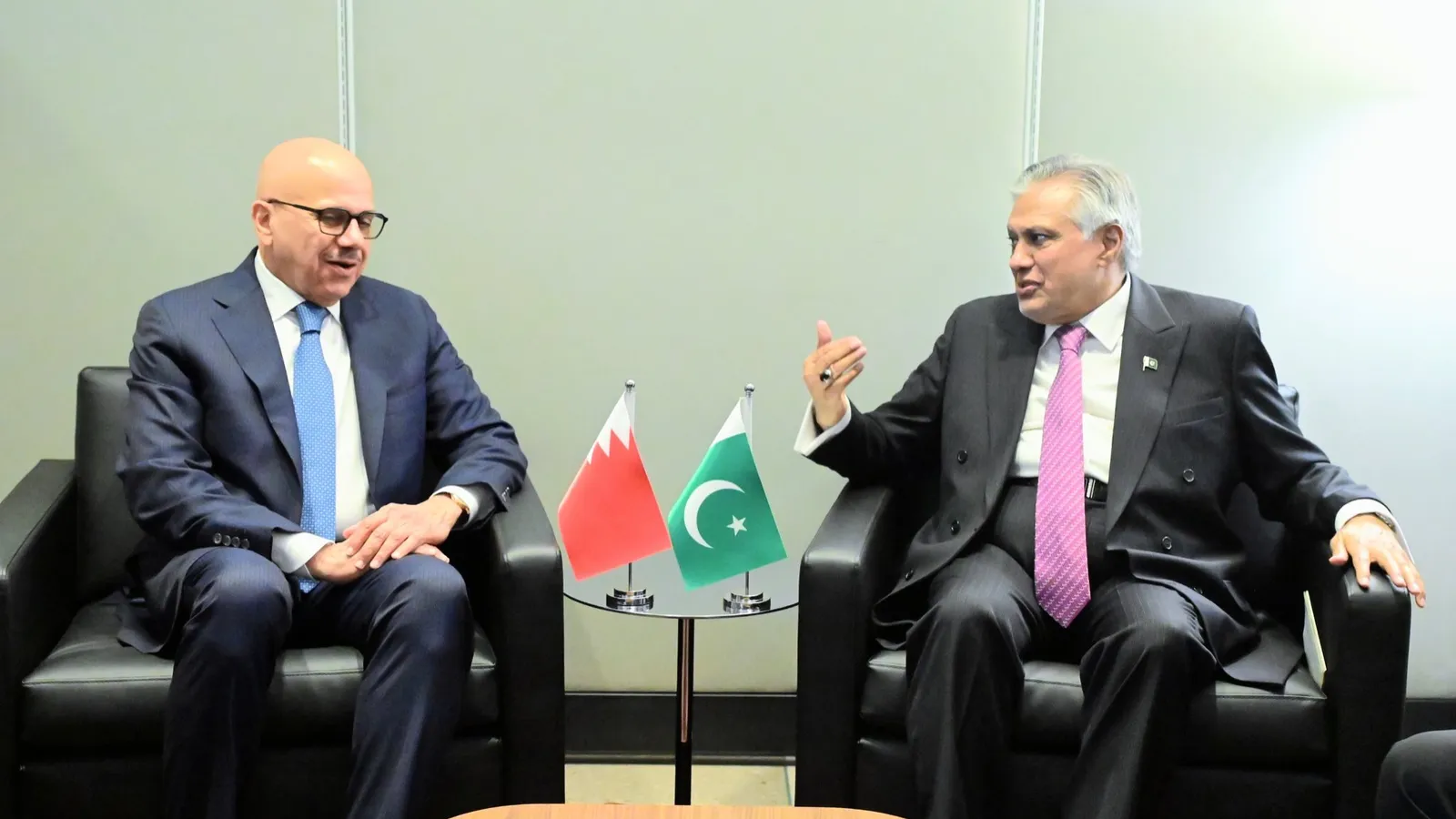
On the sidelines, Dar held bilateral talks:
- With Fidan: the two discussed bilateral relations, regional developments, the Middle East and Palestine. They expressed concern over threats to regional stability and “strongly” condemned the Houthi attacks on Saudi Arabia, reaffirming close coordination including under the Makkah Defence Agreement. Read our report on Turkey’s plan for personnel in Saudi Arabia.
- With Egypt’s Badr Abdelatty: they discussed Palestine and the Middle East and the importance of “sustained dialogue and diplomacy”. They agreed to give “greater momentum” to cooperation in trade, business links, agriculture, pharmaceuticals, connectivity, renewable energy, defence and people-to-people exchanges.
- With Germany’s Johann Wadephul: the two discussed bilateral relations and regional and international developments, and stressed dialogue, diplomacy and sustained international engagement. Dar welcomed the “constructive engagement” of Germany, France, Italy and Britain with the R4 framework and the value of continued consultations.
What came before
A Turkish diplomatic source told Reuters that the meeting was held at Turkey’s initiative as wars involving Iran, Yemen and Ukraine threaten shipping routes and regional security. The agenda was expected to include the Israeli-Palestinian issue, Hormuz, Yemen and efforts to end the Russia-Ukraine war. The Makkah defence pact, signed on August 7 by Pakistan, Turkey and Saudi Arabia, treats an attack on one signatory as an attack on all.
Why it matters
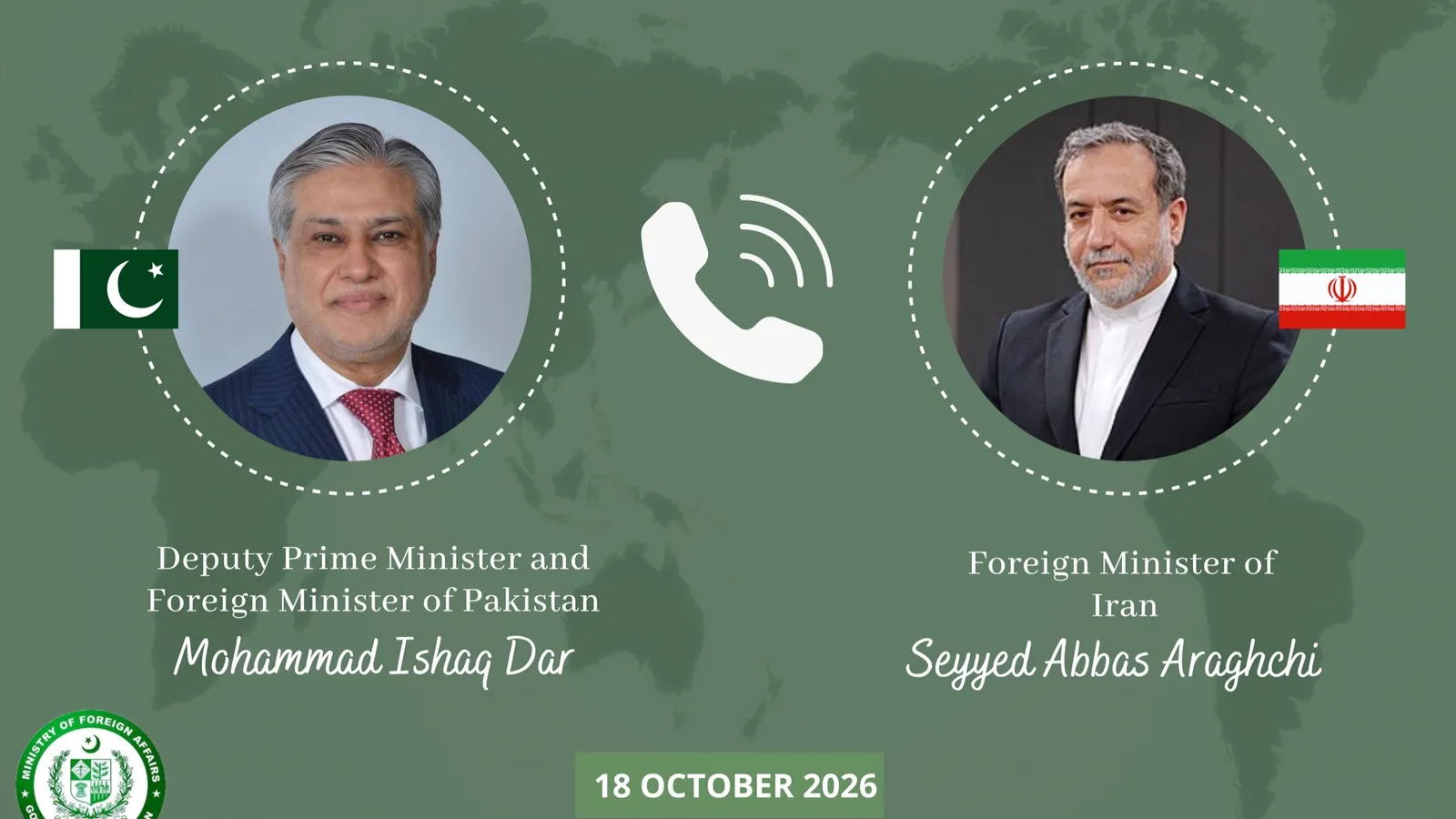
The statement shows that the R4 and the four European countries chose to keep talking, rather than leave Istanbul with only a list of concerns, and that Pakistan used the meeting to present its mediation role to key European capitals. The FO’s account does not describe any new joint plan for Hormuz or Yemen, so the next meeting in this format will show whether the dialogue turns into joint diplomatic action. Read our report on Iran’s account of the talks it says continue through Pakistan and Qatar.
This article draws on reporting by Dawn and the Foreign Office statement.
Comments
Comments are reviewed by our editors before they appear. Please keep them civil and on topic. See our terms.
No comments yet. Be the first to share your view.